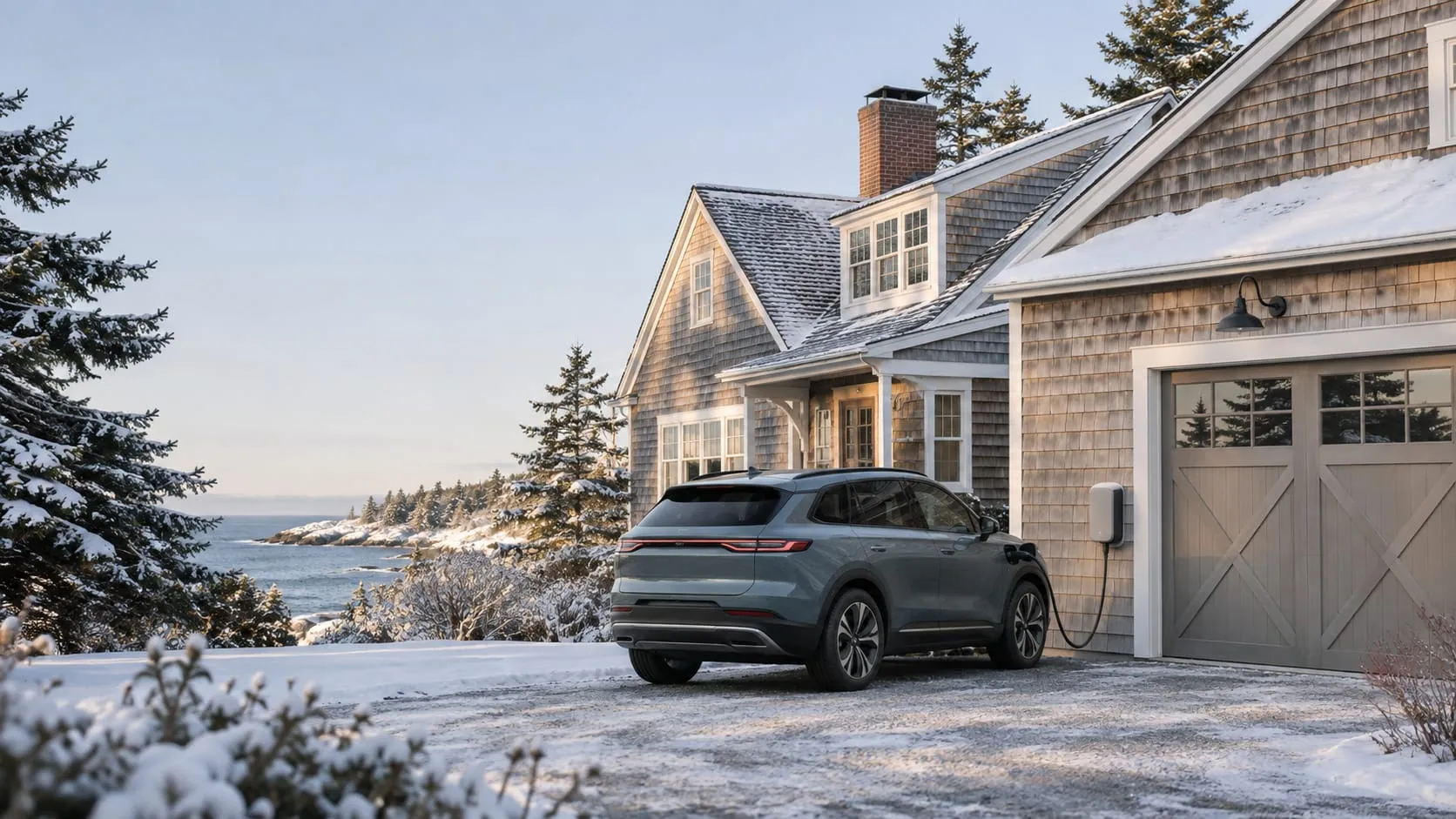
 Illustrative scene
Home EV charger rebates in Maine
This page contains affiliate links. If you buy through them we may earn a commission, at no cost to you. As an Amazon Associate, GroveVolt earns from qualifying purchases. Learn more
The short answer
We found 1 home-charger rebate or incentive program listed for Maine on official state and utility pages (checked November 2026) — the table below quotes each one and links to it. Home electricity averages 32.1¢/kWh here (U.S. average 18.2¢ · August 2026). Winters are cold, so favor a charger whose maker rates it for −22 °F or lower — ideally an outdoor-rated, hardwired model. Installation is a job for a licensed electrician, who also handles any permit.
Facts checked November 2026 from official and government sources. Figures change — the linked source is the authority.
Rebates and incentives in Maine
| Program | What it offers (as stated) | Status |
|---|---|---|
| StateEfficiency Maine Off-Peak Charger Incentives | Save $400: $200 instant discount + $200 Set-Up Completion Bonus$200 instant discount on an off-peak Level 2 charger plus $200 Set-Up Completion Bonus check; charger pauses charging 5-9 p.m. weekdays. | Open |
Checked November 2026; amounts and eligibility are as each program page stated them. Programs open, close and run out of funds — always confirm on the official page (linked) before you buy or install. Many rebates require buying a specific type of charger (for example ENERGY STAR or networked) and applying within a set time.
Federal: The federal 30C tax credit for home charging equipment covers only property placed in service from January 1, 2023 to June 30, 2026, per the IRS — a charger installed after that date does not qualify. Ask a tax professional about earlier installs. IRS: 30C credit.
Rules for EV owners in Maine
- Condominium and residential association EV charger law (33 M.R.S. 576-A) — Beginning January 1, 2026, condo declaration/bylaw provisions that prohibit or unreasonably restrict EV charging stations in unit or limited common element parking spaces are void and unenforceable; owners apply to the executive board.
Summaries checked November 2026; the linked page (often the U.S. DOE Alternative Fuels Data Center, which cites the statute) is the authority.
EV and time-of-use electricity rates
- Versant Power — Home Eco Rate (Bangor Hydro District): Time-of-use rate available for EV charging and/or battery storage; Bonus Meter version for separately metered EV charging.
Which charger fits Maine
Home electricity in Maine costs about 77% more than the U.S. average, so an off-peak EV or time-of-use rate (where your utility offers one) and a charger that can schedule charging are worth more here.
January nights in Maine average 5.7 °F, so check the maker’s rated operating temperature: several chargers we cover are rated to −22 °F, and a few to −40 °F.
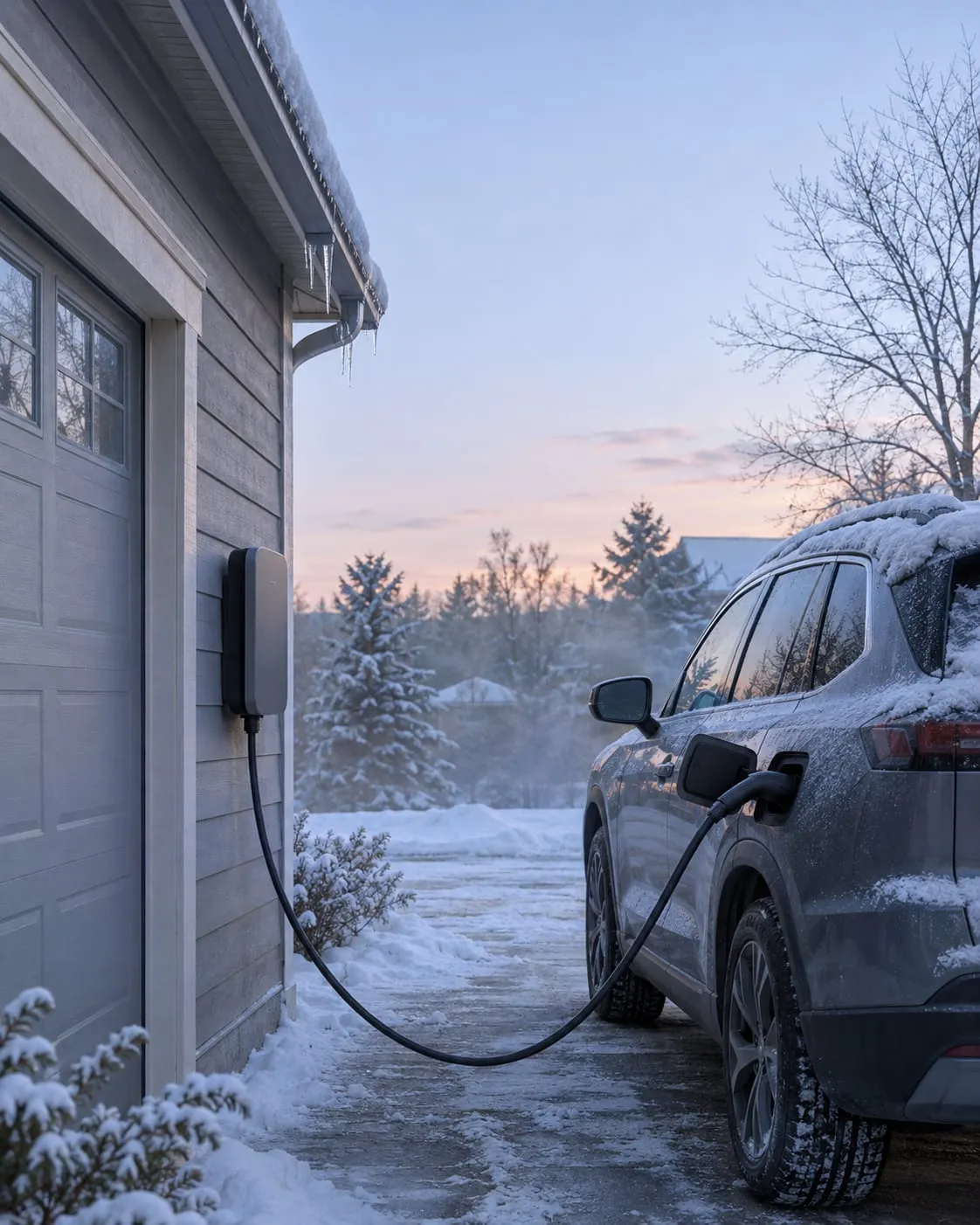 Illustrative scene
MaxiCharger AC Elite Home
A 40 A plug-in or 50 A hardwired smart charger with a NEMA 4 enclosure and the widest temperature rating here (−40 to 131 °F).
Good fits here
Chosen for Maine’s climate, electricity rates and rebate rules — from manufacturer specs, not hands-on tests.
Illustrative sceneMaxiCharger AC Elite Home↗
●●○ Mid-rangeMax power in very cold or hot climates
See on AmazonSpecs & who it’s for →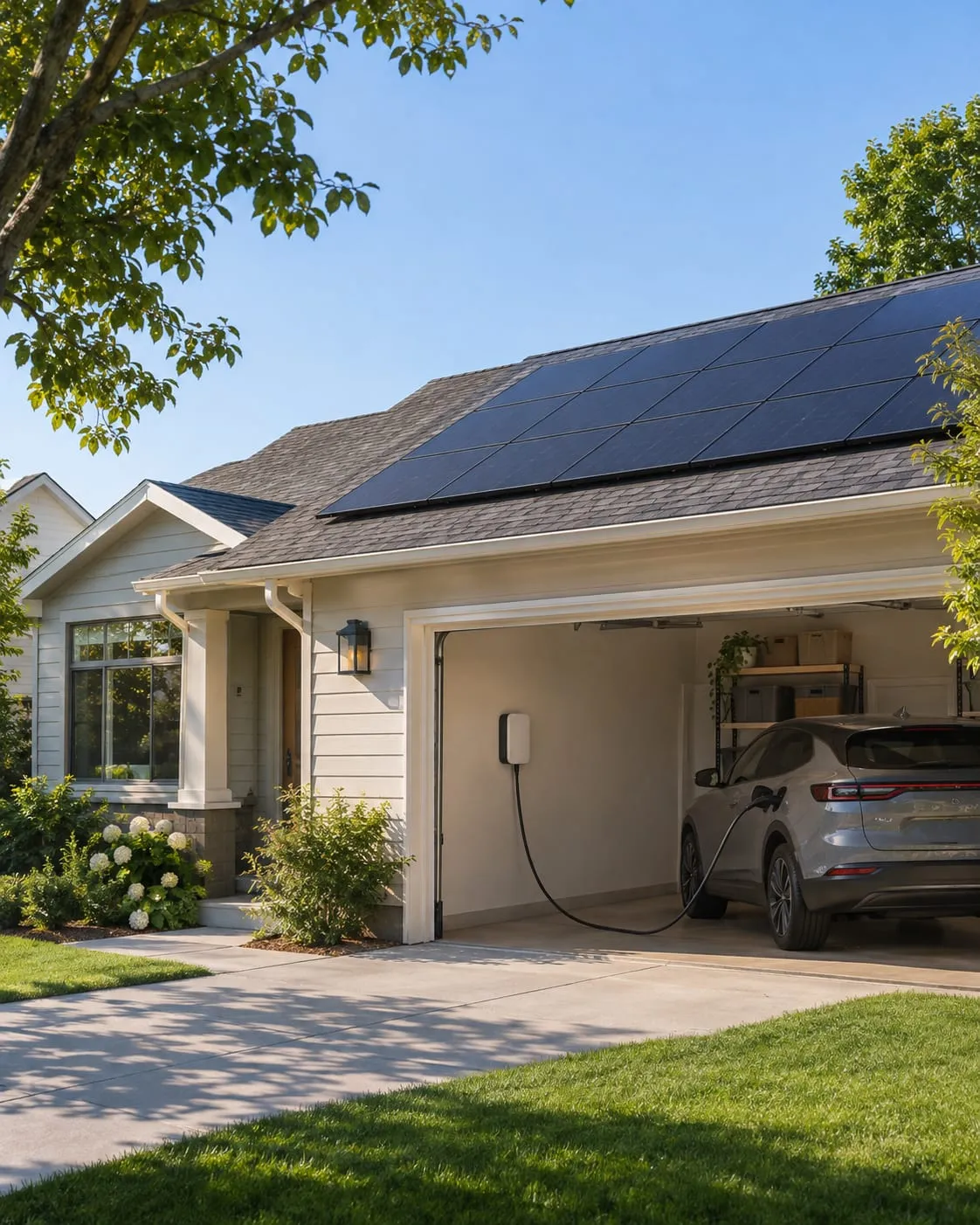
 Illustrative scene
Pro EV Charger↗
●●● PremiumSolar homes and tight electrical panels
See on AmazonSpecs & who it’s for →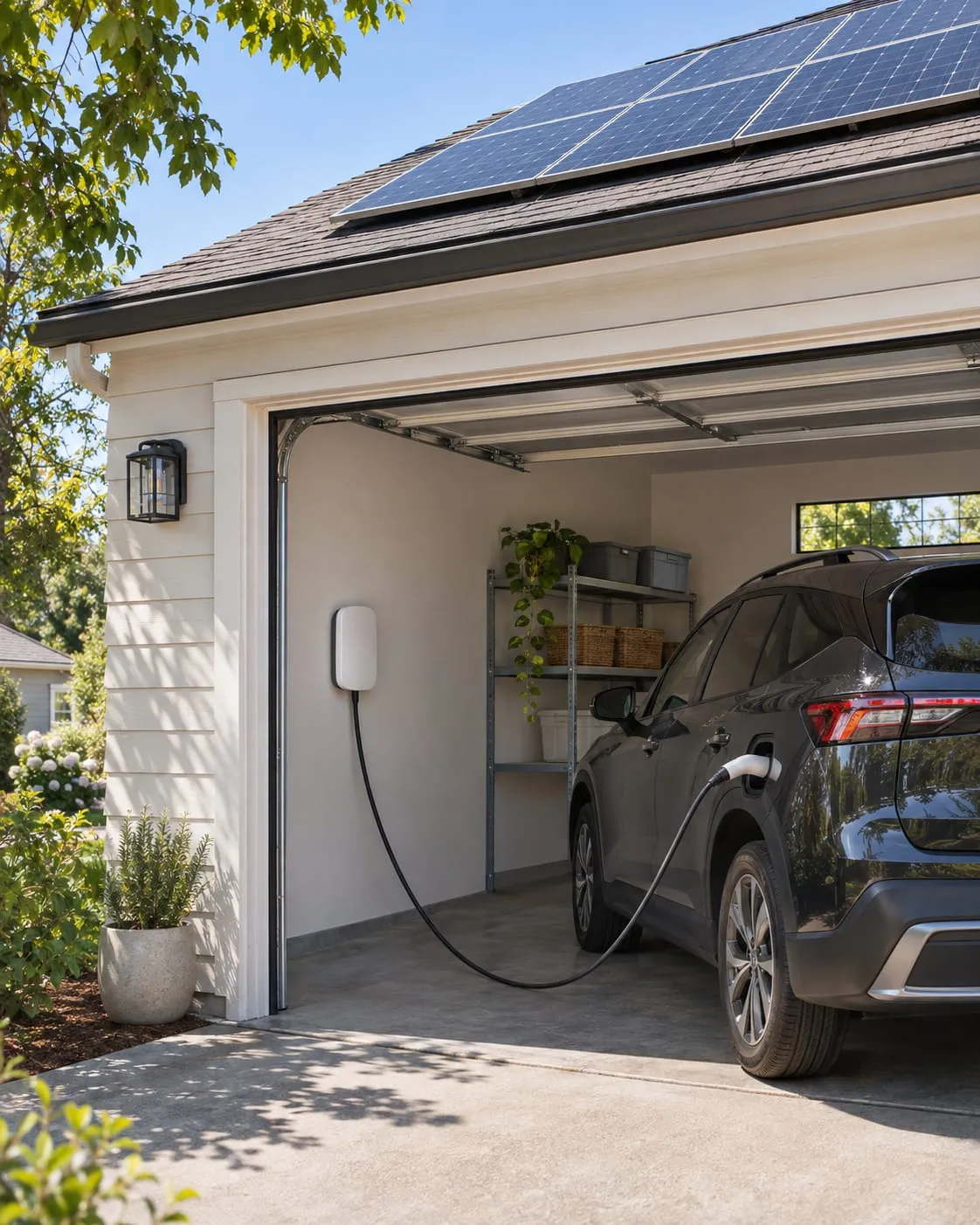 Illustrative scene
Classic EV Charger↗
●●○ Mid-rangeSmart charging without paying for Pro
See on AmazonSpecs & who it’s for →Permits and installation
A hardwired charger or a new 240-volt outlet is electrical work: have a licensed electrician install it and pull any permit your area requires. Depending on where you live, permits come from your city or county building department or a state electrical office — official Maine electrical permit information.
FAQ
Is there a home EV charger rebate in Maine?
As of November 2026 we found 1 program on official pages: Efficiency Maine Off-Peak Charger Incentives. Amounts, eligibility and funding change, so confirm on the program page before buying.
How much does electricity cost for charging an EV in Maine?
The average residential price in Maine was 32.1¢/kWh (U.S. average 18.2¢ · August 2026, EIA). Your actual cost depends on your utility’s rate plan — EV or time-of-use plans can be cheaper at night.
Do I need a permit to install an EV charger in Maine?
Usually a hardwired charger or a new 240-volt circuit needs an electrical permit from your city, county or the state. A licensed electrician should install it and pull the permit; requirements vary by location.
Which home EV charger works best in Maine’s climate?
With January lows averaging 5.7 °F statewide, choose a charger rated by its maker for −22 °F or colder; a few we cover are rated to −40 °F.
Which utilities serve Maine?
The largest electric utilities we checked for Maine include Central Maine Power (CMP), Versant Power. Your utility decides which rebates and EV rates you can use.
Sources
- EIA Electric Power Monthly, Table 5.6.A (residential, August 2026)
- U.S. DOE AFDC, 2025 light-duty vehicle registration counts by state (battery-electric)
- U.S. DOE Alternative Fuels Data Center, Station Locator API (open, public EV stations)
- NOAA NCEI Climate at a Glance, statewide January (average, low) and July (high) temperature, 1991–2020 average
- Efficiency Maine Off-Peak Charger Incentives
- Condominium and residential association EV charger law (33 M.R.S. 576-A)
- Versant Power: Home Eco Rate (Bangor Hydro District)
- official Maine electrical permit information
Compiled from public data (EIA, U.S. DOE Alternative Fuels Data Center, NOAA) and official state, utility and city pages, checked November 2026. Charger specs are from manufacturers; we don’t claim hands-on testing. See how we research.
More chargers to compare
Other models we cover, swipe or use the arrows.
 Illustrative scene
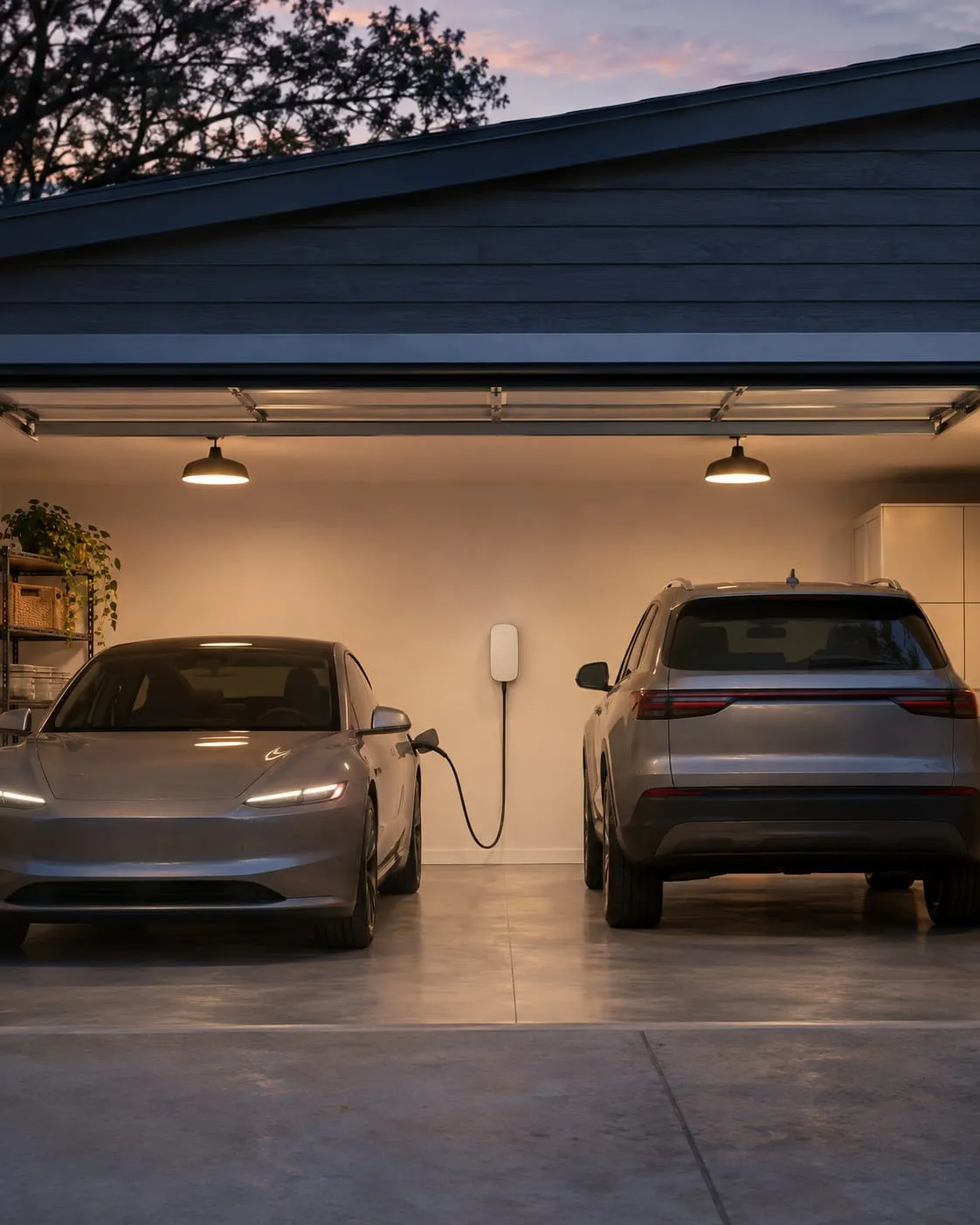
Universal Wall Connector↗
●●○ Mid-rangeMixed Tesla and non-Tesla garages
See on AmazonSpecs & who it’s for →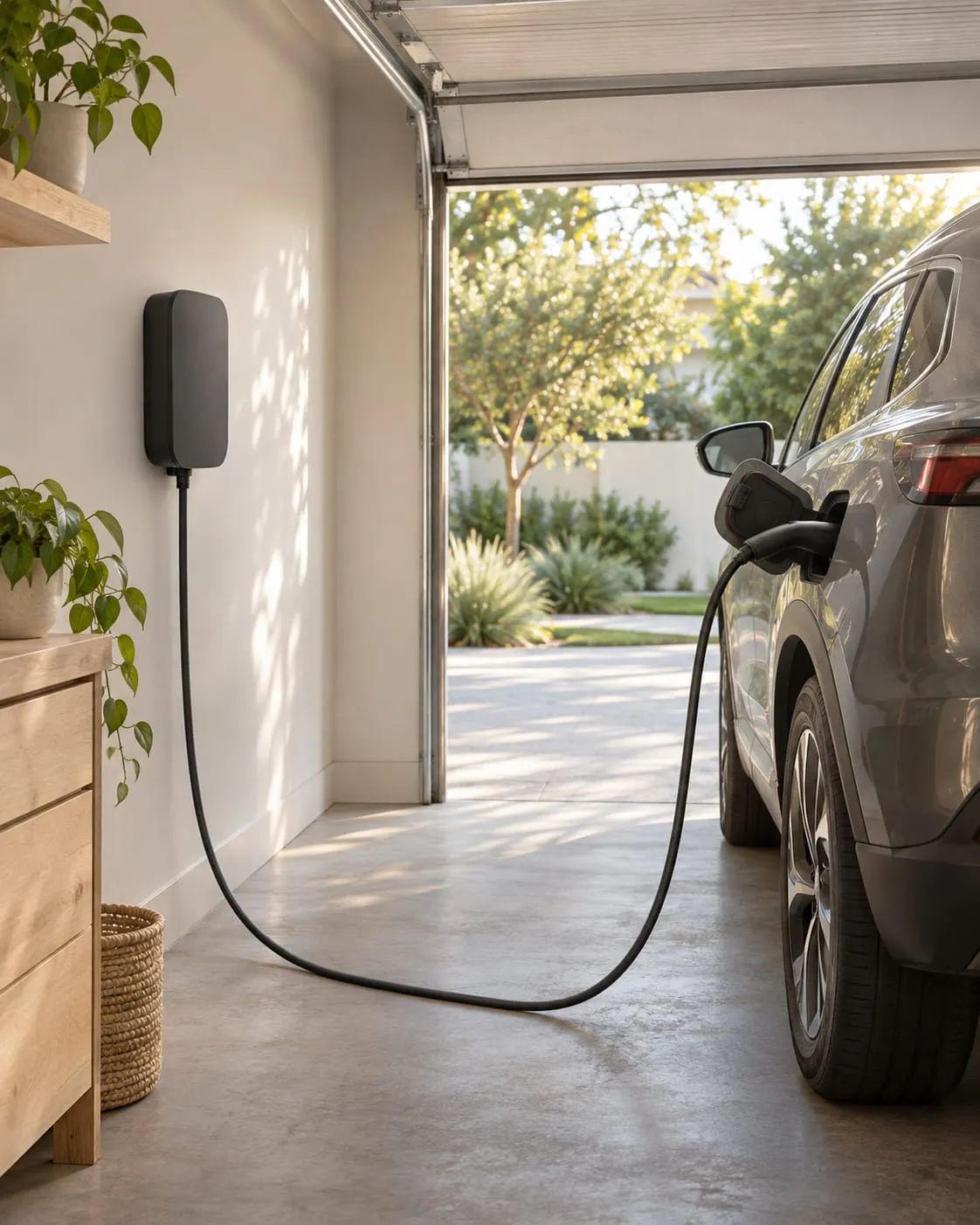 Illustrative scene
Home Flex↗
●●● PremiumOne flexible charger for any install
See on AmazonSpecs & who it’s for →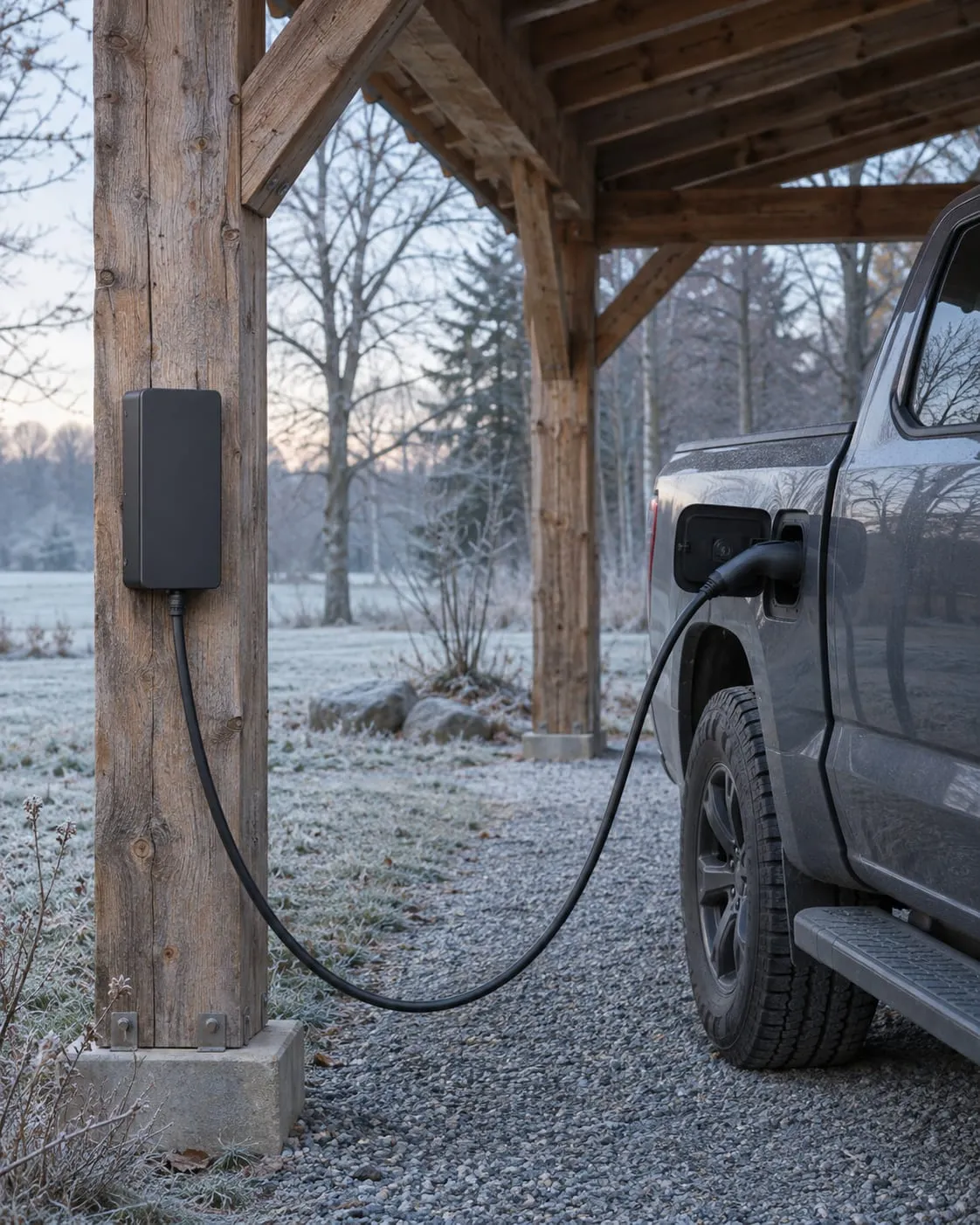
 Illustrative scene
NEXUS Level 2↗
●○○ BudgetBudget wall unit, plug-in or hardwired
See on AmazonSpecs & who it’s for → Illustrative scene
Level 2 Charger 48A↗
●○○ BudgetLow-cost hardwired smart charging
See on AmazonSpecs & who it’s for →
 Illustrative scene
Mobile Connector (NACS)↗
●○○ BudgetTesla owners needing a travel cord
See on AmazonSpecs & who it’s for →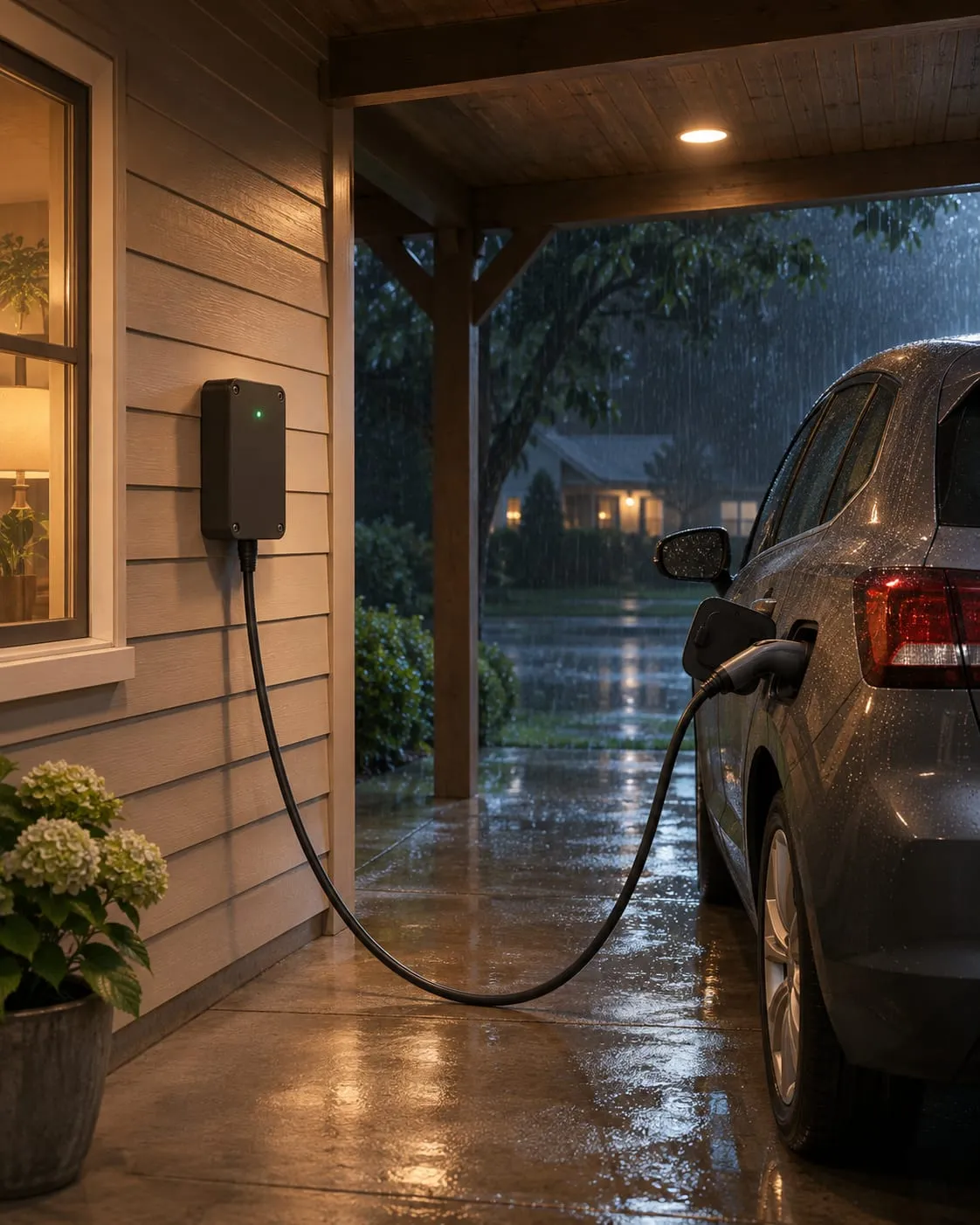 Illustrative scene
Classic Connect 40A↗
●●○ Mid-rangeRugged outdoor install with an app
See on AmazonSpecs & who it’s for →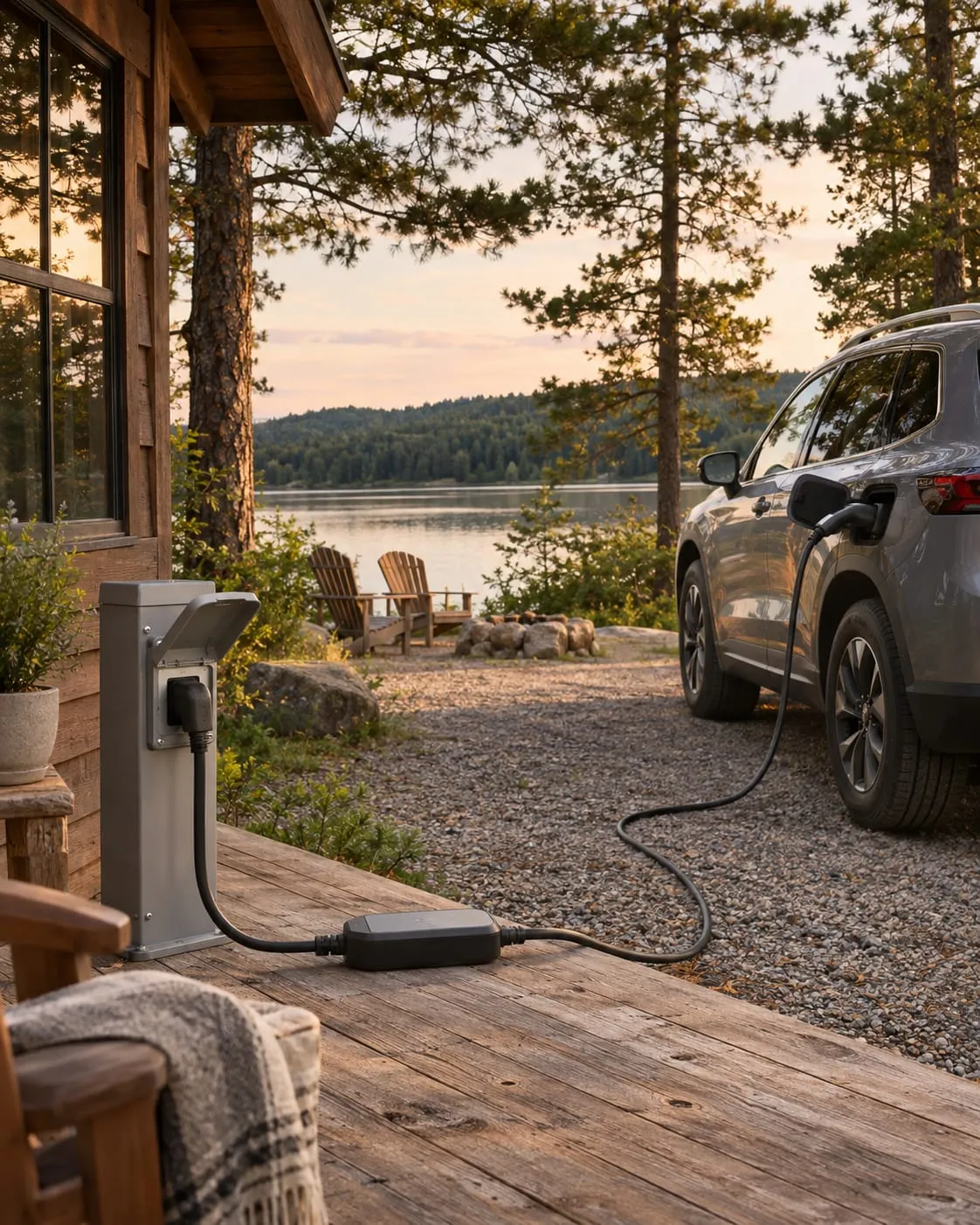 Illustrative scene
Mini Connect (portable)↗
●●○ Mid-rangeRenters and road trips
See on AmazonSpecs & who it’s for →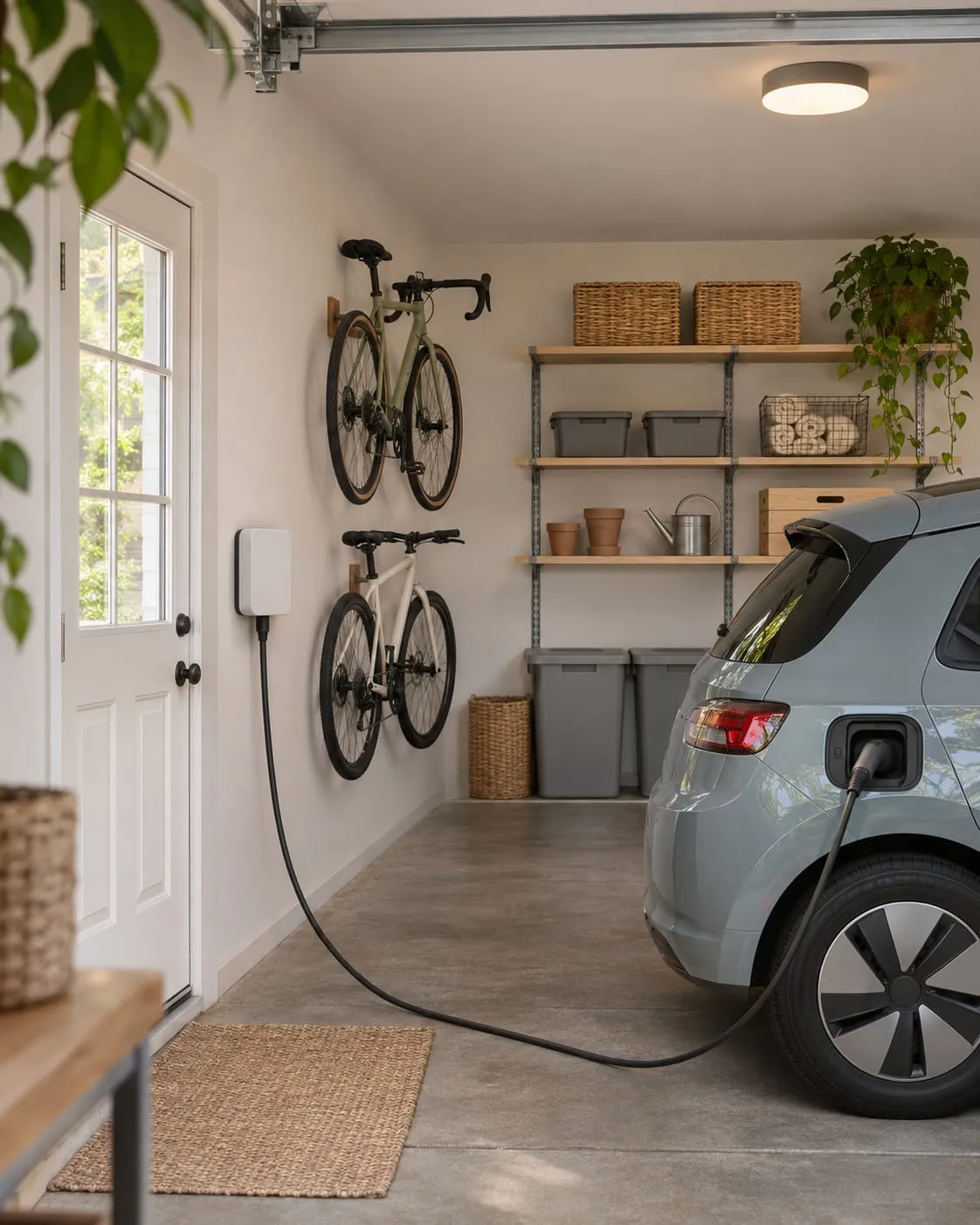 Illustrative scene
Pulsar Plus↗
●●○ Mid-rangeSmall garages, two EVs, solar add-on
See on AmazonSpecs & who it’s for →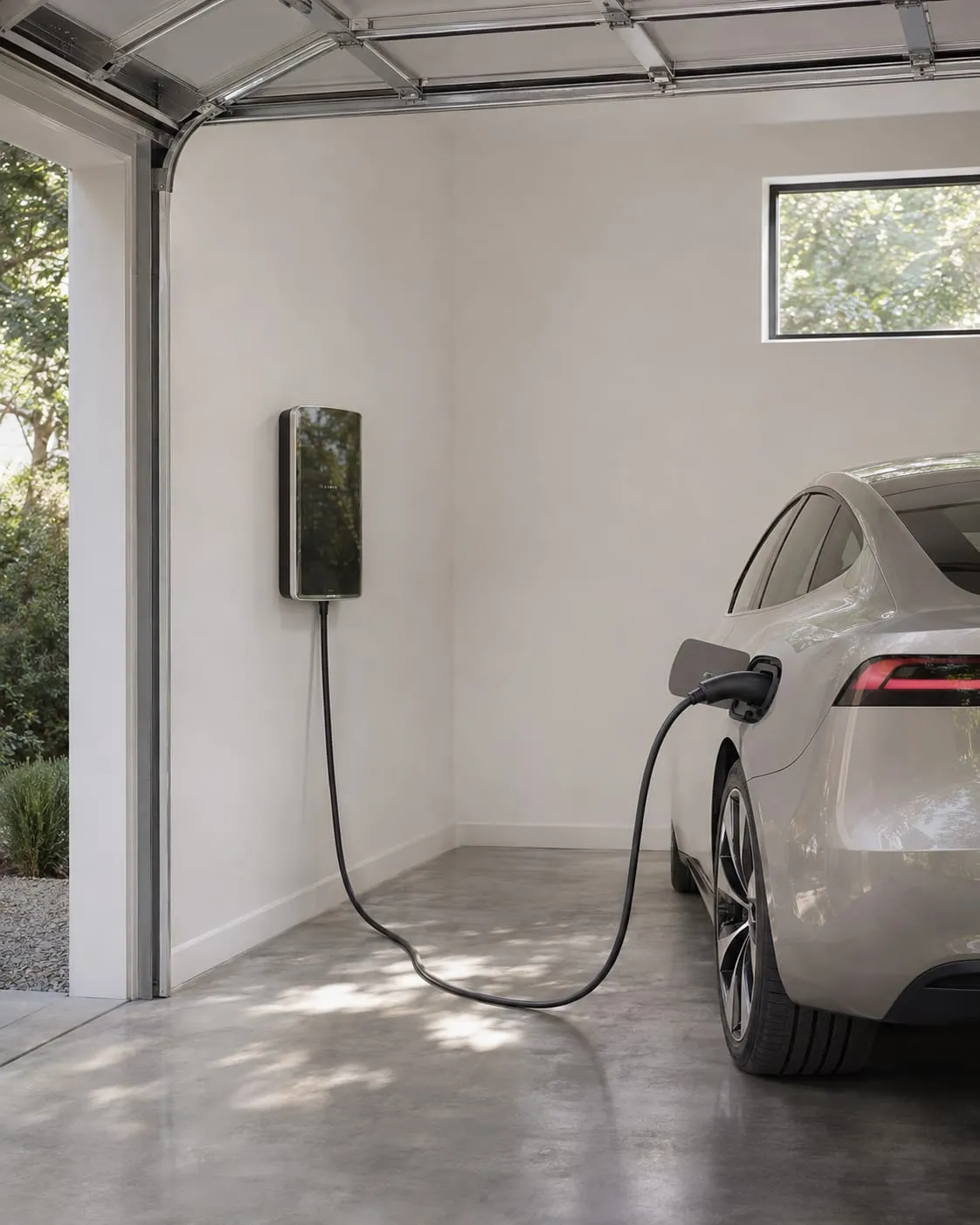
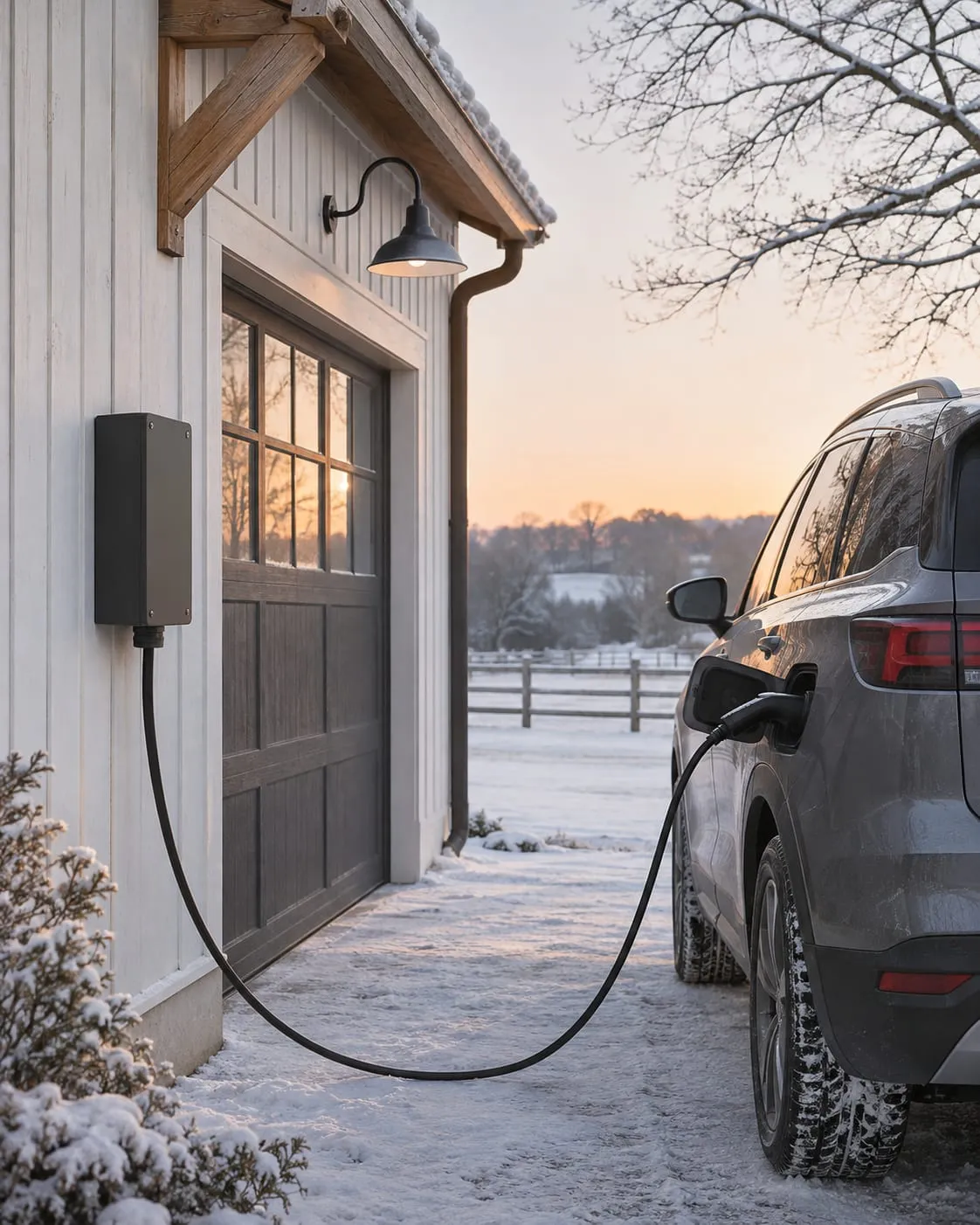 Illustrative scene
Ultimate 48A↗
●●○ Mid-rangeHardwired 48 A in harsh weather
See on AmazonSpecs & who it’s for →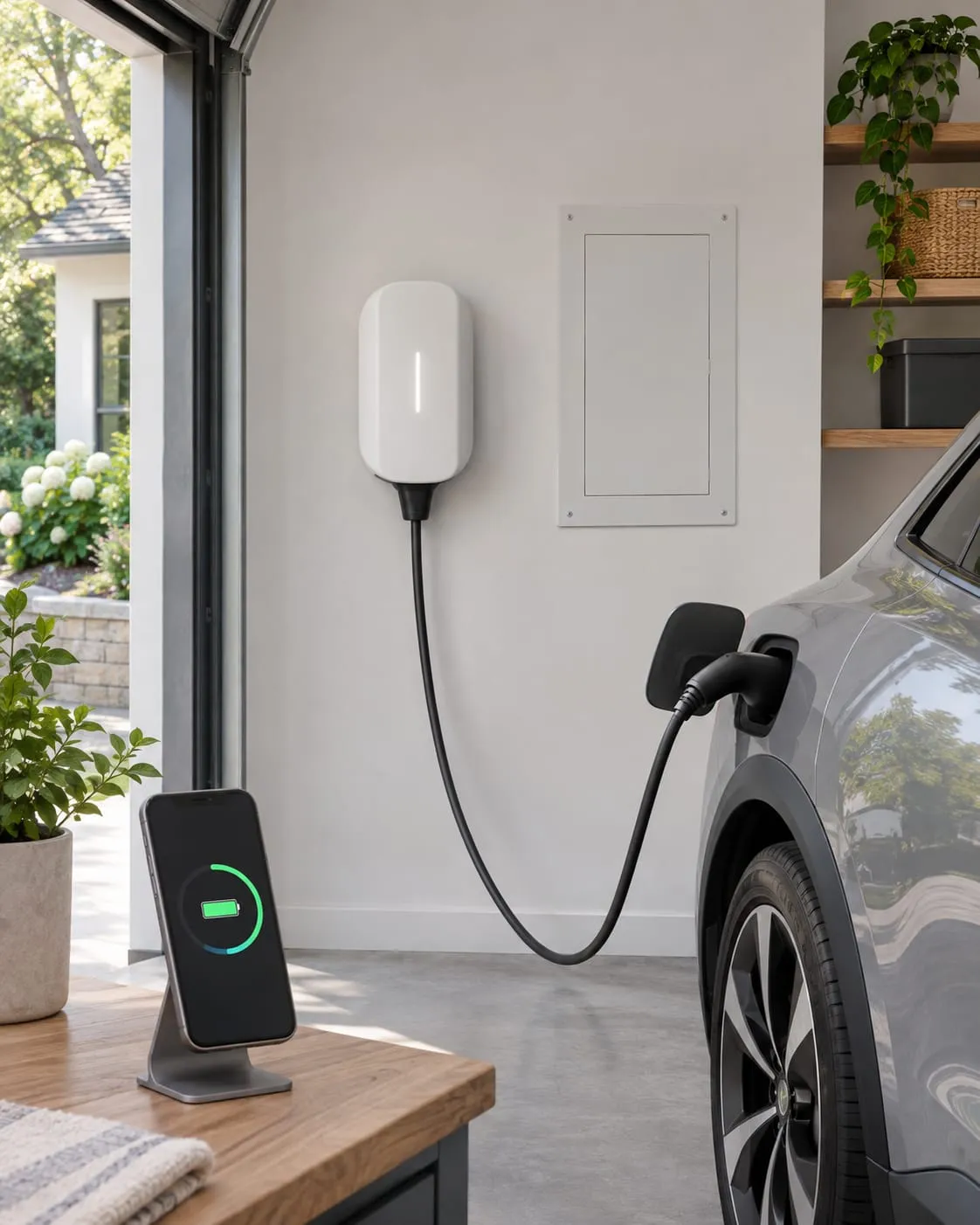 Illustrative scene
EV48W Smart 48A↗
●●○ Mid-rangeLeviton smart-home households
See on AmazonSpecs & who it’s for →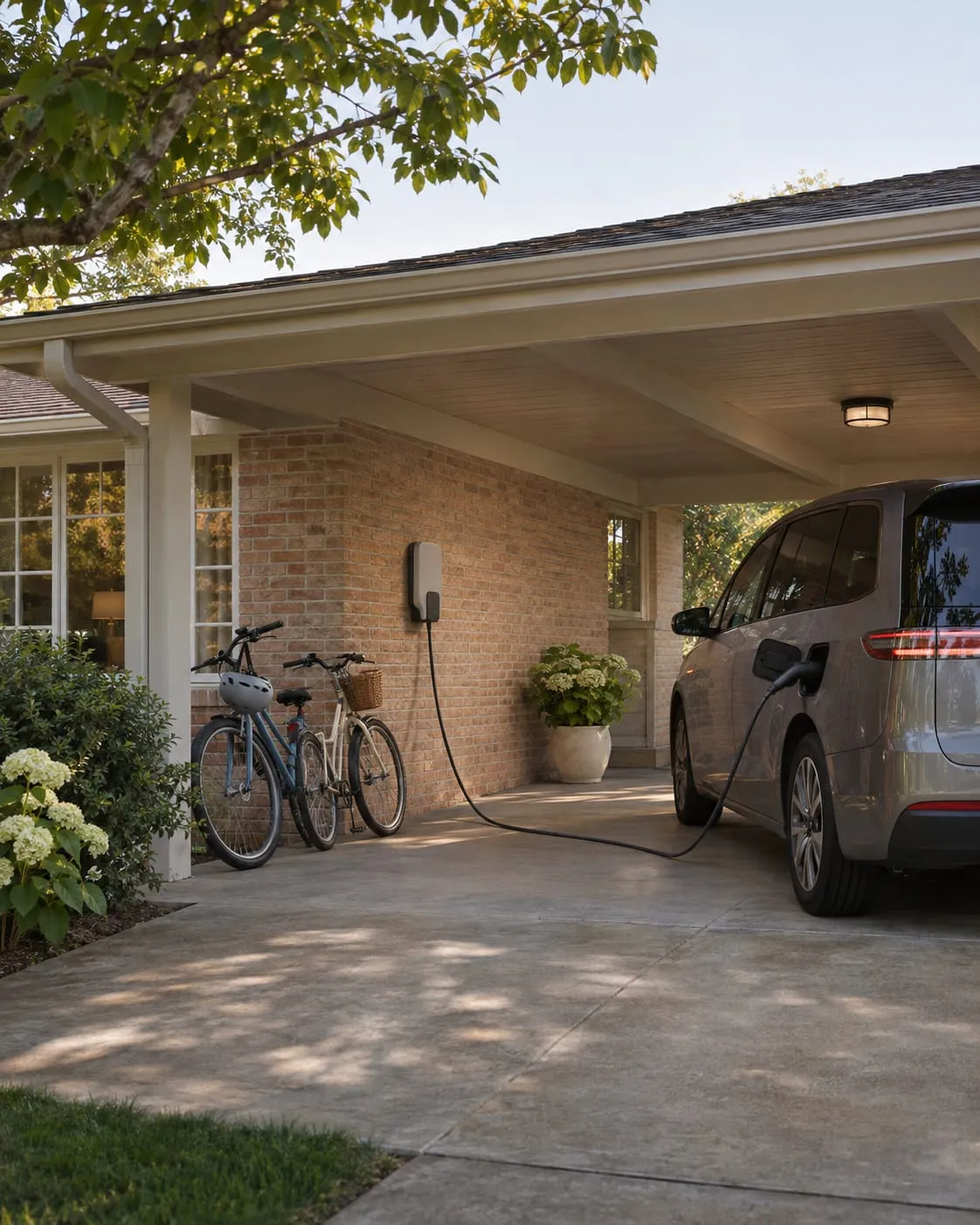 Illustrative scene
Home 50↗
●●○ Mid-rangeHardwired 50 A with dual-band Wi-Fi
See on AmazonSpecs & who it’s for →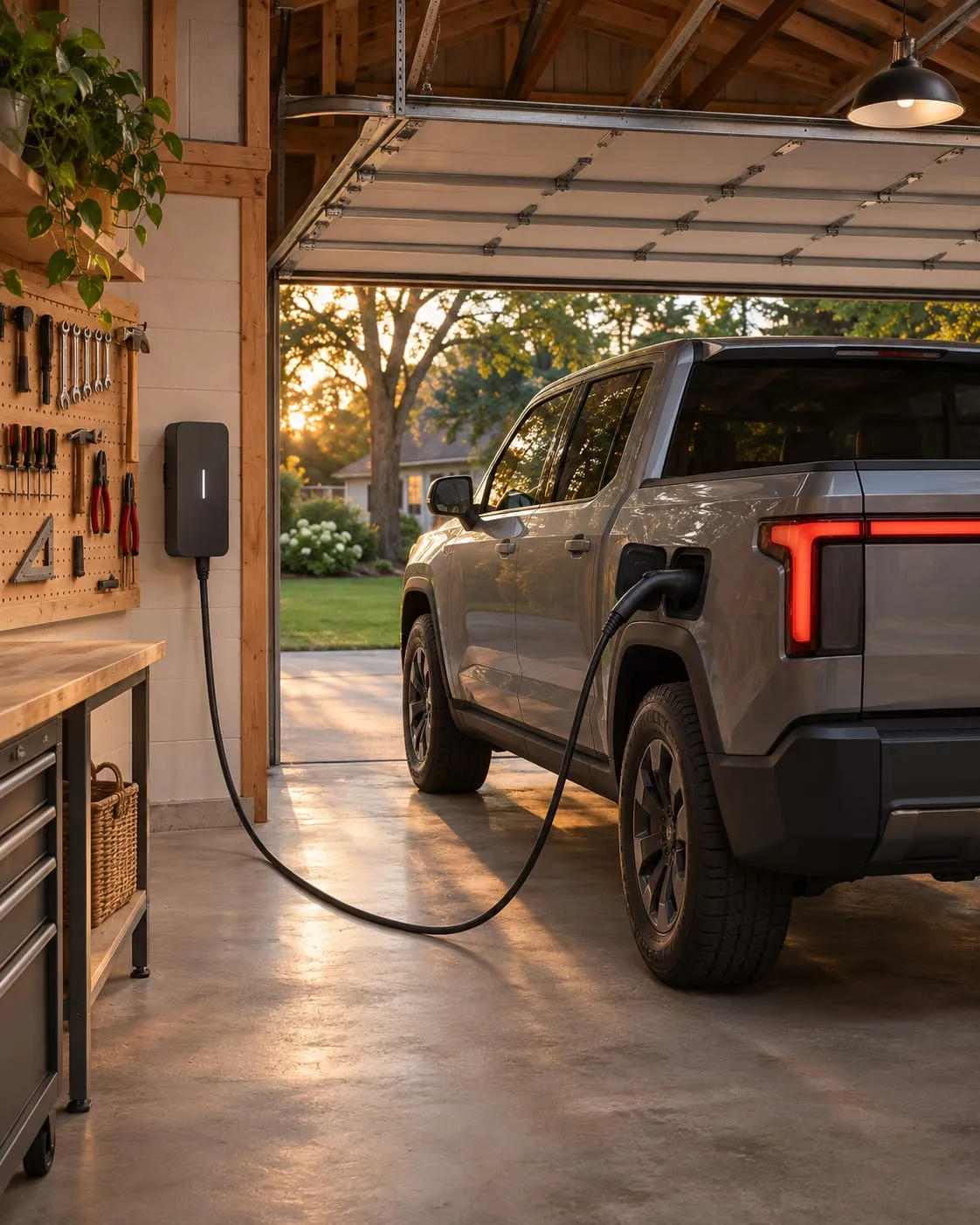 Illustrative scene
Ultimate 80A↗
●●● PremiumBig batteries, big electrical service
See on AmazonSpecs & who it’s for →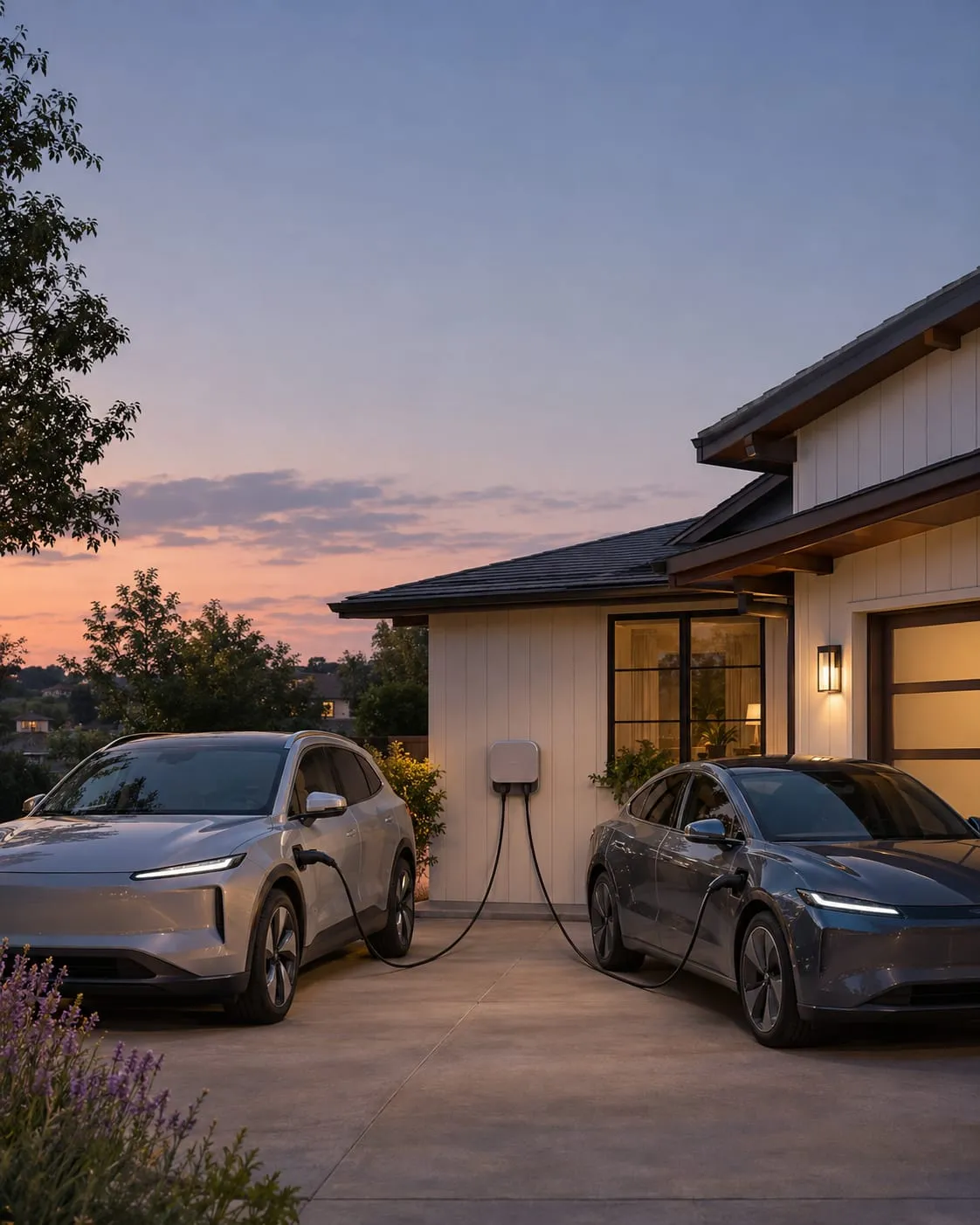
Affiliate links: we may earn a commission at no cost to you. Prices aren’t listed — the retailer shows the current one. Disclosure
Charging accessories
Adapters, cable holders, pedestals and covers.
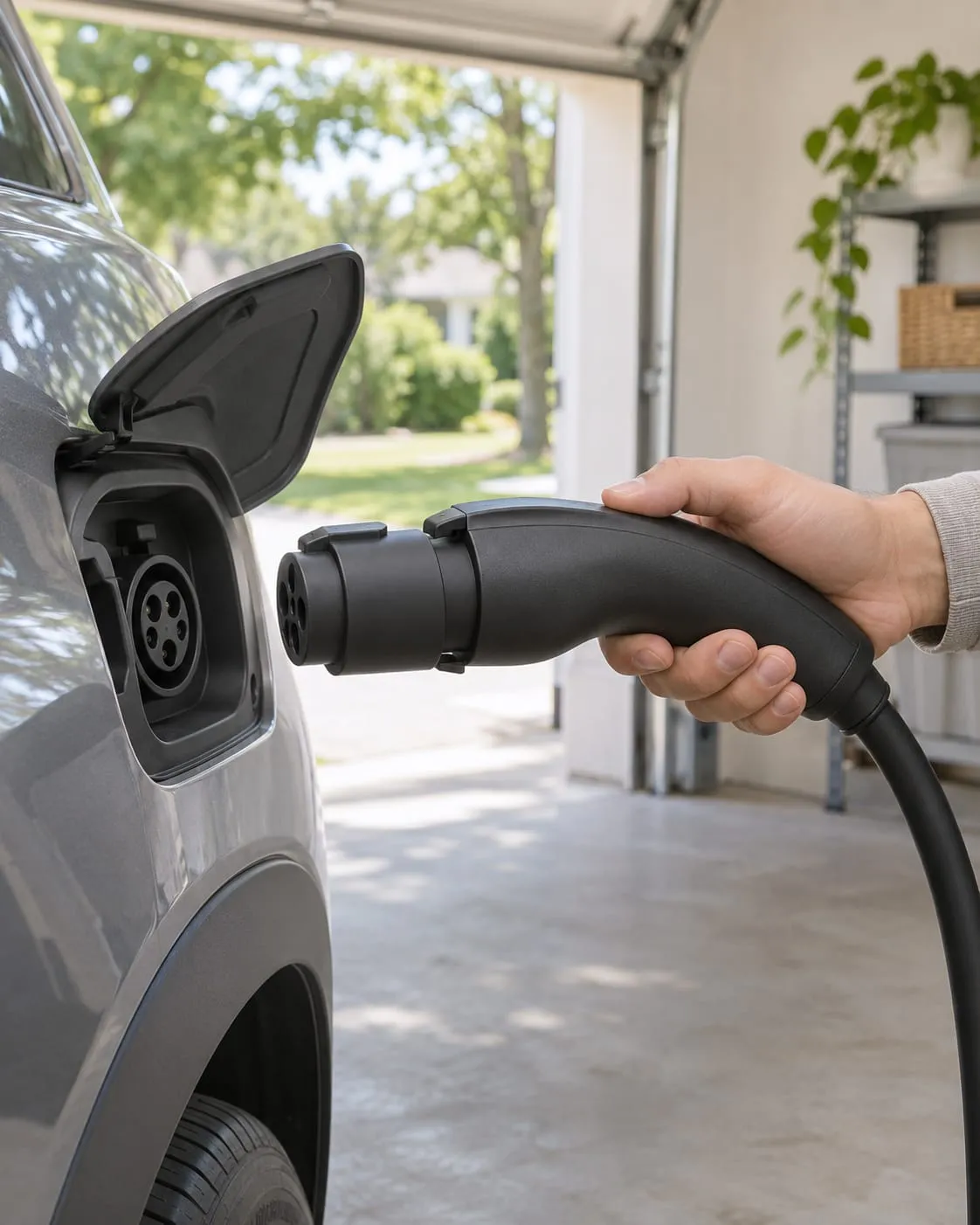 Illustrative scene
NACS to J1772 Adapter 80A↗
●●○ Mid-rangeJ1772 car, Tesla-style home charger
See on AmazonSpecs & who it’s for →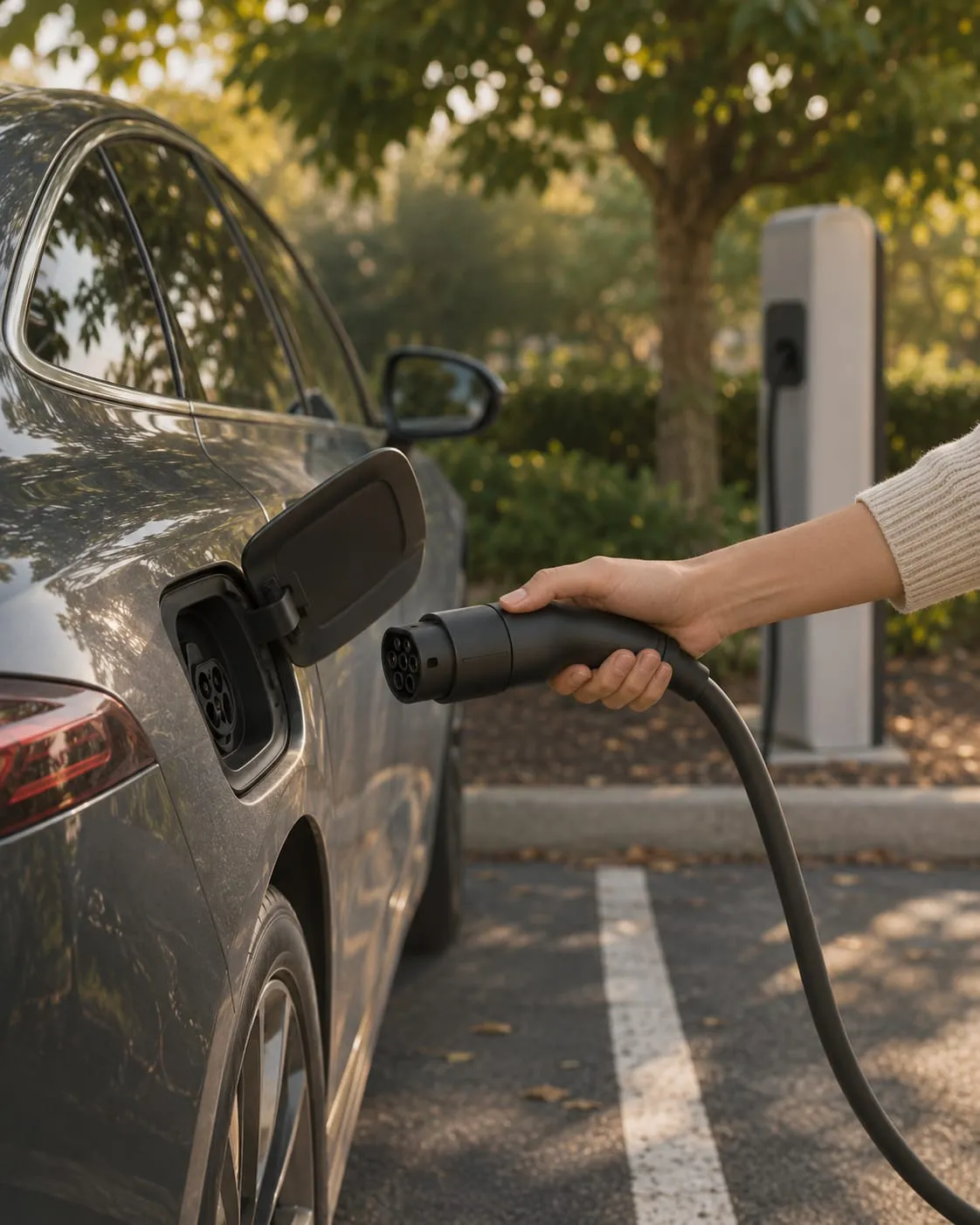 Illustrative scene
J1772 to NACS Adapter 80A↗
●●○ Mid-rangeTesla or NACS car, J1772 charger
See on AmazonSpecs & who it’s for →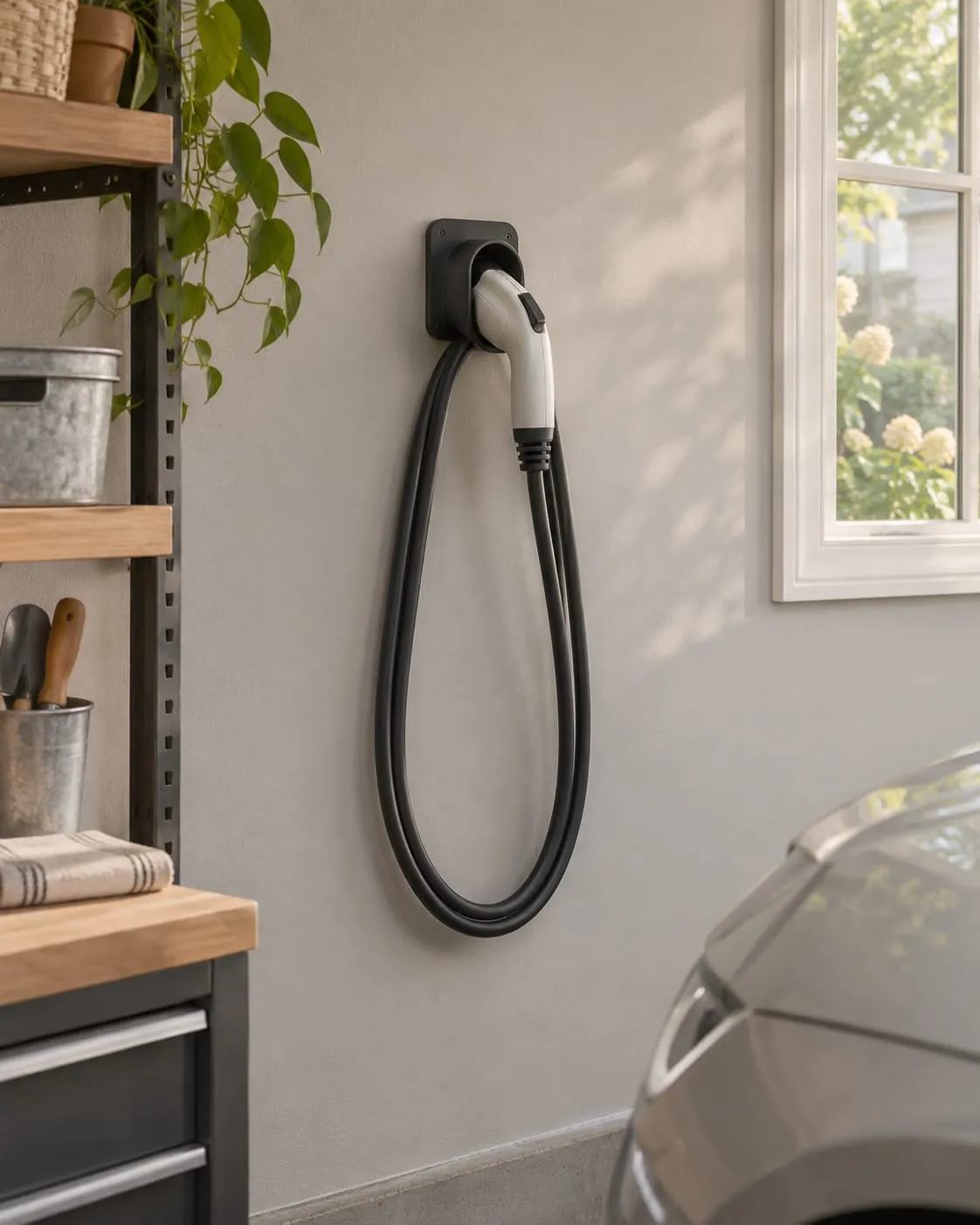
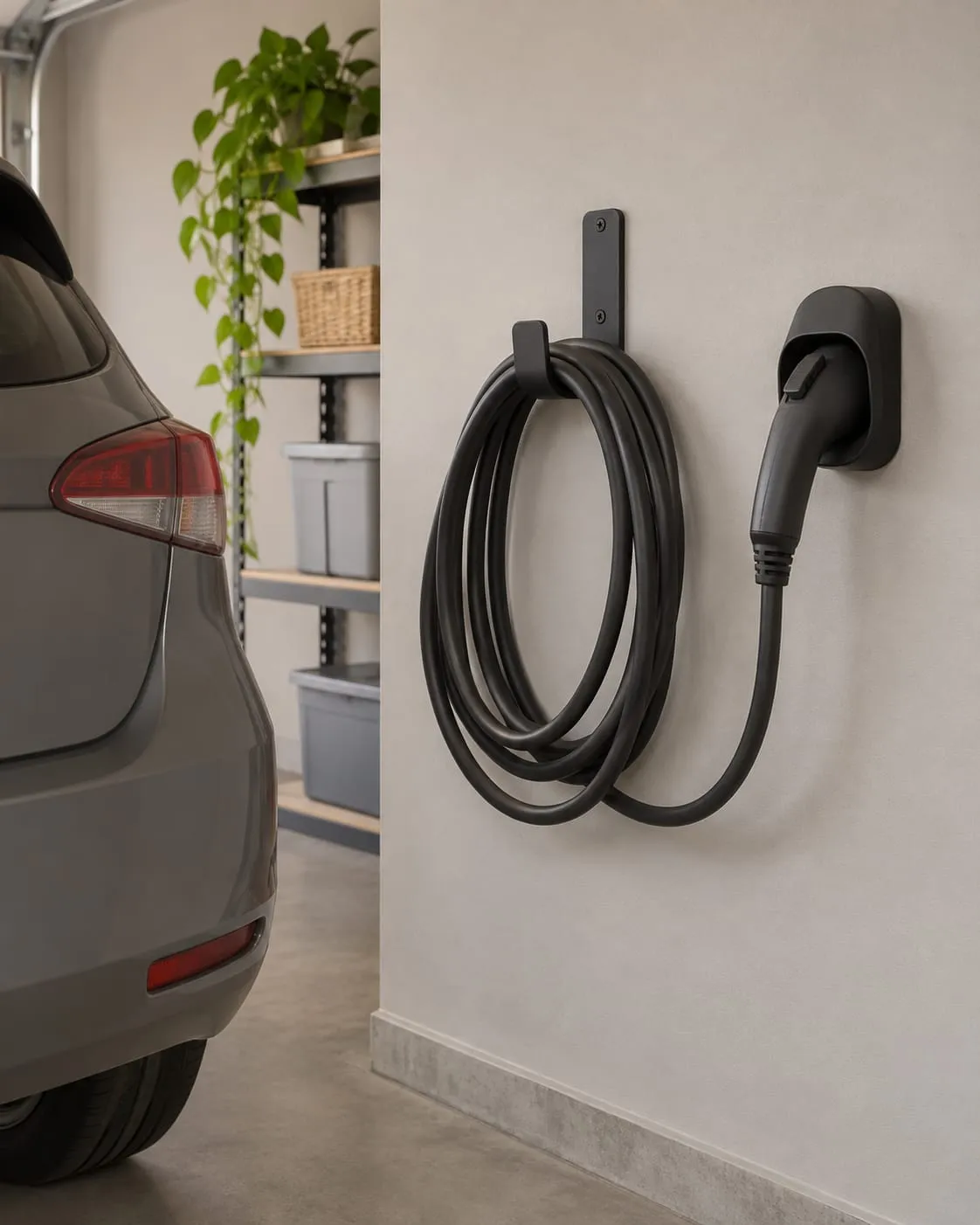 Illustrative scene
J1772 Dock + J-Hook↗
●○○ BudgetTidy garage with J1772 charger
See on AmazonSpecs & who it’s for →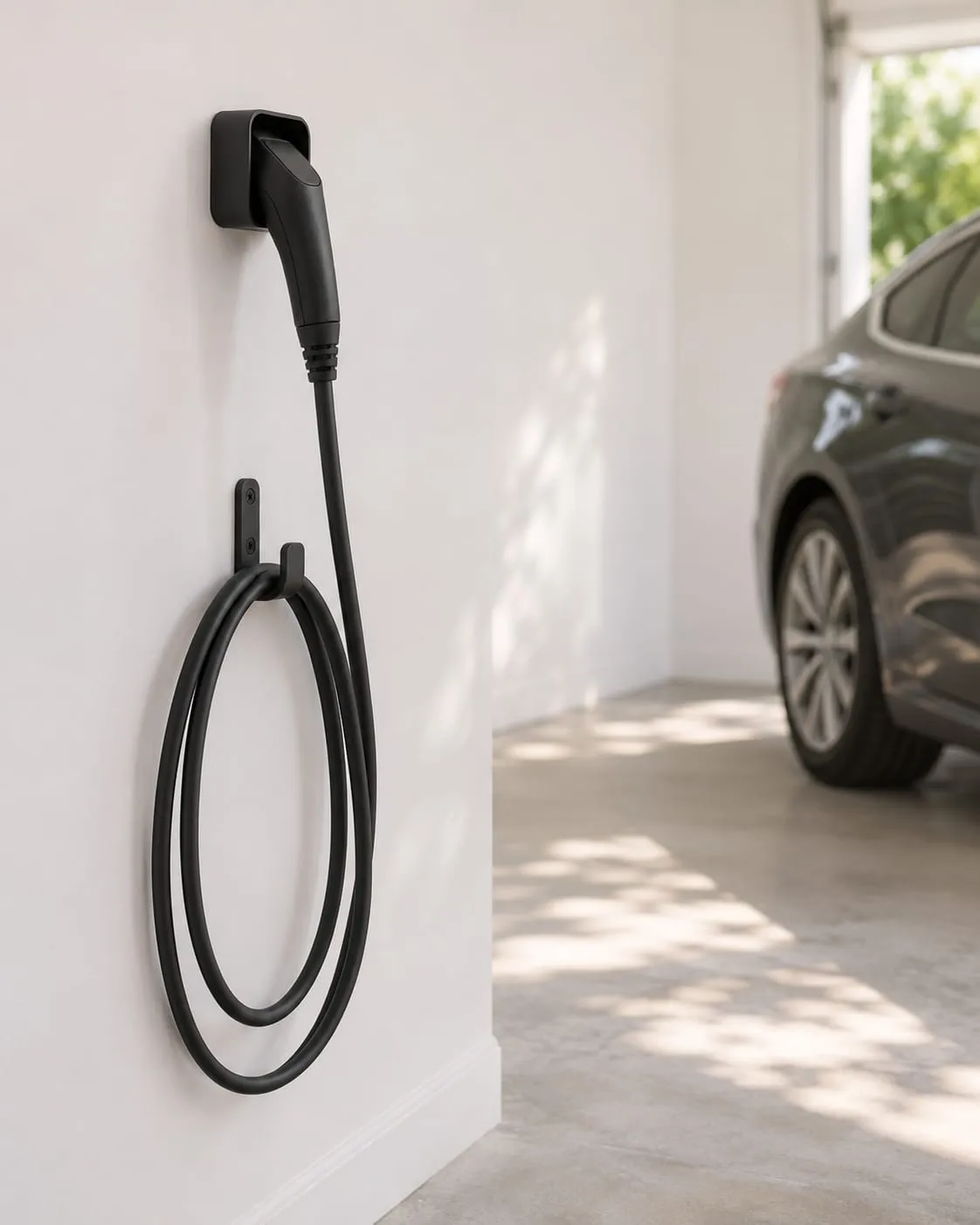 Illustrative scene
NACS Dock + J-Hook↗
●○○ BudgetTesla Mobile or Wall Connector
See on AmazonSpecs & who it’s for →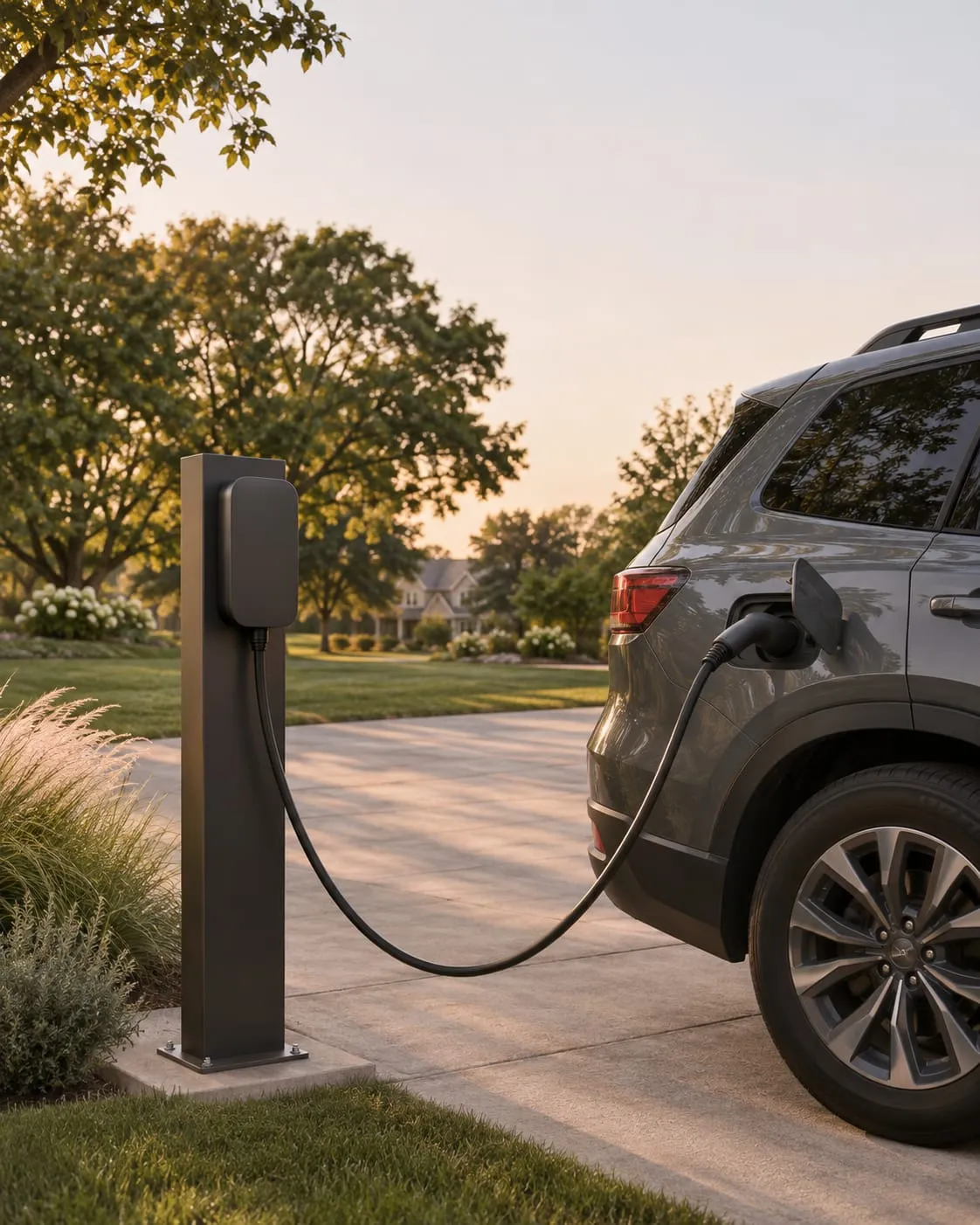 Illustrative scene
Eiffel Basic Pedestal (Mono)↗
●●● PremiumWallbox Pulsar charger, no wall
See on AmazonSpecs & who it’s for →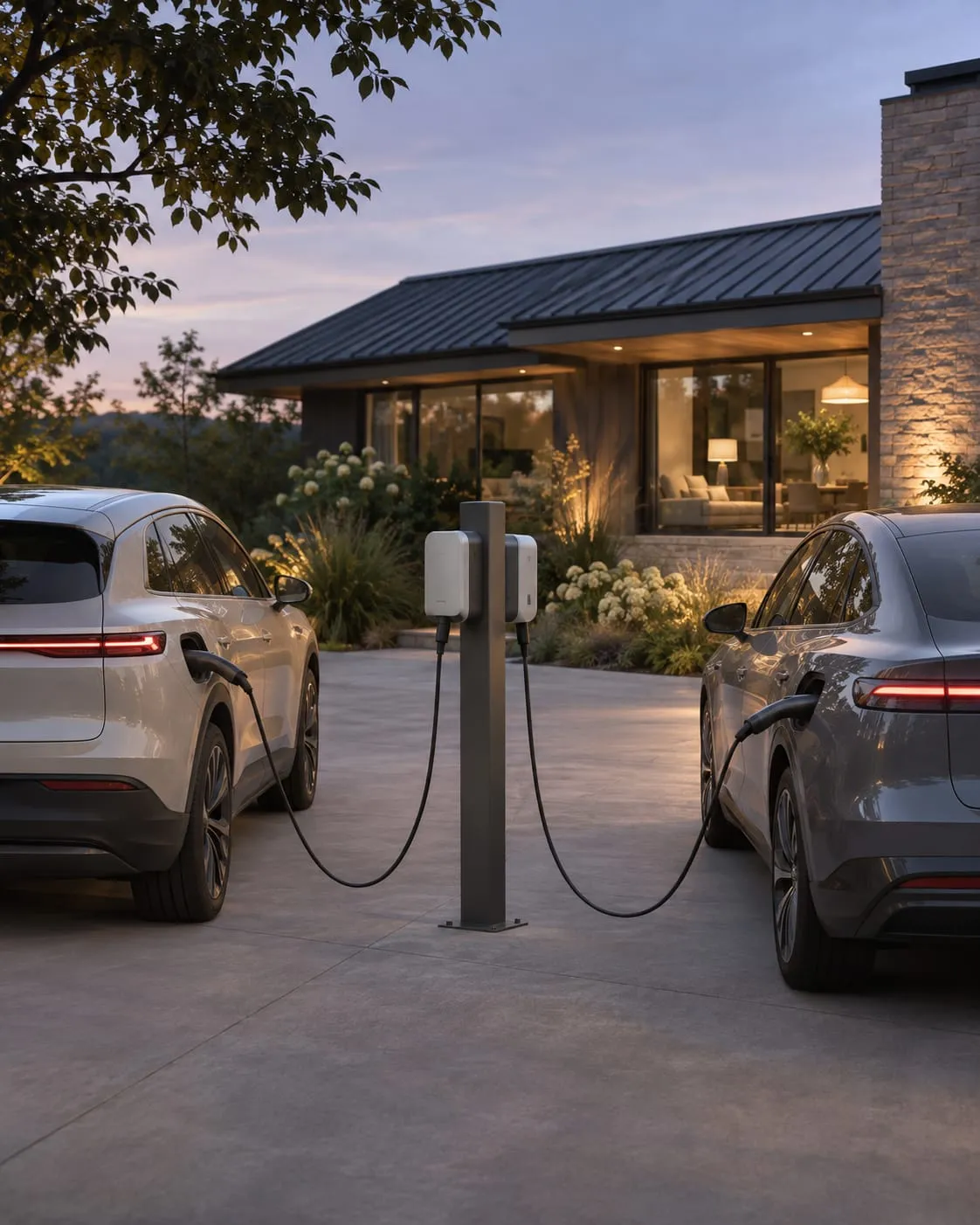 Illustrative scene
Eiffel Basic Pedestal (Dual)↗
●●● PremiumTwo Wallbox chargers, driveway
See on AmazonSpecs & who it’s for →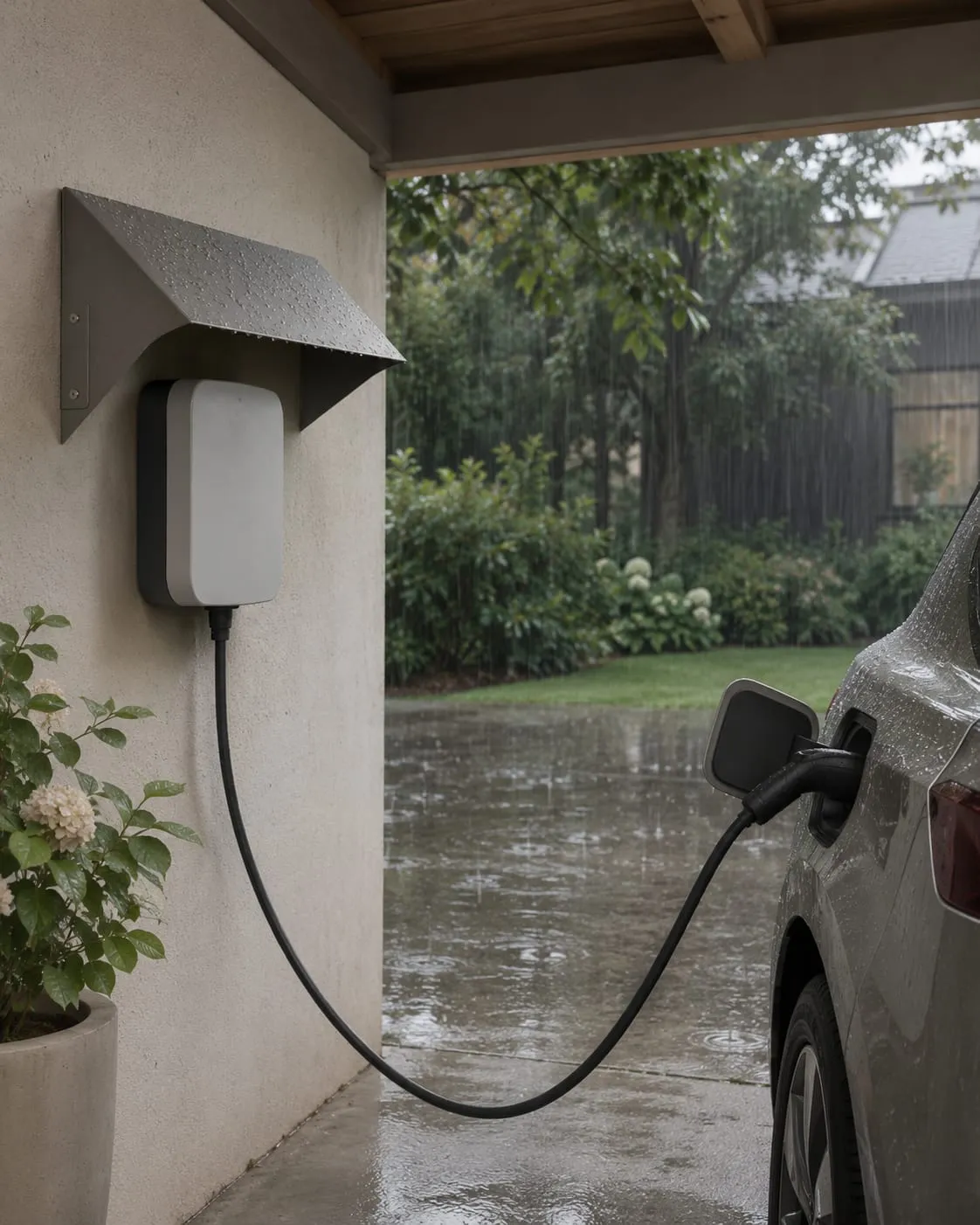 Illustrative scene
Rain Cover for Pulsar / Eiffel Basic↗
●●○ Mid-rangeOutdoor Wallbox Pulsar install
See on AmazonSpecs & who it’s for →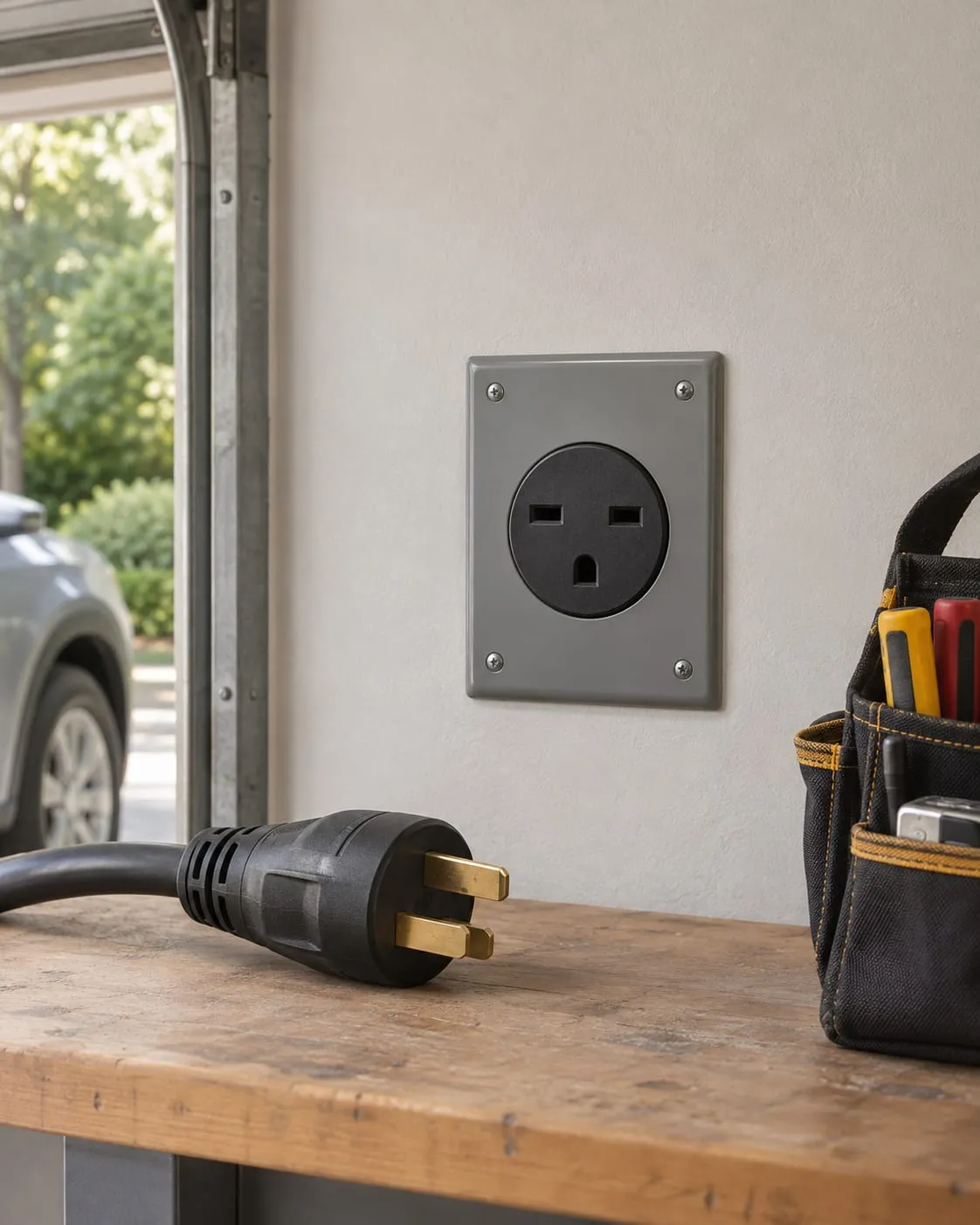 Illustrative scene
HBL9450A 14-50R Receptacle↗
●●○ Mid-rangePlug-in charger on NEMA 14-50
See on AmazonSpecs & who it’s for → Illustrative scene
Protective Case for EV Adapters↗
●○○ BudgetKeeping an adapter in the car
See on AmazonSpecs & who it’s for →Affiliate links: we may earn a commission at no cost to you. Prices aren’t listed — the retailer shows the current one. Disclosure