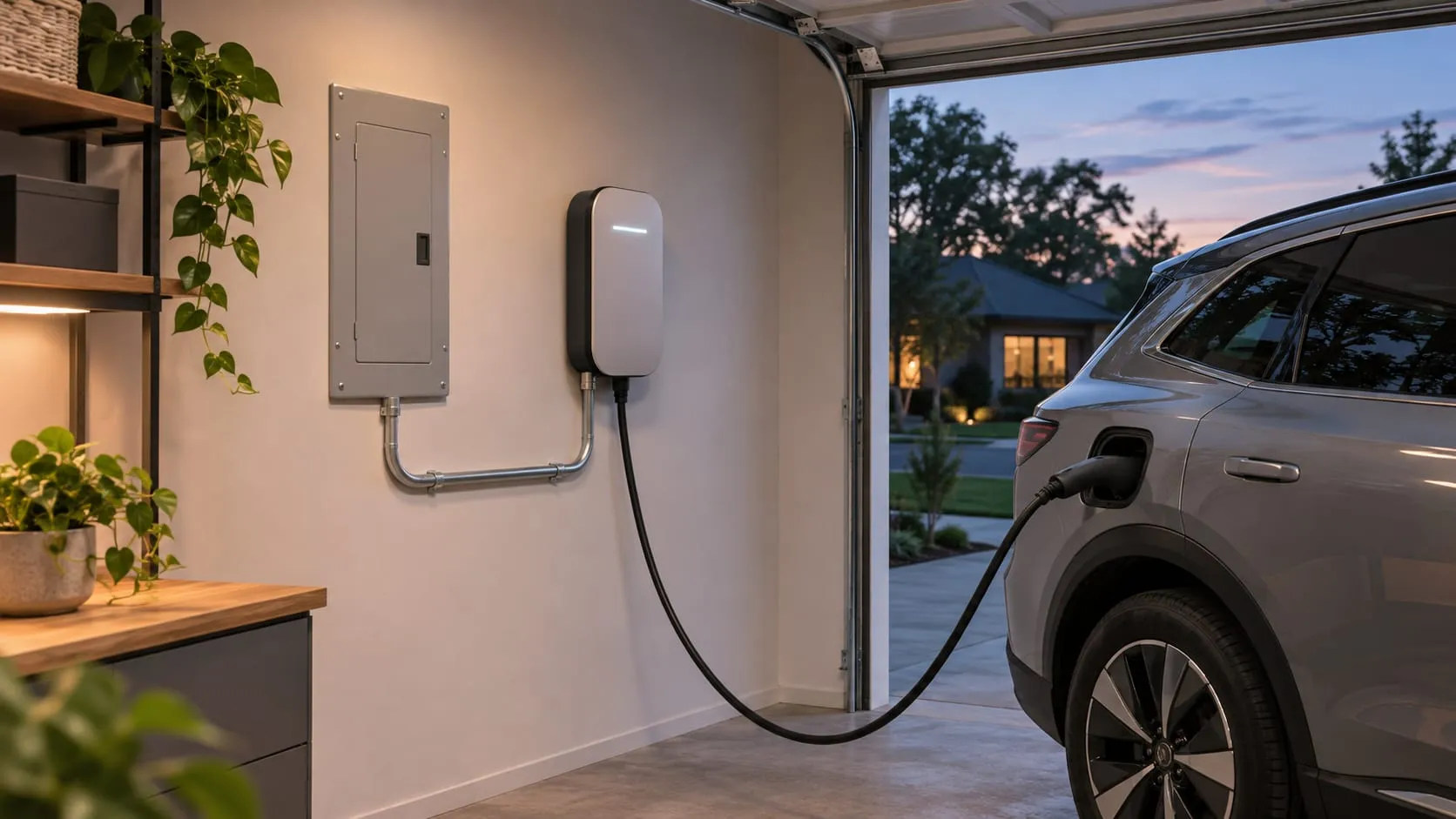
The best 48-amp EV chargers for home
This page contains affiliate links. If you buy through them we may earn a commission, at no cost to you. As an Amazon Associate, GroveVolt earns from qualifying purchases. Learn more
Quick picks
 Illustrative scene
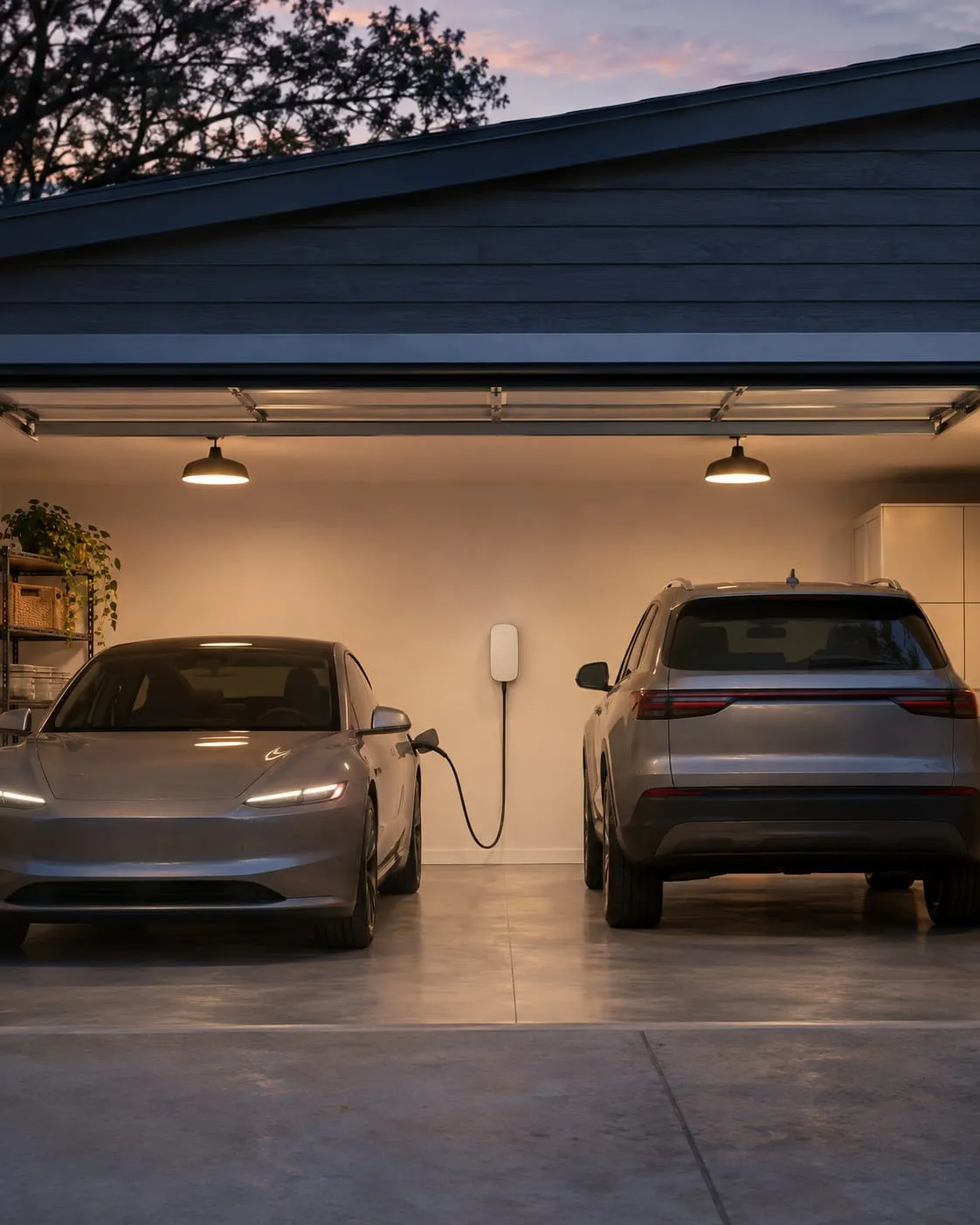
Universal Wall Connector↗
●●○ Mid-rangeMixed Tesla and non-Tesla garages
See on AmazonSpecs & who it’s for → Illustrative scene
Classic EV Charger↗
●●○ Mid-rangeSmart charging without paying for Pro
See on AmazonSpecs & who it’s for → Illustrative scene
Ultimate 48A↗
●●○ Mid-rangeHardwired 48 A in harsh weather
See on AmazonSpecs & who it’s for →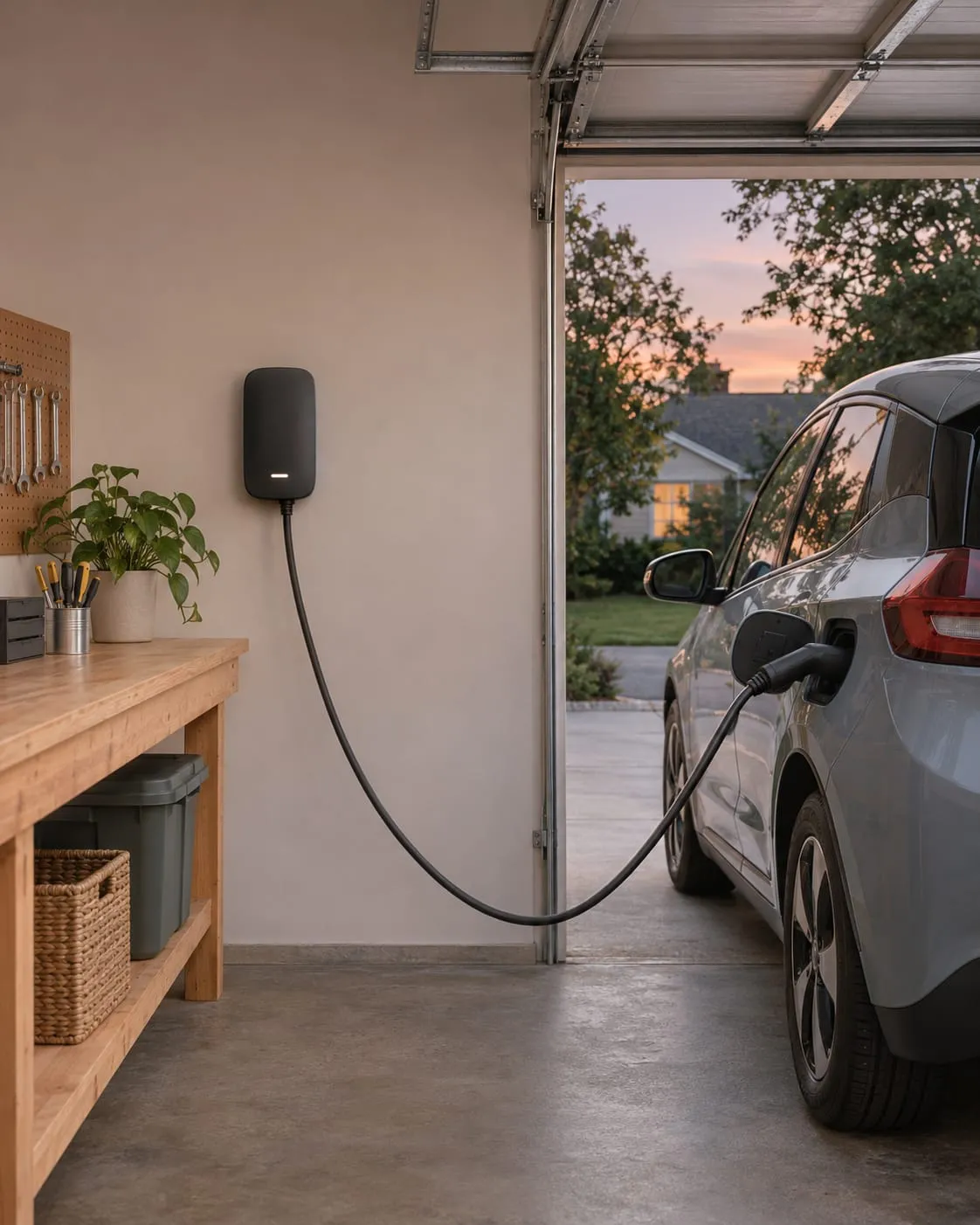 Illustrative scene
Level 2 Charger 48A↗
●○○ BudgetLow-cost hardwired smart charging
See on AmazonSpecs & who it’s for →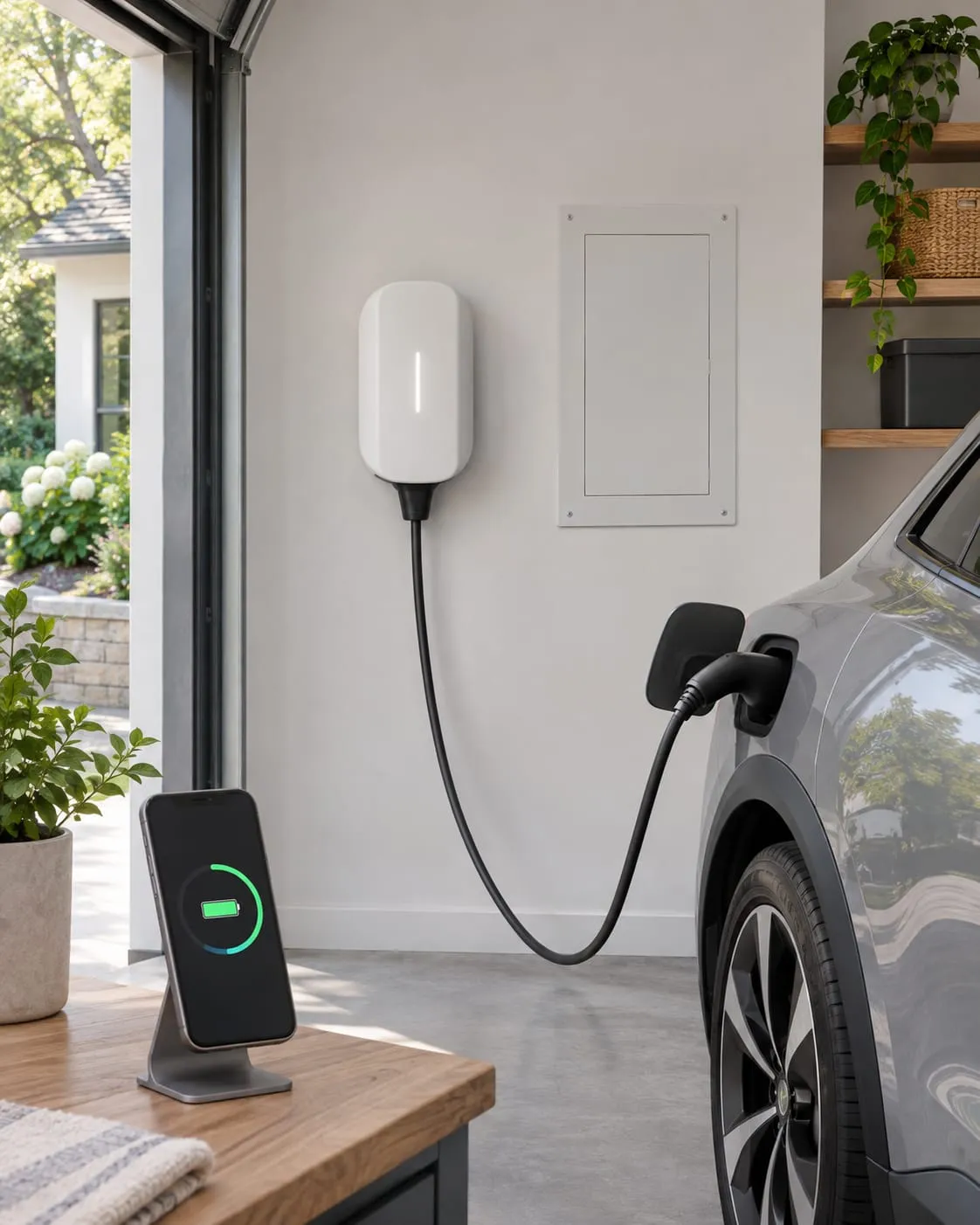 Illustrative scene
EV48W Smart 48A↗
●●○ Mid-rangeLeviton smart-home households
See on AmazonSpecs & who it’s for →The short answer
A 48-amp charger delivers about 11.5 kW — the most that the onboard charger of most current EVs can accept. It has to be hardwired on a 60 A circuit by a licensed electrician; on a NEMA 14-50 outlet the same charger is limited to 40 A.
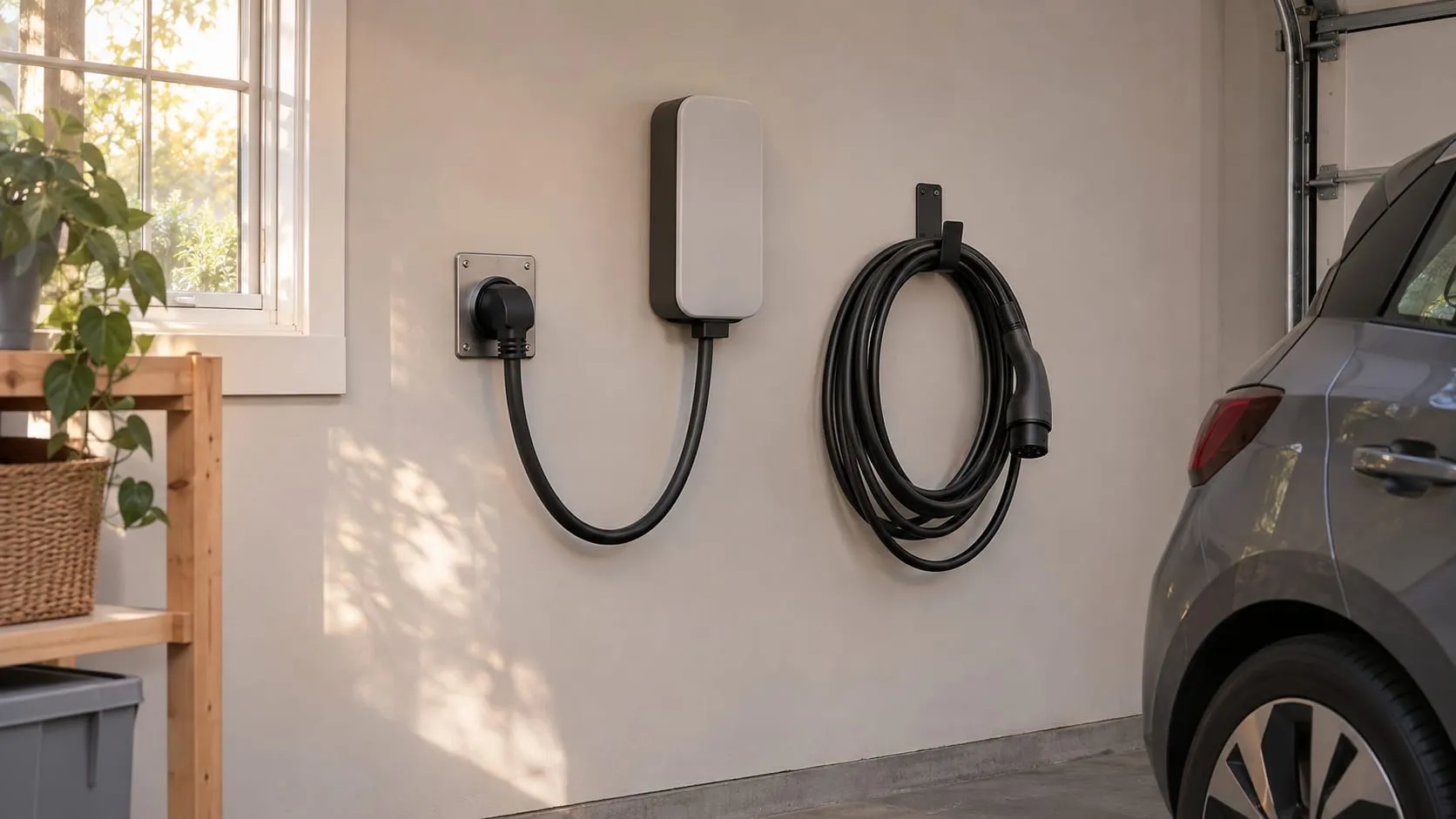
Illustrative sceneUniversal Wall Connector
A 48 A hardwired charger with a NACS handle and an integrated J1772 adapter, so one unit charges both Tesla and non-Tesla EVs.
Specs side by side
| Model | Tier | Max current | Max power | Adjustable range | Connector |
|---|---|---|---|---|---|
| Universal Wall Connector Tesla | Mid-range | 48 A | 11.5 kW | 12–48 A (set at install) | NACS with integrated J1772 adapter |
| Classic EV Charger Emporia | Mid-range | 48 A | 11.5 kW | Not stated by maker | J1772 or NACS (separate models) |
| Ultimate 48A Grizzl-E | Mid-range | 48 A | 11.5 kW | 16 to 48 A (48, 40, 32, 24, 16 A settings) | J1772 or NACS |
| Level 2 Charger 48A EVIQO | Budget | 50 A | 11.5 (at 48 A) | 6 to 48 A in app; 50 A via DIP switch | J1772 or NACS (separate models) |
| EV48W Smart 48A Leviton | Mid-range | 48 A | 11.6 kW | Not stated by maker | J1772 |
Specs from manufacturer pages and manuals. Prices change often, so we don’t list them. Compare these in full.
Who actually needs 48 amps
48 A is worth it when your car’s onboard charger accepts more than 9.6 kW and you often get home with a low battery. Here is how the common onboard sizes line up:
| Onboard charger | Max amps it can draw at 240 V | Best match |
|---|---|---|
| 7.2–7.7 kW | about 30–32 A | 32 or 40 A charger is enough |
| 9.6 kW | about 40 A | 40 A plug-in or hardwired |
| 10.9–11.5 kW | about 45–48 A | 48 A hardwired |
| 19.2 kW | 80 A | 80 A charger on a 100 A circuit |
If you’re not sure what your car accepts, look for “onboard charger” or “AC charging” in kW on the maker’s spec page or in the owner’s manual.
How to choose a 48 A charger
- Match the plug to your car. Teslas and many 2025+ EVs have a NACS port; older non-Tesla EVs use J1772. The Tesla Universal Wall Connector has both (NACS cable plus a built-in J1772 adapter).
- Decide if you need an app. An app lets you schedule off-peak charging and join utility programs. Every pick here has Wi-Fi.
- Check the weather rating if it goes outside. The Grizzl-E Ultimate 48 has a UL Type 4 aluminum case; the Leviton is Type 3R.
- Look at the cable. 24–25 ft reaches most driveways; the Leviton’s 18 ft cable suits a garage where the charger sits near the charge port.
- Have a licensed electrician install it on a dedicated 60 A circuit, with a permit if your town requires one.
Which pick for which home
- Tesla Universal Wall Connector: the most flexible — NACS plus J1772, power sharing for up to six units, 4-year warranty.
- Emporia Classic: Wi-Fi app, load sharing between Emporia chargers, and solar charging with an Emporia Vue monitor (sold separately).
- Grizzl-E Ultimate 48: metal Type 4 case rated −22 to 122 °F, with J1772 or NACS cable options.
- EVIQO 48A: the budget pick, with an app and a 25 ft cable.
- Leviton EV48W: suits homes already using Leviton’s smart-home app; J1772 only.
Not sure? Take the 5-question quiz
FAQ
Does a 48 A charger need a 60 A breaker?
Yes, in the usual setup. EV charging is a continuous load, so the circuit is sized at 125% of the charger’s current — 48 A × 1.25 = 60 A. Your electrician sizes the breaker and wire to your home and local code.
Will my car charge faster at 48 A than at 40 A?
Only if its onboard charger accepts more than about 9.6 kW. Many current EVs take 10.9–11.5 kW, so they gain roughly 15–20%. A car with a 7.2 kW onboard charger won’t charge any faster.
Can I buy a 48 A charger now and run it at 40 A?
Yes. All the picks here can be set to a lower current at installation, which is handy if your panel only allows a 50 A circuit today.
Can a 48 A charger plug into an outlet?
Not at 48 amps. Plug-in versions top out at 40 A because a NEMA 14-50 outlet is a 50 A device.
Sources
- Tesla Universal Wall Connector installation manual specifications
- Emporia Classic EV Charger spec sheet
- Grizzl-E Ultimate 48A product page
- Leviton EV48W product page
This guide is compiled from manufacturer specifications, not hands-on testing. See how we research.
More chargers to compare
Other models we cover, swipe or use the arrows.
 Illustrative scene
Home Flex↗
●●● PremiumOne flexible charger for any install
See on AmazonSpecs & who it’s for →
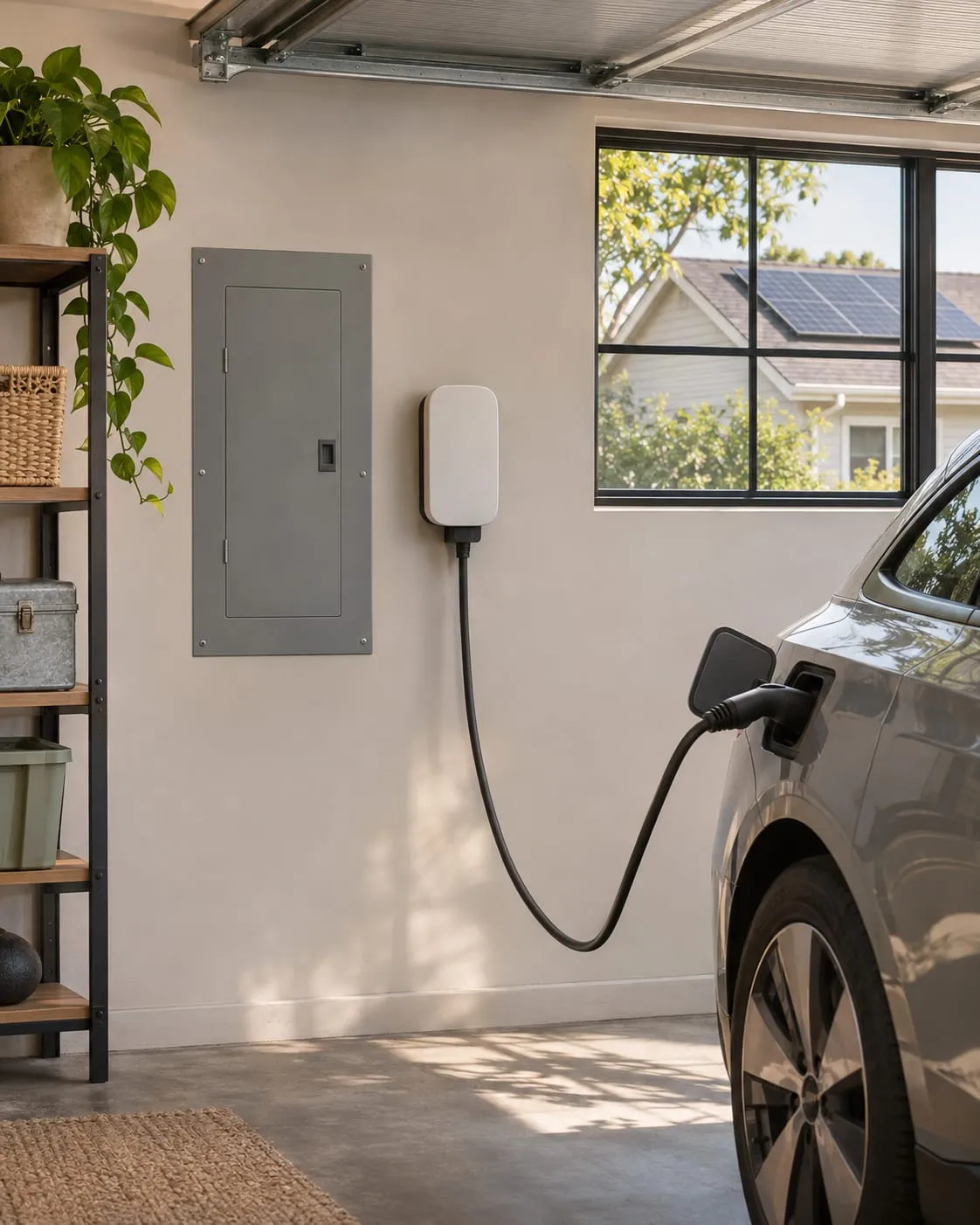 Illustrative scene
Pro EV Charger↗
●●● PremiumSolar homes and tight electrical panels
See on AmazonSpecs & who it’s for →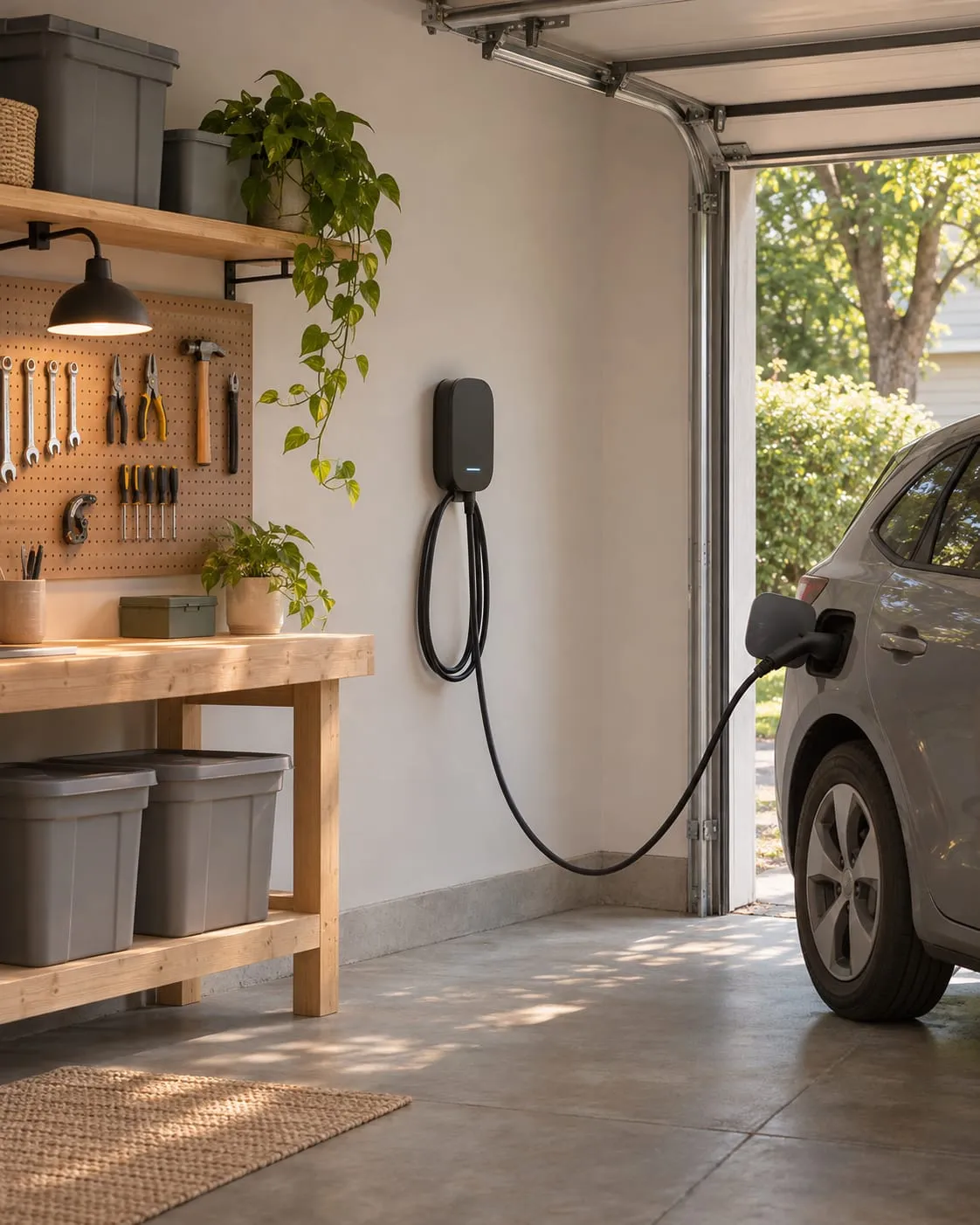 Illustrative scene
NEXUS Level 2↗
●○○ BudgetBudget wall unit, plug-in or hardwired
See on AmazonSpecs & who it’s for →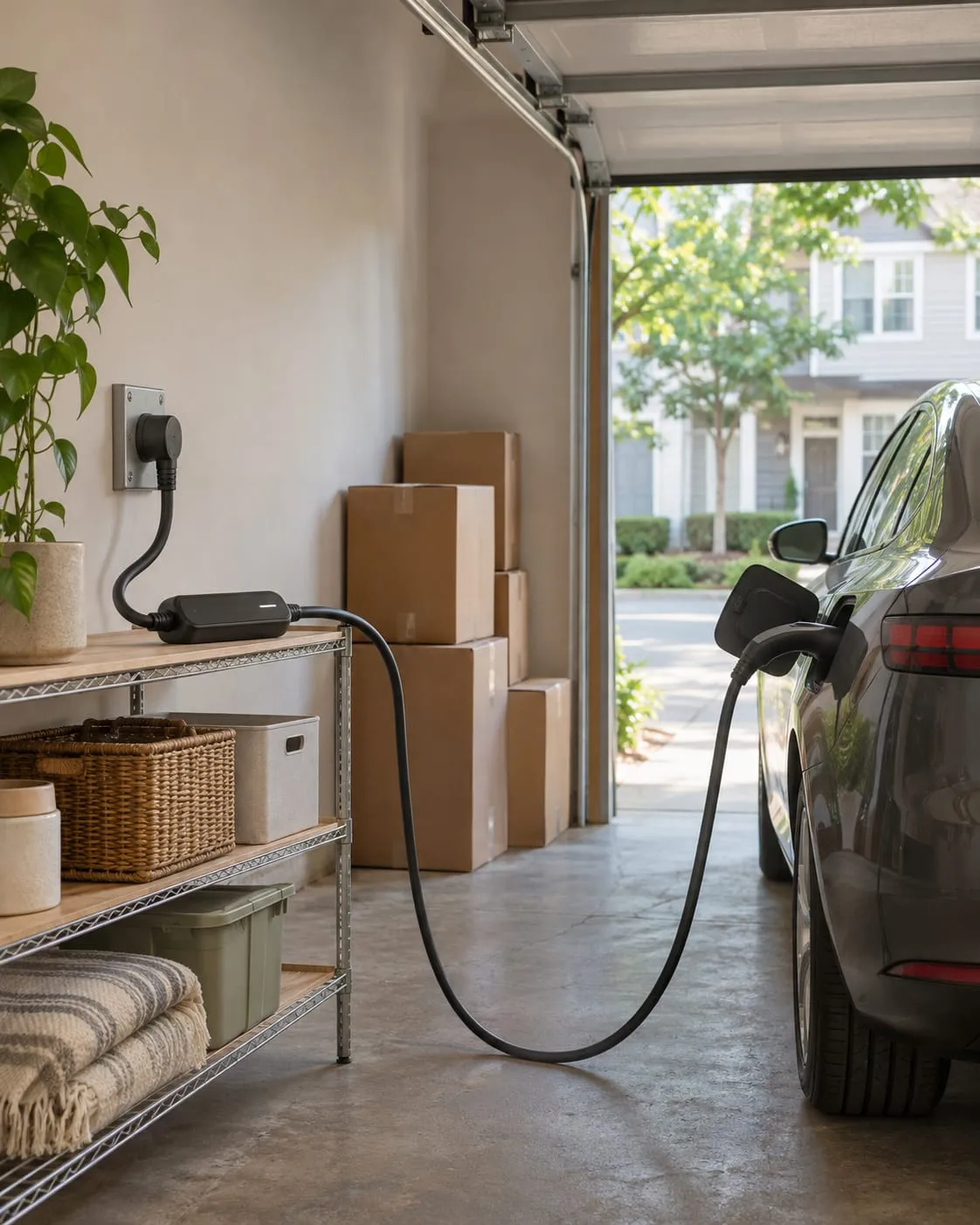
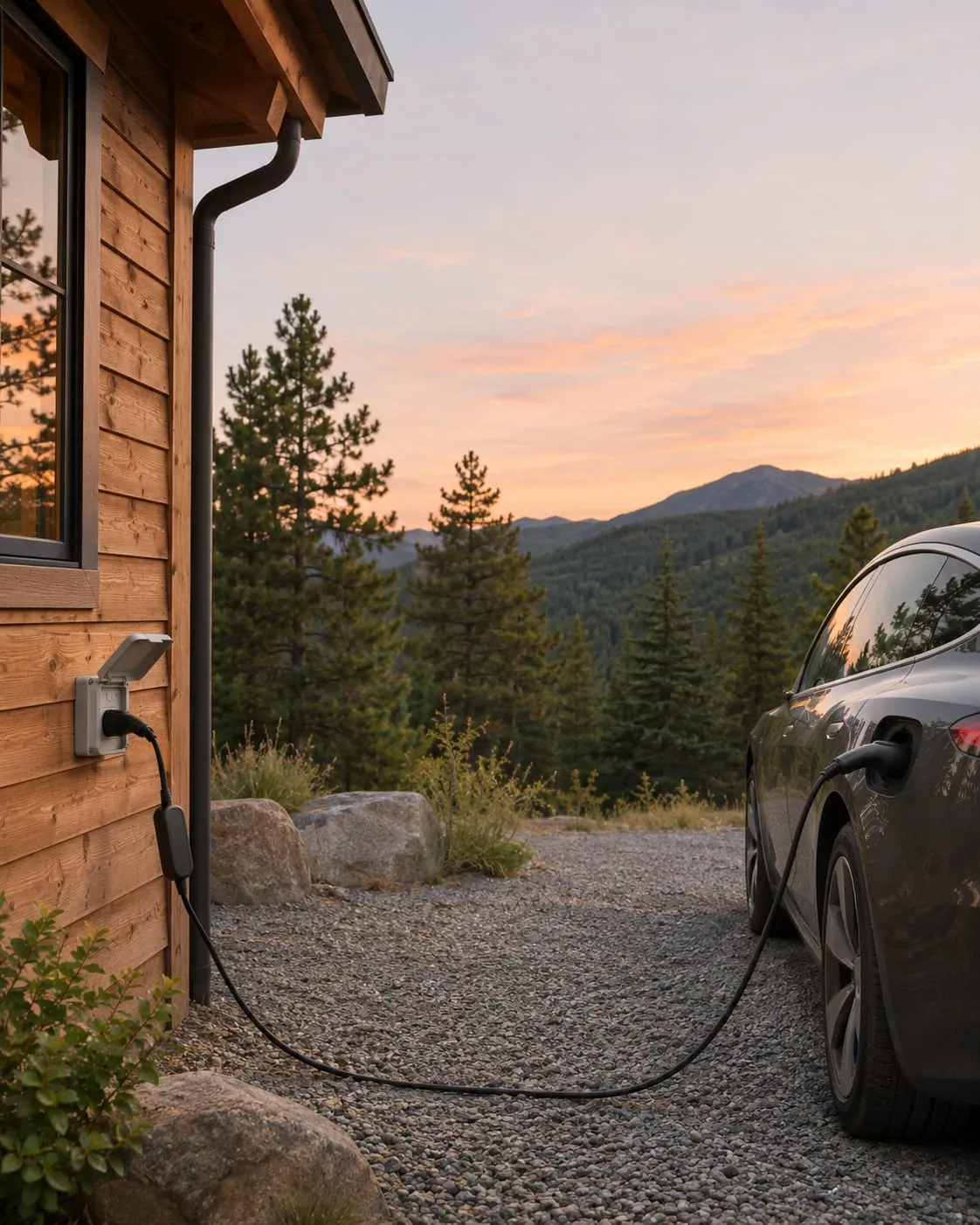 Illustrative scene
Mobile Connector (NACS)↗
●○○ BudgetTesla owners needing a travel cord
See on AmazonSpecs & who it’s for →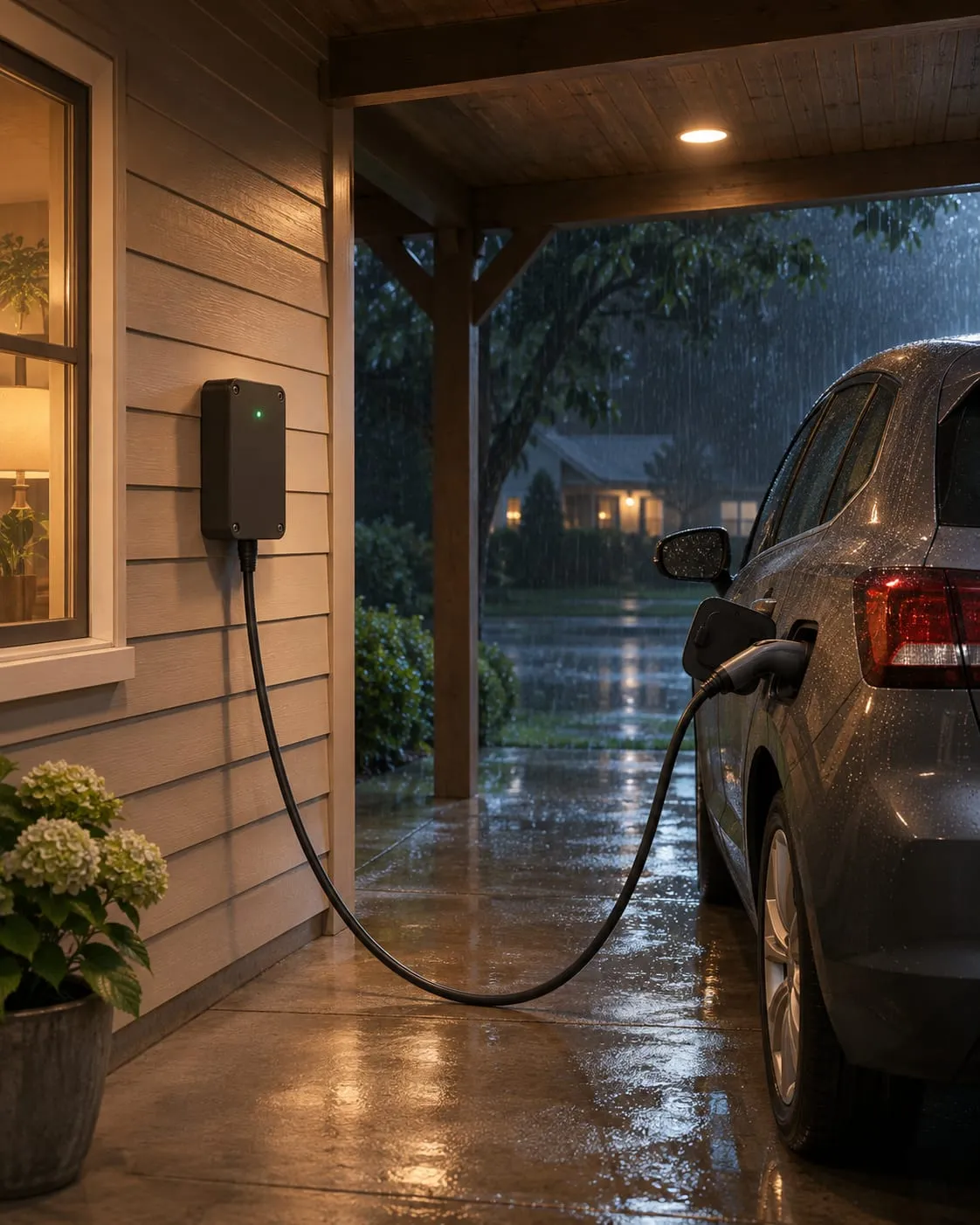 Illustrative scene
Classic Connect 40A↗
●●○ Mid-rangeRugged outdoor install with an app
See on AmazonSpecs & who it’s for →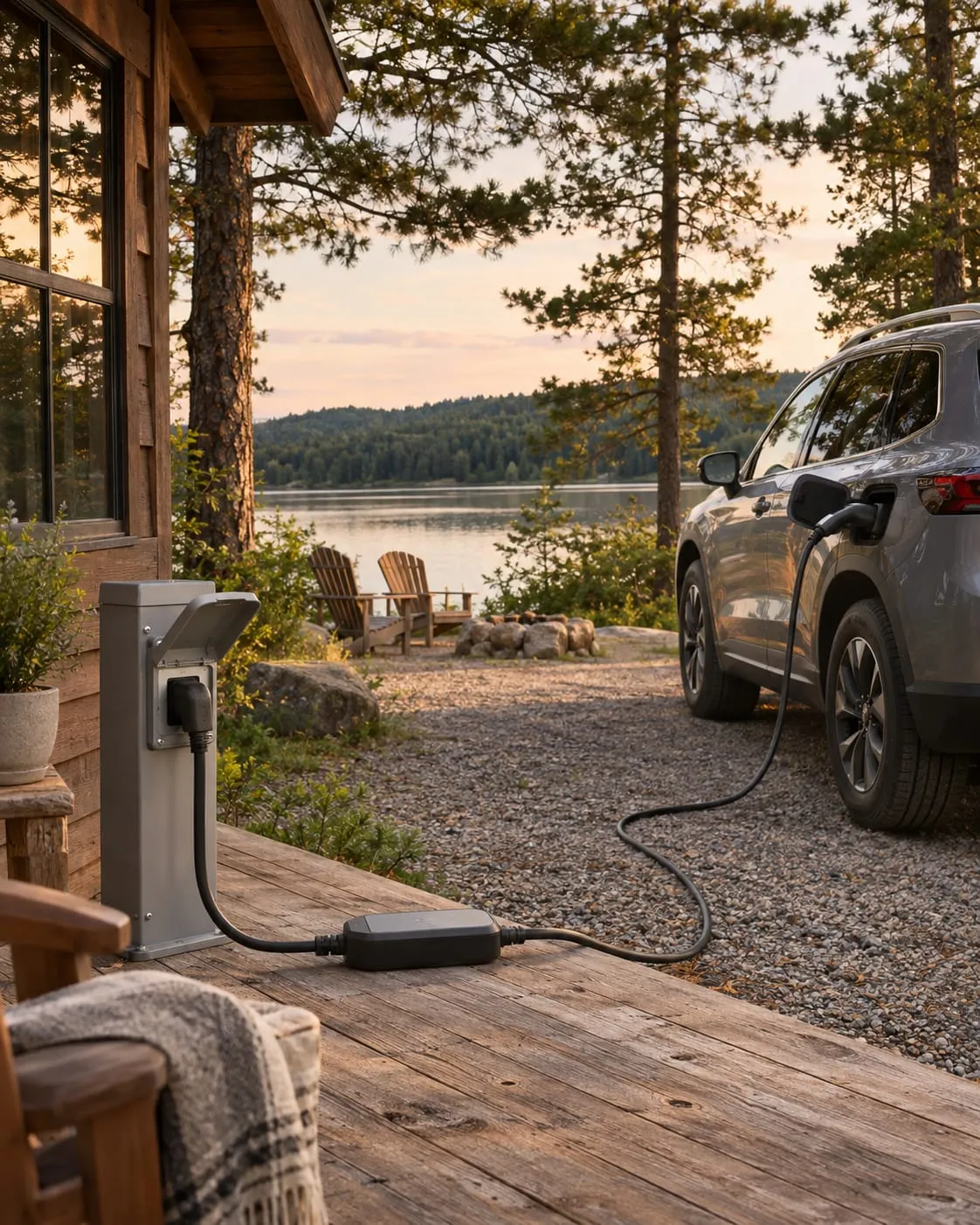 Illustrative scene
Mini Connect (portable)↗
●●○ Mid-rangeRenters and road trips
See on AmazonSpecs & who it’s for →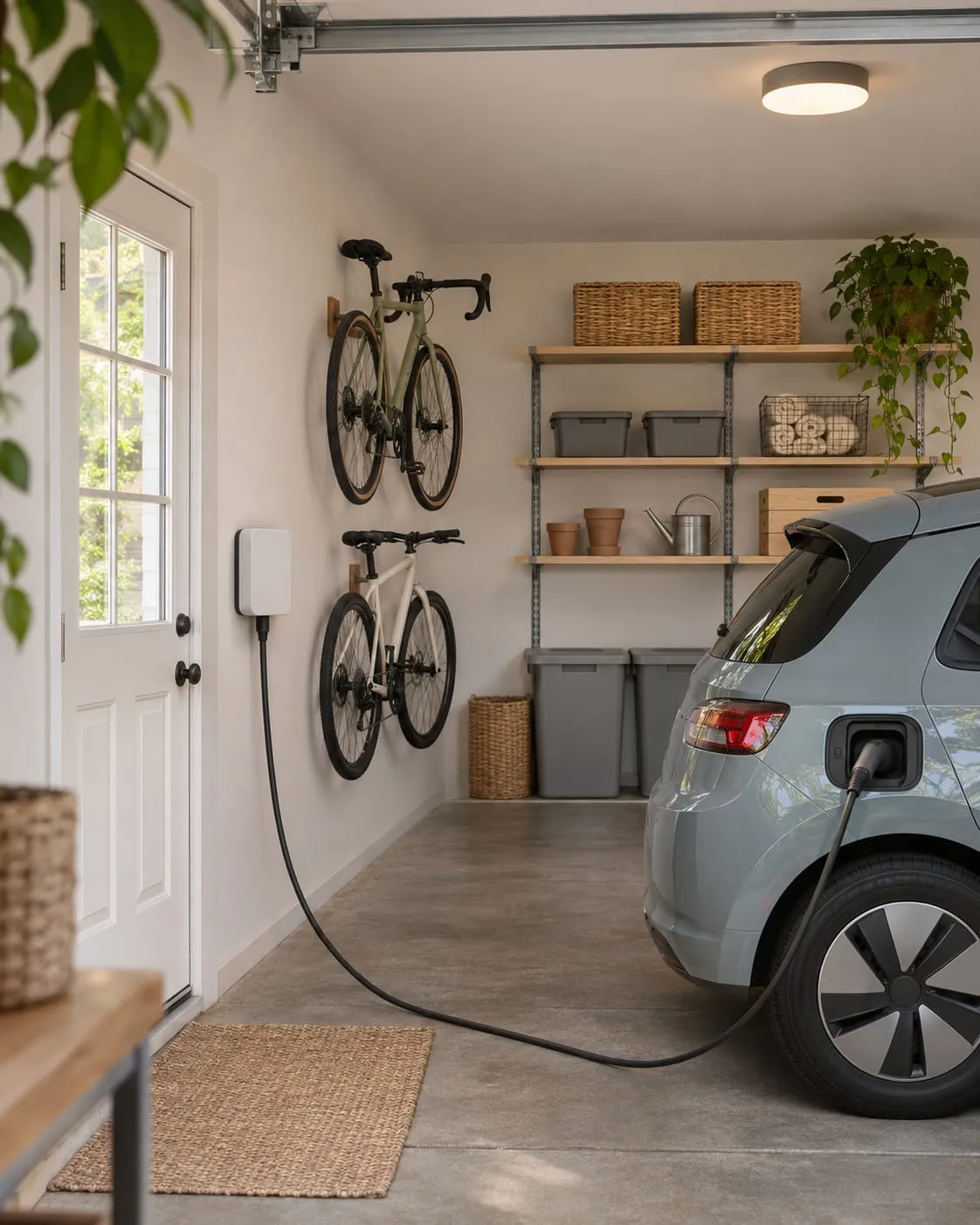 Illustrative scene
Pulsar Plus↗
●●○ Mid-rangeSmall garages, two EVs, solar add-on
See on AmazonSpecs & who it’s for →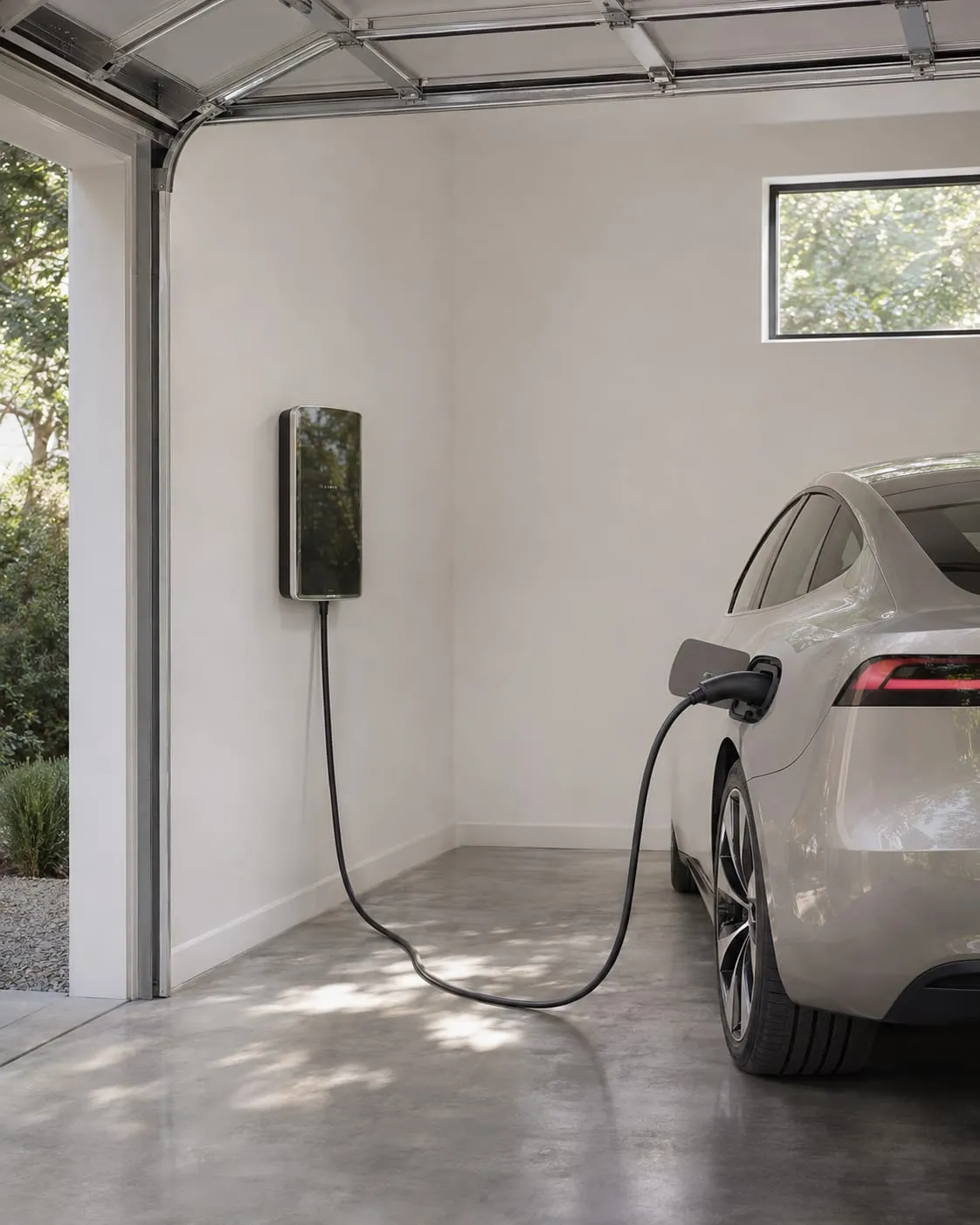
 Illustrative scene
MaxiCharger AC Elite Home↗
●●○ Mid-rangeMax power in very cold or hot climates
See on AmazonSpecs & who it’s for → Illustrative scene
Home 50↗
●●○ Mid-rangeHardwired 50 A with dual-band Wi-Fi
See on AmazonSpecs & who it’s for →
 Illustrative scene
Ultimate 80A↗
●●● PremiumBig batteries, big electrical service
See on AmazonSpecs & who it’s for →
Affiliate links: we may earn a commission at no cost to you. Prices aren’t listed — the retailer shows the current one. Disclosure
Charging accessories
Adapters, cable holders, pedestals and covers.
 Illustrative scene
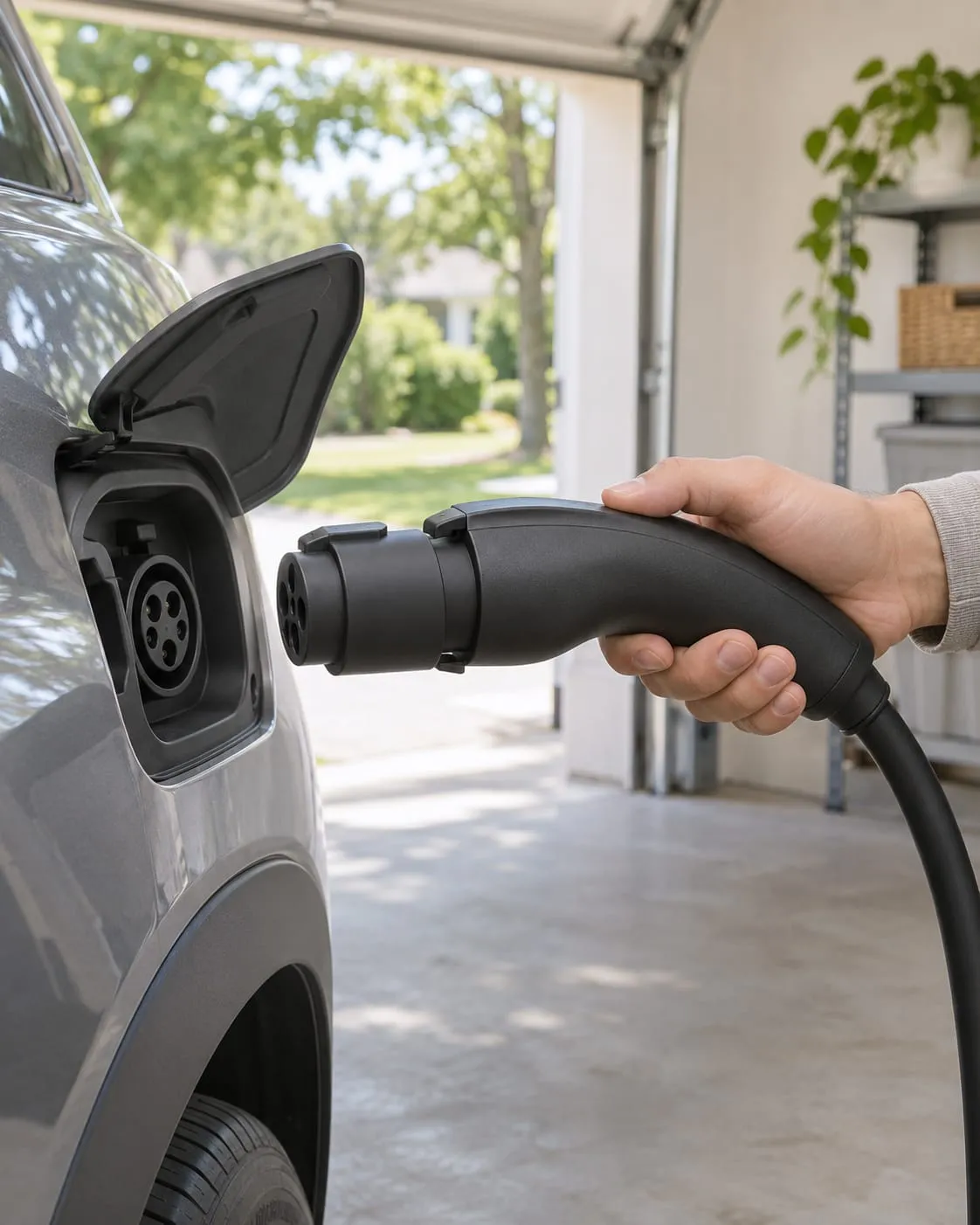
NACS to J1772 Adapter 80A↗
●●○ Mid-rangeJ1772 car, Tesla-style home charger
See on AmazonSpecs & who it’s for →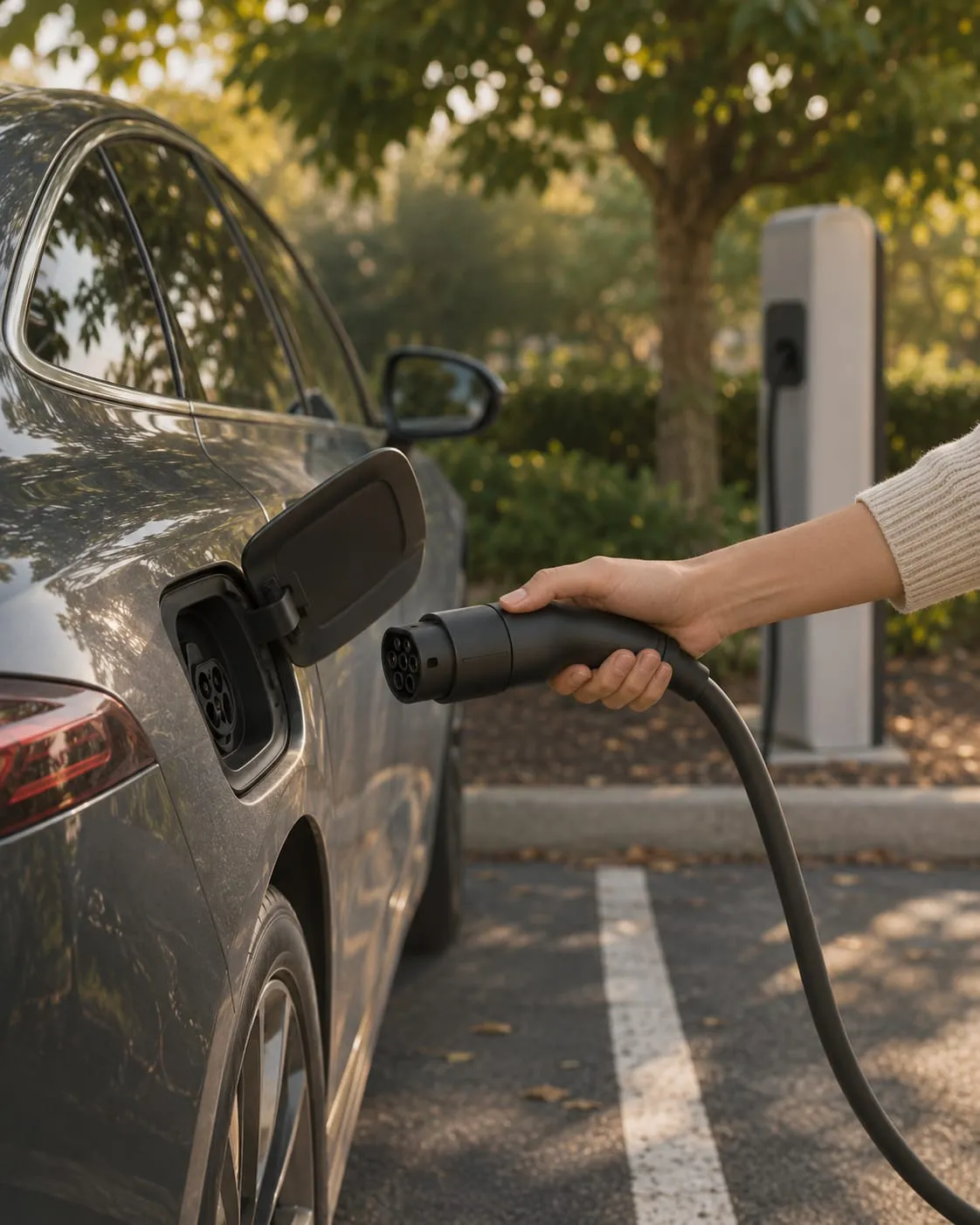 Illustrative scene
J1772 to NACS Adapter 80A↗
●●○ Mid-rangeTesla or NACS car, J1772 charger
See on AmazonSpecs & who it’s for →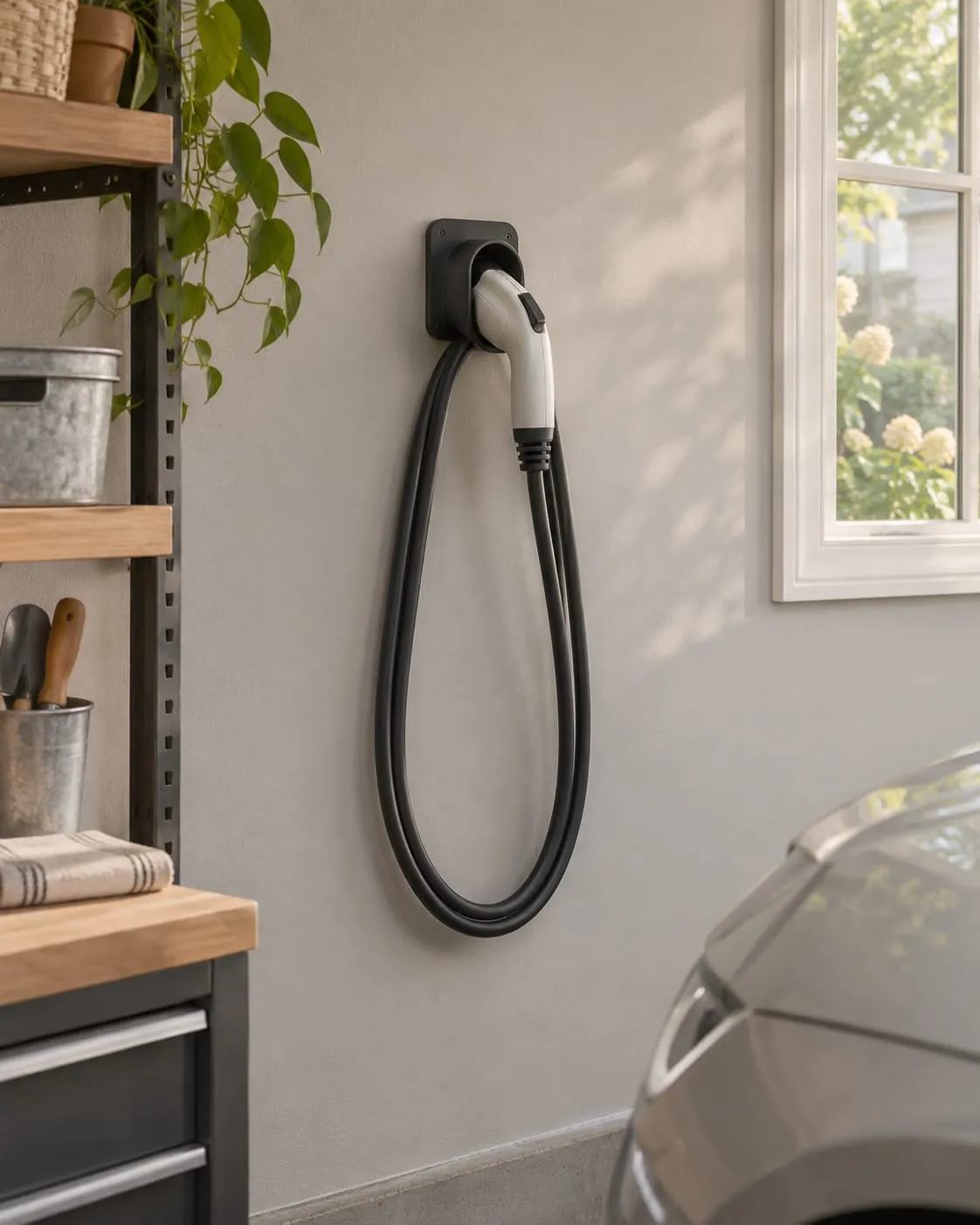
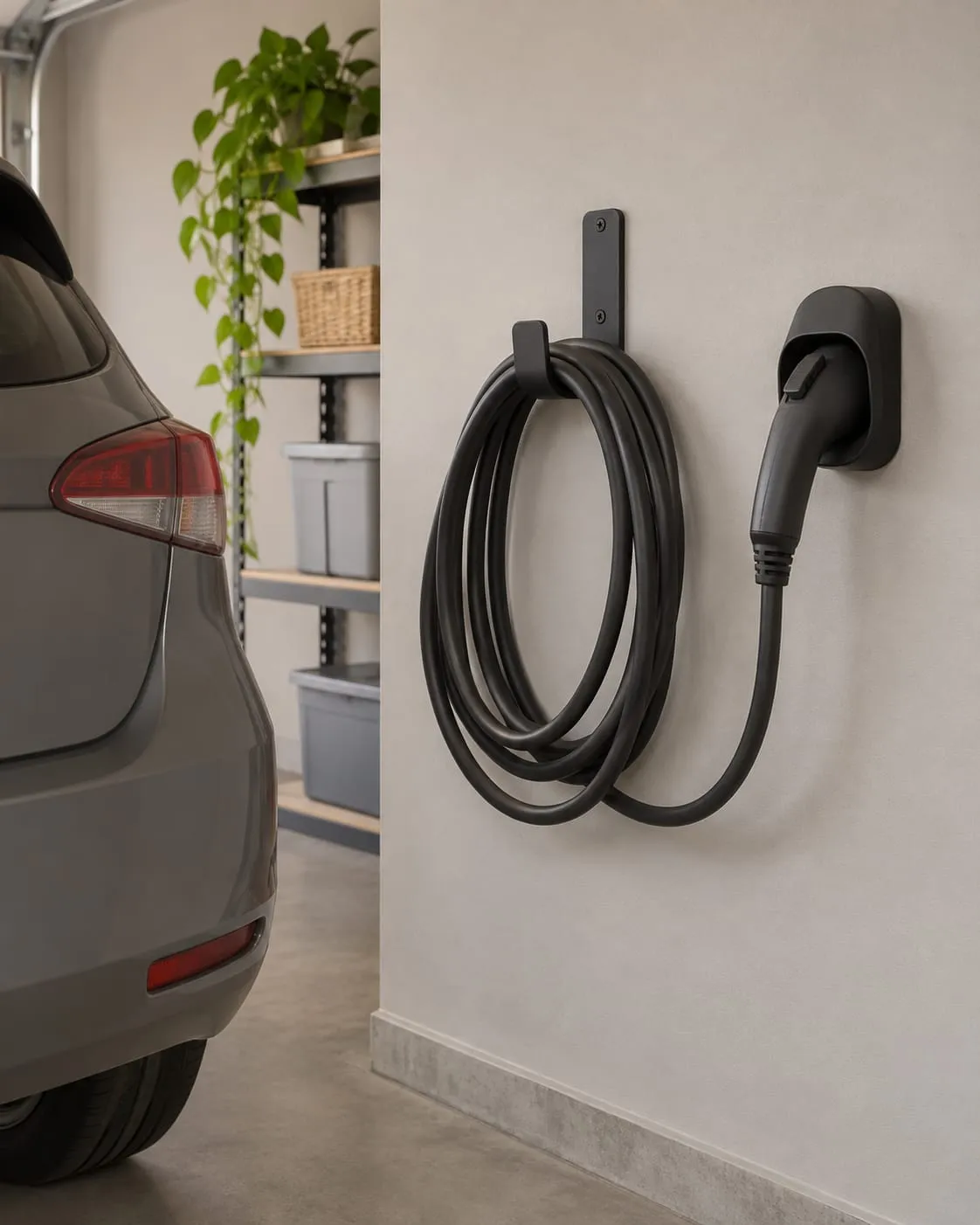 Illustrative scene
J1772 Dock + J-Hook↗
●○○ BudgetTidy garage with J1772 charger
See on AmazonSpecs & who it’s for →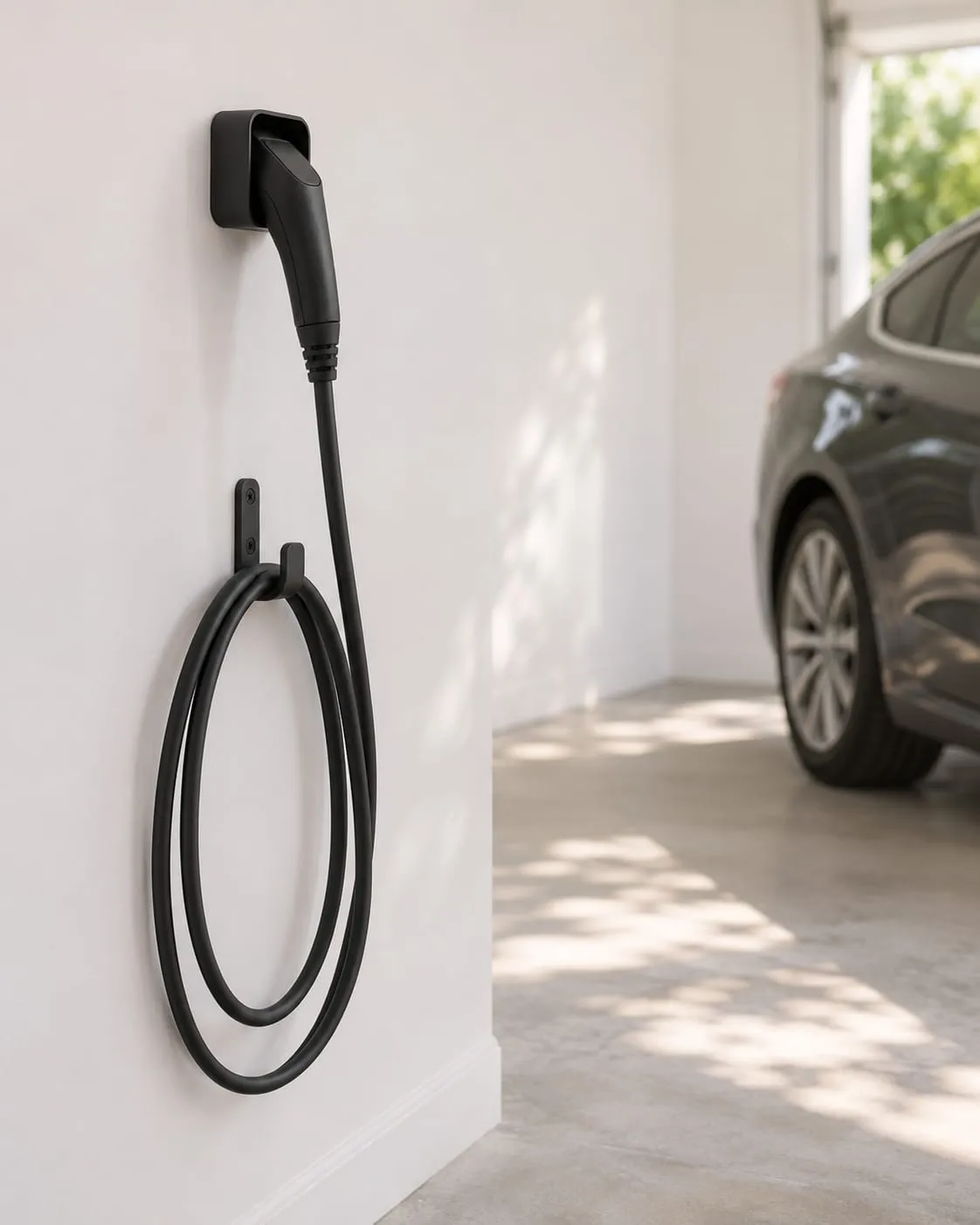 Illustrative scene
NACS Dock + J-Hook↗
●○○ BudgetTesla Mobile or Wall Connector
See on AmazonSpecs & who it’s for →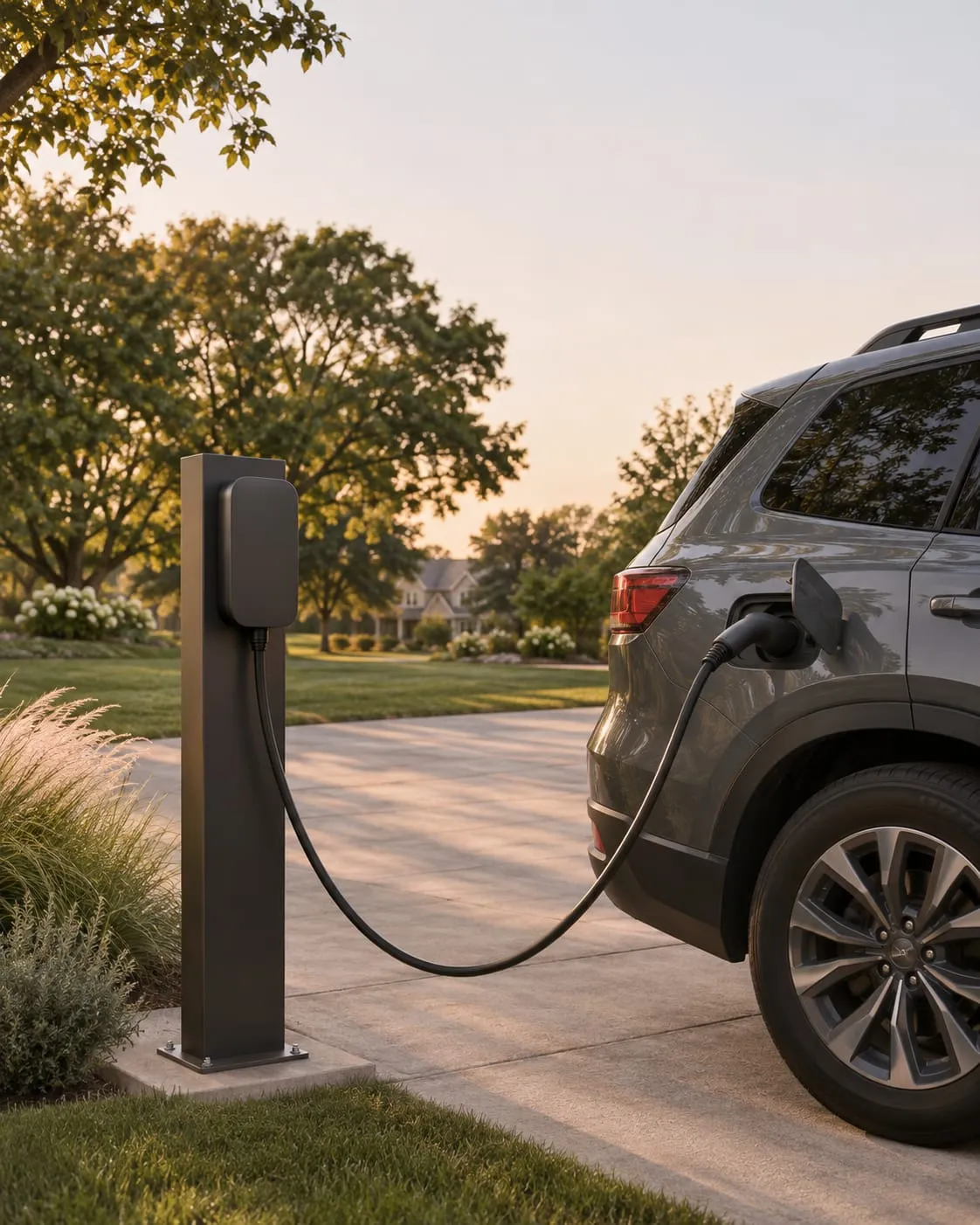 Illustrative scene
Eiffel Basic Pedestal (Mono)↗
●●● PremiumWallbox Pulsar charger, no wall
See on AmazonSpecs & who it’s for →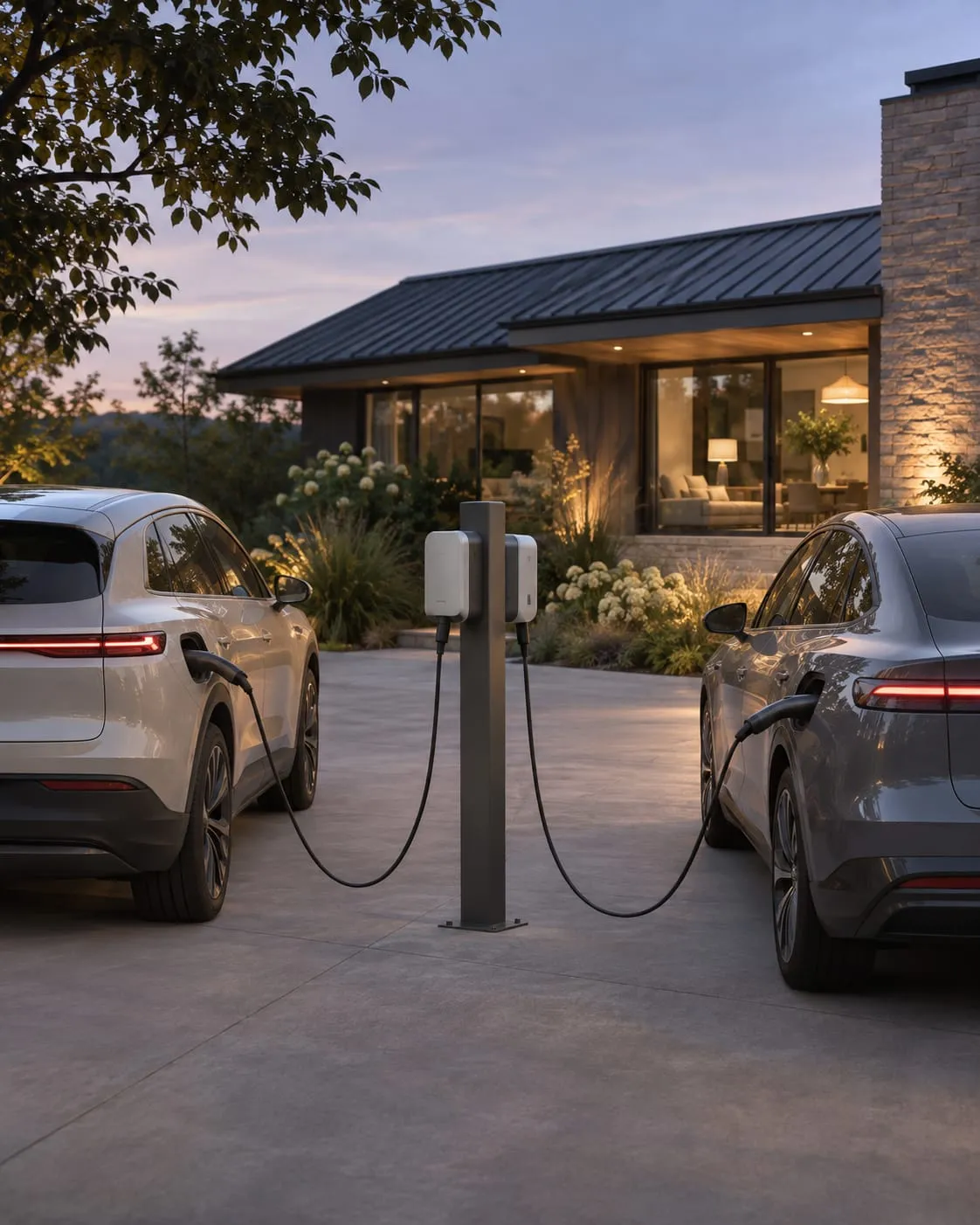 Illustrative scene
Eiffel Basic Pedestal (Dual)↗
●●● PremiumTwo Wallbox chargers, driveway
See on AmazonSpecs & who it’s for →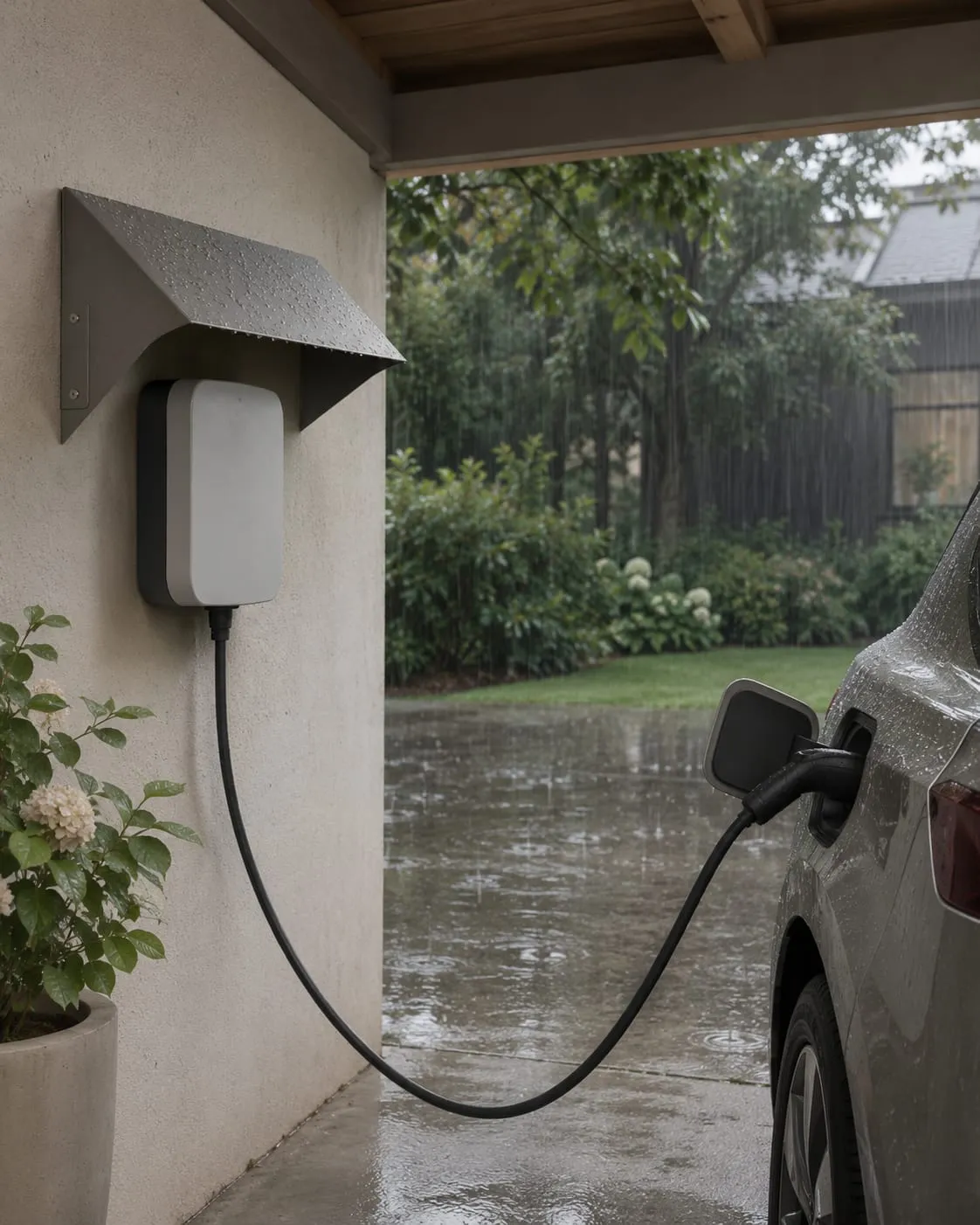 Illustrative scene
Rain Cover for Pulsar / Eiffel Basic↗
●●○ Mid-rangeOutdoor Wallbox Pulsar install
See on AmazonSpecs & who it’s for →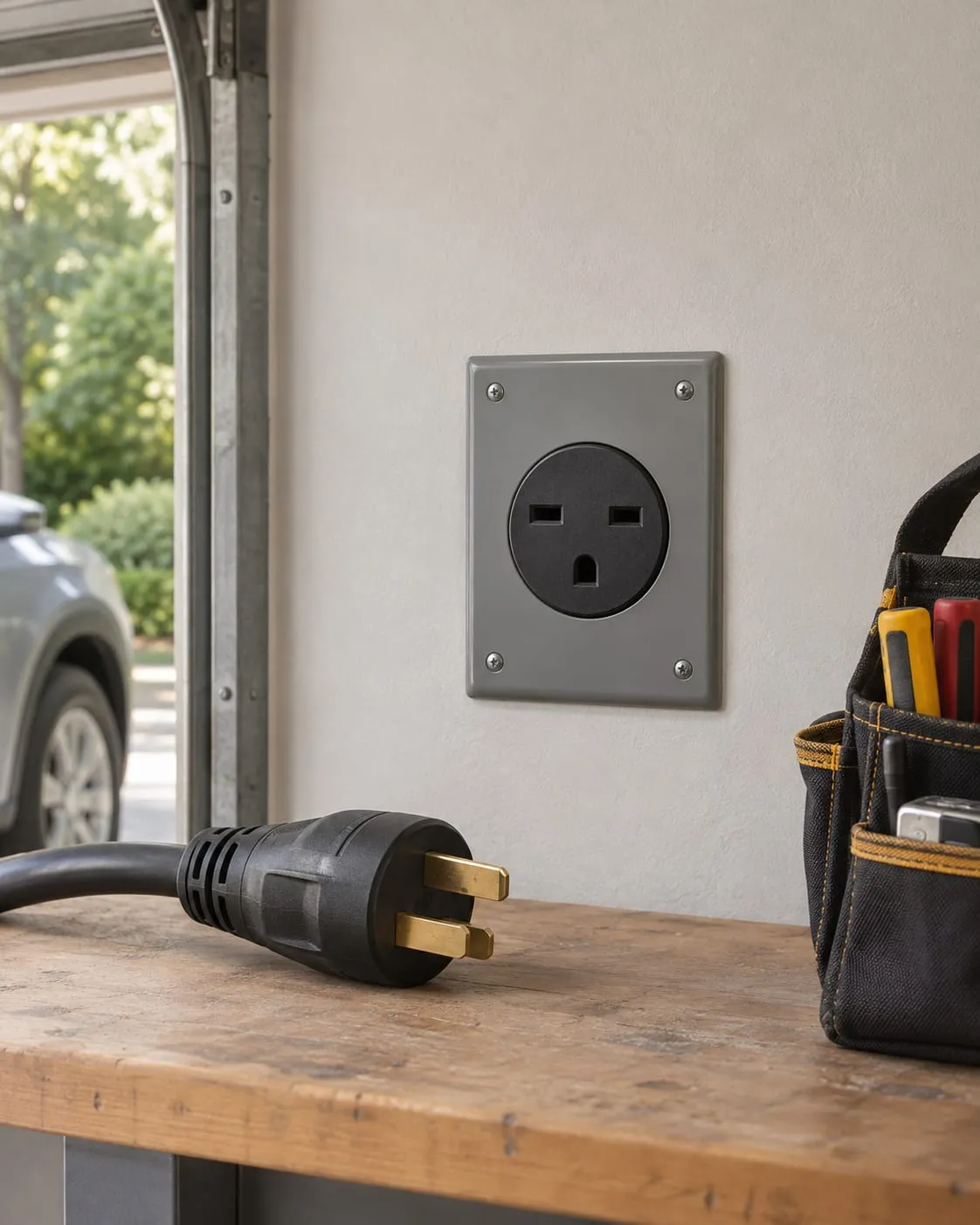 Illustrative scene
HBL9450A 14-50R Receptacle↗
●●○ Mid-rangePlug-in charger on NEMA 14-50
See on AmazonSpecs & who it’s for → Illustrative scene
Protective Case for EV Adapters↗
●○○ BudgetKeeping an adapter in the car
See on AmazonSpecs & who it’s for →Affiliate links: we may earn a commission at no cost to you. Prices aren’t listed — the retailer shows the current one. Disclosure
Related guides
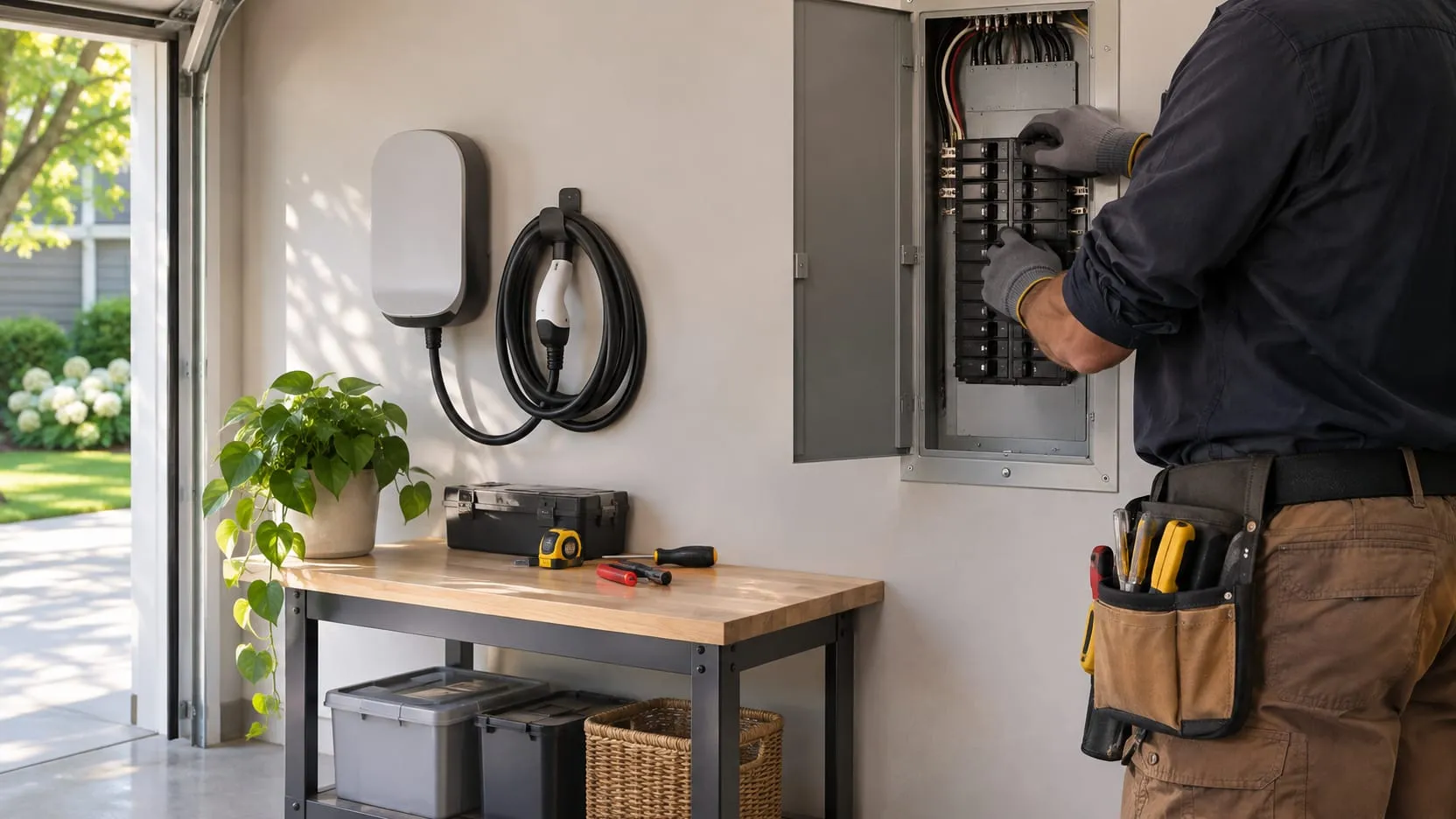
What size breaker does a home EV charger need?
Why a 40 A charger usually goes on a 50 A circuit and a 48 A charger on 60 A — the 125% rule explained, and what to ask your electrician.
The best 40-amp EV chargers for home
40 A is the most a plug-in charger can deliver on a NEMA 14-50 outlet. 40-amp chargers compared on maker specs — weather rating, app, cable, connector.
Get the home-charging checklist
What to ask your electrician, which amps your car can really use, and new charger comparisons when they launch. No spam, unsubscribe anytime.