
The best EV chargers for a 100 amp panel
This page contains affiliate links. If you buy through them we may earn a commission, at no cost to you. As an Amazon Associate, GroveVolt earns from qualifying purchases. Learn more
Quick picks
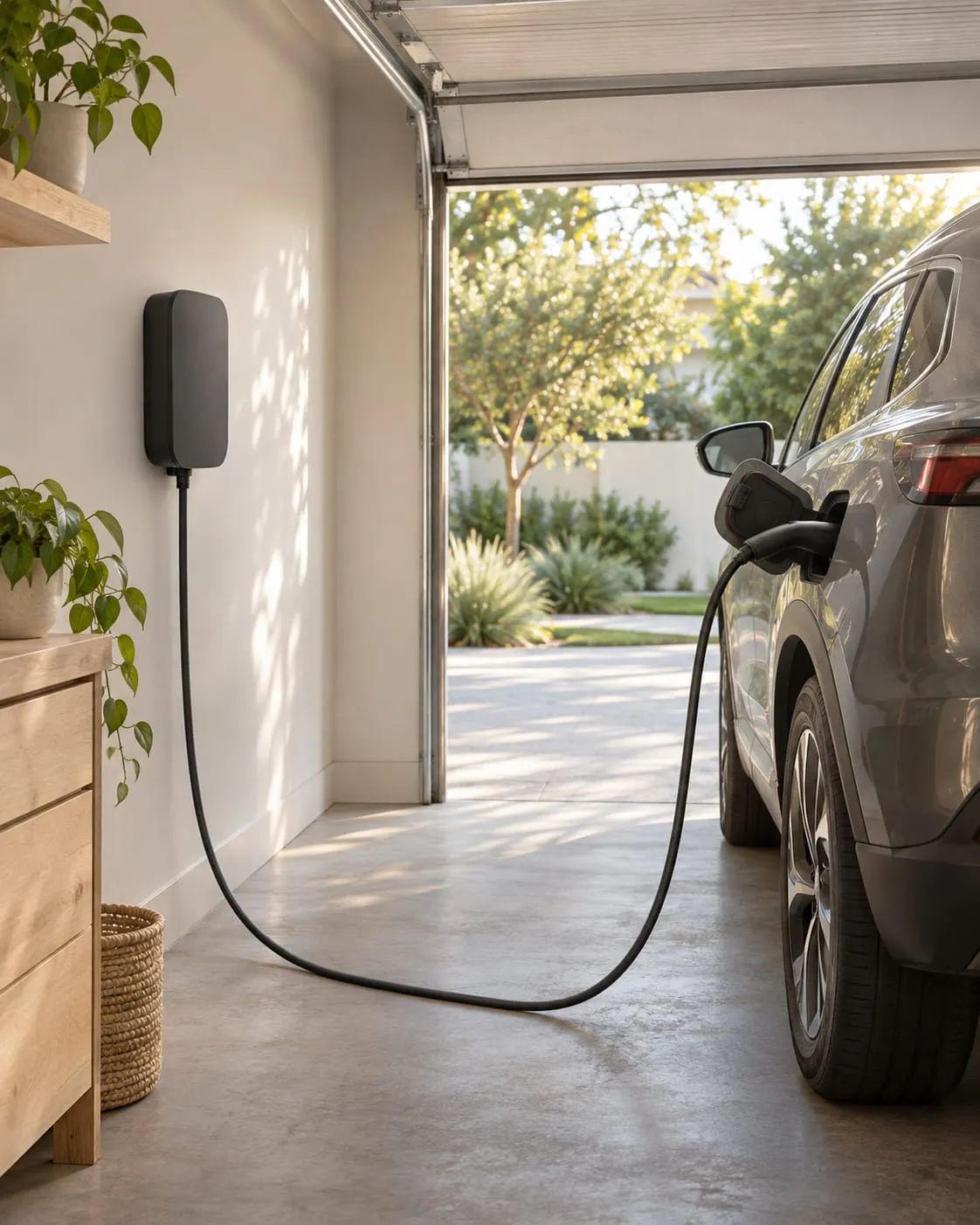 Illustrative scene
Home Flex↗
●●● PremiumOne flexible charger for any install
See on AmazonSpecs & who it’s for →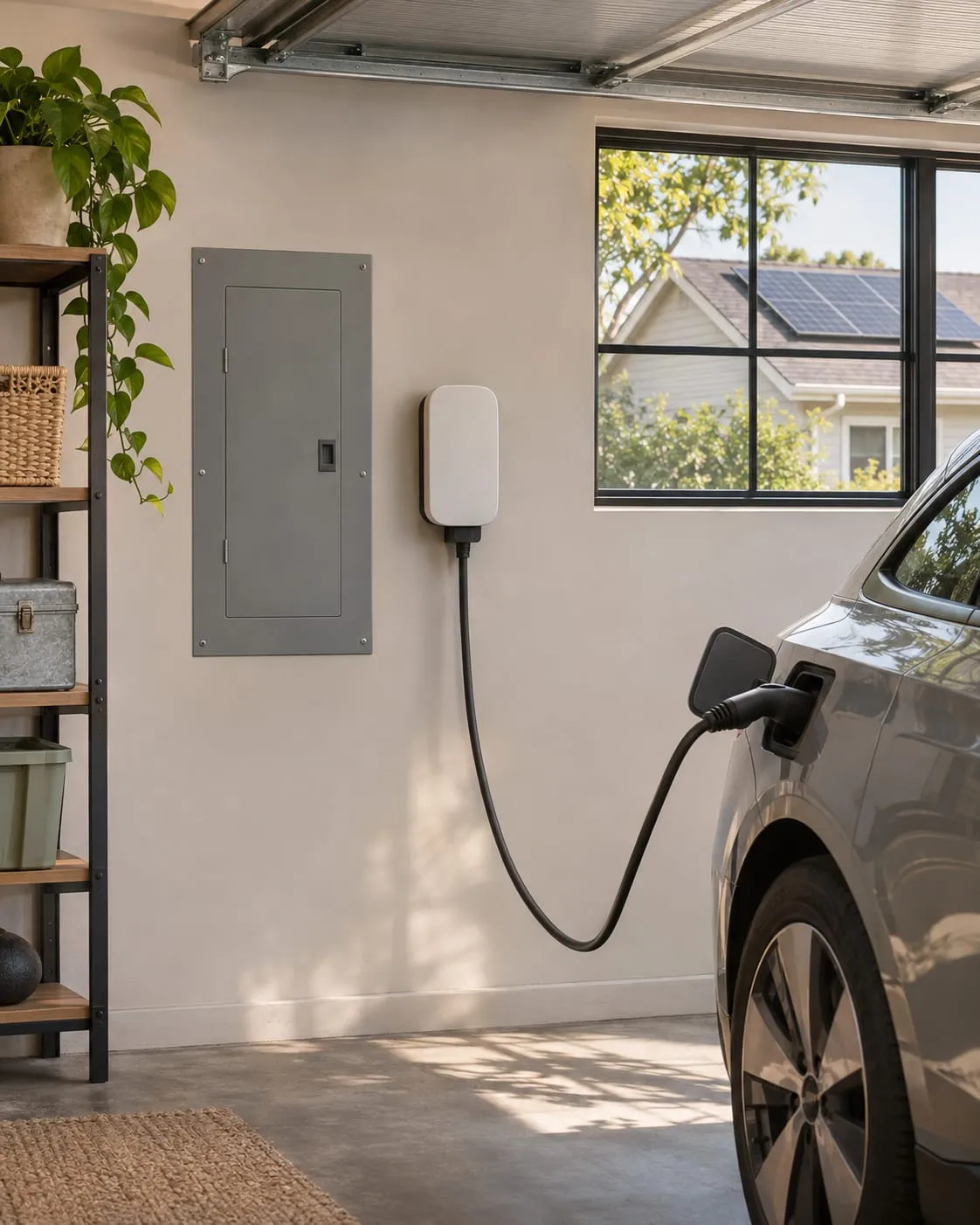 Illustrative scene
Pro EV Charger↗
●●● PremiumSolar homes and tight electrical panels
See on AmazonSpecs & who it’s for →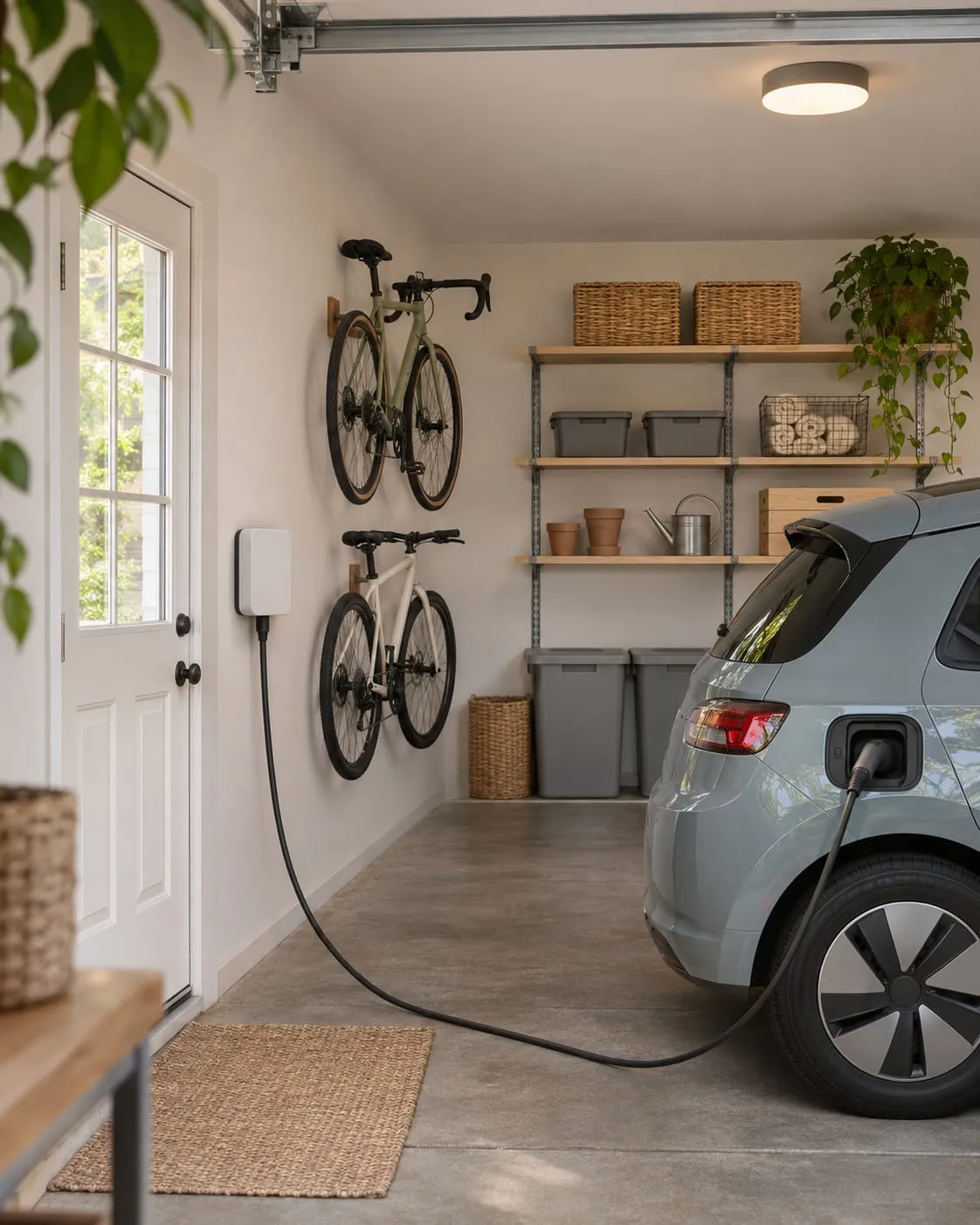 Illustrative scene
Pulsar Plus↗
●●○ Mid-rangeSmall garages, two EVs, solar add-on
See on AmazonSpecs & who it’s for →
The short answer
A 100 amp panel doesn’t rule out a home charger. A licensed electrician runs a load calculation (NEC Article 220) first, then picks one of three routes — a lower-amp charger setting, load management, or a panel upgrade. The ChargePoint Home Flex (16–50 A) suits the lower-setting route; the Emporia Pro, Wallbox Pulsar Plus and Enphase IQ EV Charger 2 cover load management.
Illustrative sceneHome Flex
A flexible 16–50 A smart charger that comes as a NEMA 14-50 or 6-50 plug-in (up to 40 A) or a hardwired unit (up to 50 A), with J1772 or NACS.
Specs side by side
| Model | Tier | Max current | Max power | Adjustable range | Connector |
|---|---|---|---|---|---|
| Home Flex ChargePoint | Premium | 50 A | 12 kW | 16–50 A (plug-in models 32 or 40 A) | J1772 or NACS versions |
| Pro EV Charger Emporia | Premium | 48 A | 11.5 kW | Not stated by maker | J1772 or NACS versions |
| Pulsar Plus Wallbox | Mid-range | 48 A | 11.5 kW | 6 A to rated current (software) | J1772 or NACS versions |
| IQ EV Charger 2 Enphase | Premium | 48 A | 11.5 kW | 6–40 A plug-in / 6–48 A hardwired, 1 A steps | J1772 (plug-in); J1772 or NACS (hardwired) |
Specs from manufacturer pages and manuals. Prices change often, so we don’t list them. Compare these in full.
Three routes for a 100 amp panel
| Route | What it means | Chargers to compare |
|---|---|---|
| Lower-amp setting | Run a smaller circuit and set the charger to match | ChargePoint Home Flex (16–50 A) |
| Load management | Charger slows down when the house is busy | Emporia Pro (PowerSmart), Wallbox Pulsar Plus, Enphase IQ EV Charger 2 |
| Panel upgrade | More capacity at the panel | Any charger — your electrician decides |
Your electrician picks the route after the load calculation. These are maker specs, not a sizing recommendation.
How to choose
- Ask for a load calculation first. A licensed electrician follows NEC Article 220 to see how much spare capacity the panel has.
- Match the charger to the answer. If the spare capacity is modest, an adjustable charger set to a lower amperage may be enough. A 32 A setting still adds a lot of range overnight.
- Consider load management if you want a higher setting most of the time. Wallbox says its dynamic management may need a power meter; Enphase lists home load balancing; Emporia’s PowerSmart works through the included monitor.
- Check the plug or hardwire option. The Home Flex comes as a plug-in (up to 40 A) or hardwired (up to 50 A) unit.
- Have a licensed electrician install it, with a permit where required. Breaker size and any panel work are their call.
Which pick for which owner
- Want the simplest lower-amp setup: ChargePoint Home Flex. The maker lists 16–50 A.
- Tight panel, want it managed automatically: Emporia Pro. The maker says PowerSmart can help avoid a panel upgrade — ask your electrician.
- Small garage: Wallbox Pulsar Plus, with static and dynamic load management.
- Solar on the roof: Enphase IQ EV Charger 2, with home load balancing and solar-surplus charging.
Not sure? Take the 5-question quiz
FAQ
Can I install an EV charger on a 100 amp panel?
Often yes, but it depends on what else the house runs (electric range, dryer, heat, air conditioning). Your electrician’s load calculation decides, and local code applies.
Will I need a panel upgrade?
Not always. A lower-amp setting or load management can fit a charger into the capacity you have. If the calculation still doesn’t work, your electrician may recommend an upgrade.
What is load management?
The charger or an energy monitor watches the home’s total use and turns charging down when the panel is busy. Check each maker’s page for what hardware is needed.
Sources
- ChargePoint Home Flex datasheet (CPH50)
- Emporia Pro EV charger product page
- Wallbox Pulsar Plus (US) product page
- Enphase IQ EV Charger 2 product page
This guide is compiled from manufacturer specifications, not hands-on testing. See how we research.
More chargers to compare
Other models we cover, swipe or use the arrows.
 Illustrative scene
Universal Wall Connector↗
●●○ Mid-rangeMixed Tesla and non-Tesla garages
See on AmazonSpecs & who it’s for →
 Illustrative scene
NEXUS Level 2↗
●○○ BudgetBudget wall unit, plug-in or hardwired
See on AmazonSpecs & who it’s for → Illustrative scene
Level 2 Charger 48A↗
●○○ BudgetLow-cost hardwired smart charging
See on AmazonSpecs & who it’s for →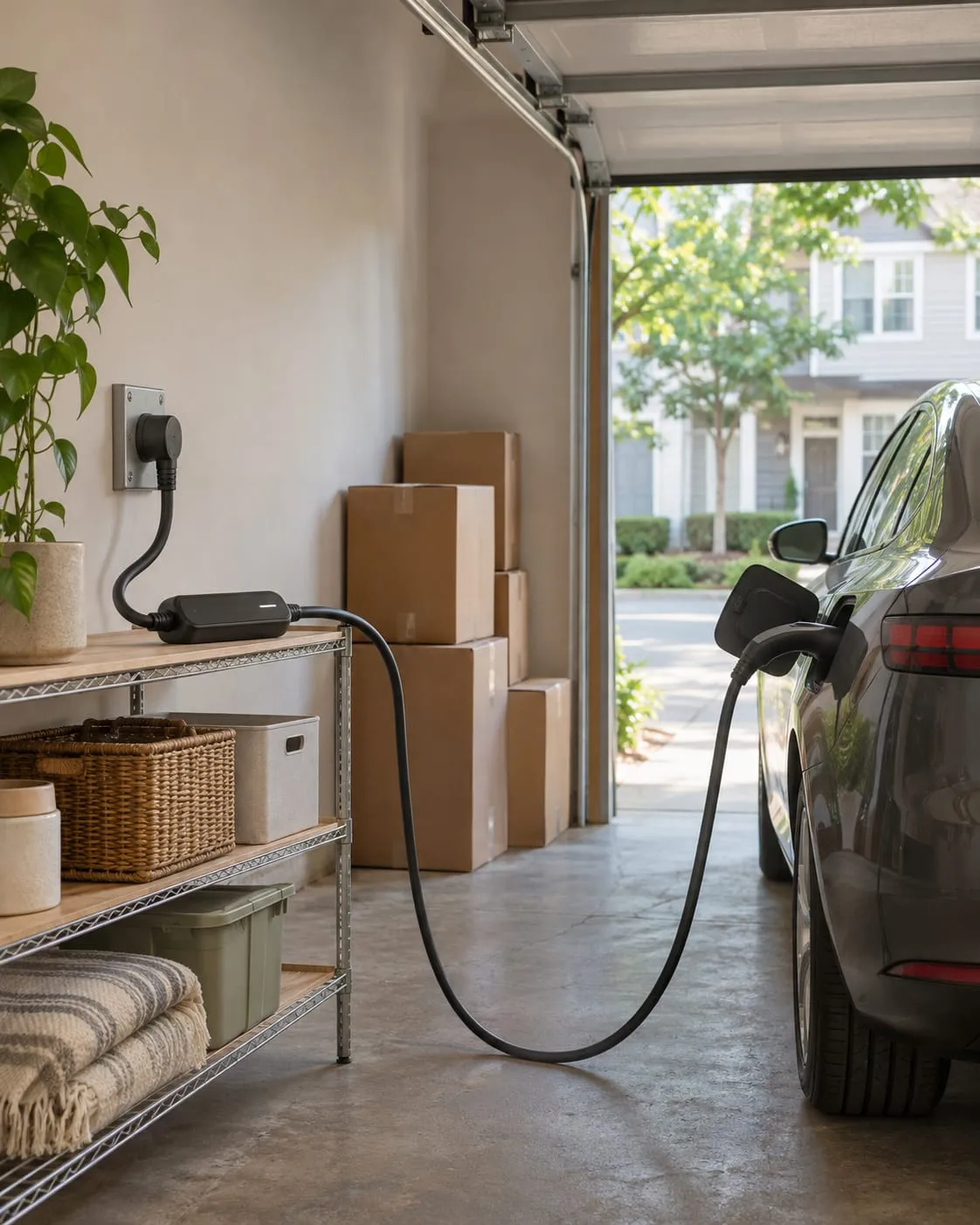
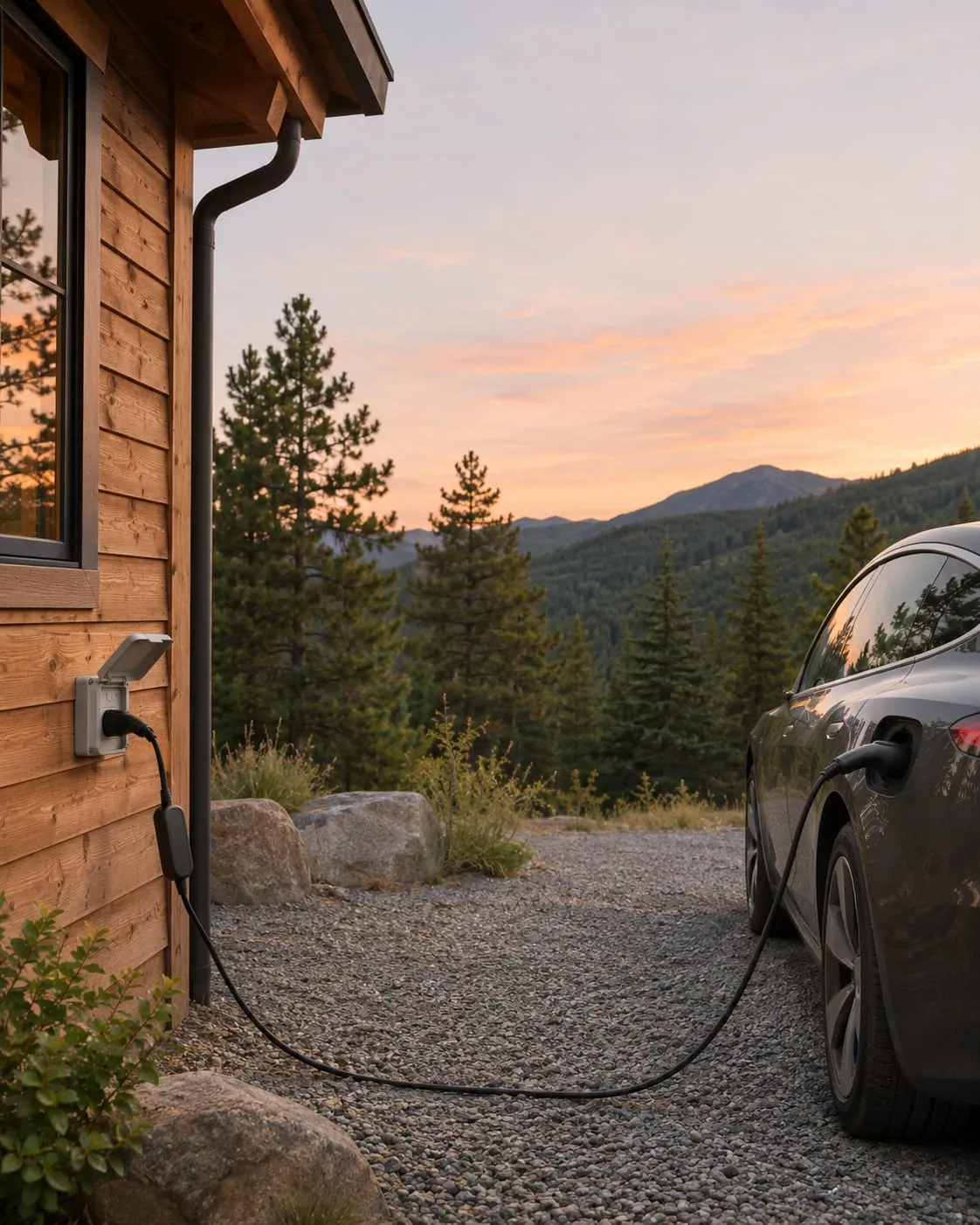 Illustrative scene
Mobile Connector (NACS)↗
●○○ BudgetTesla owners needing a travel cord
See on AmazonSpecs & who it’s for →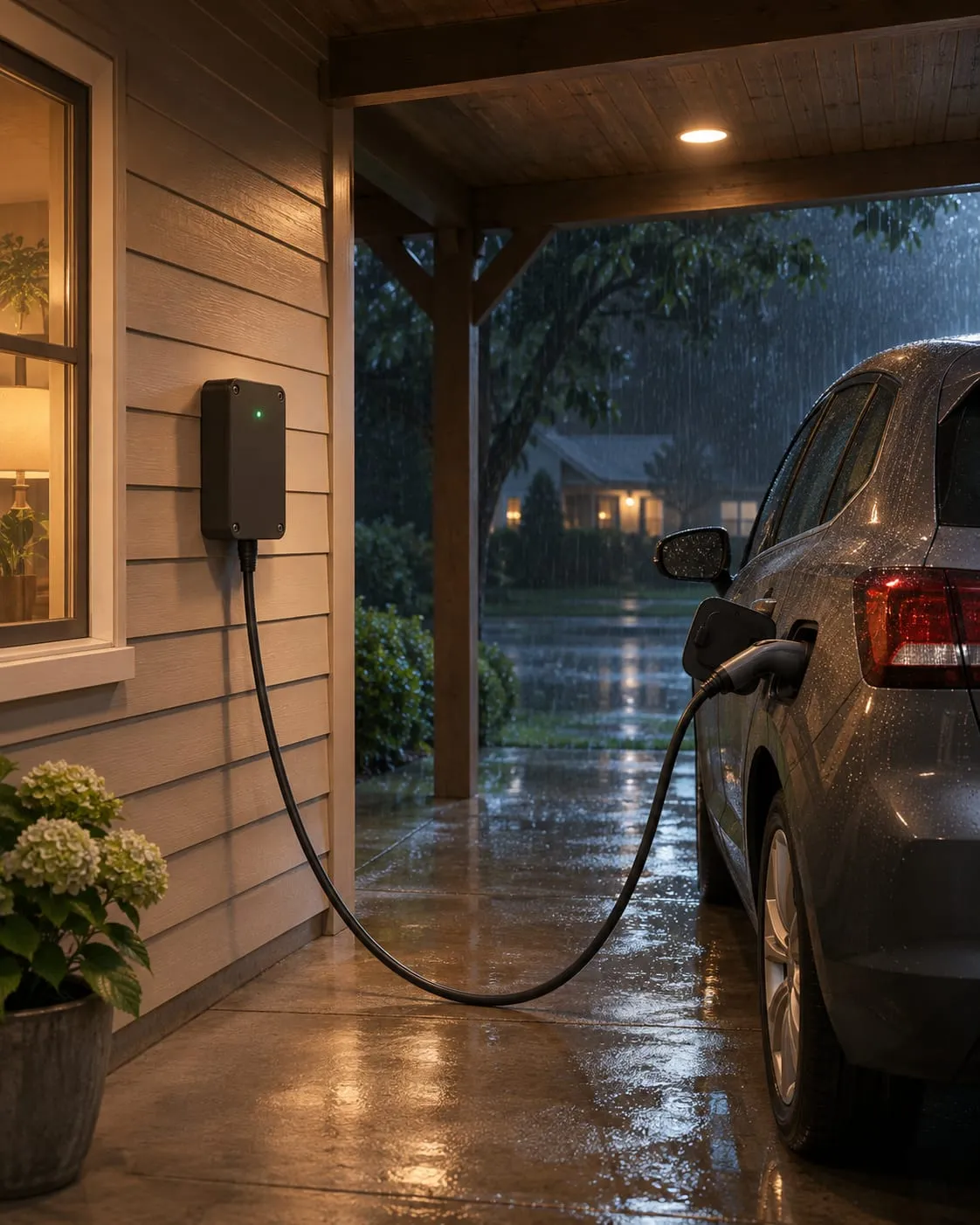 Illustrative scene
Classic Connect 40A↗
●●○ Mid-rangeRugged outdoor install with an app
See on AmazonSpecs & who it’s for →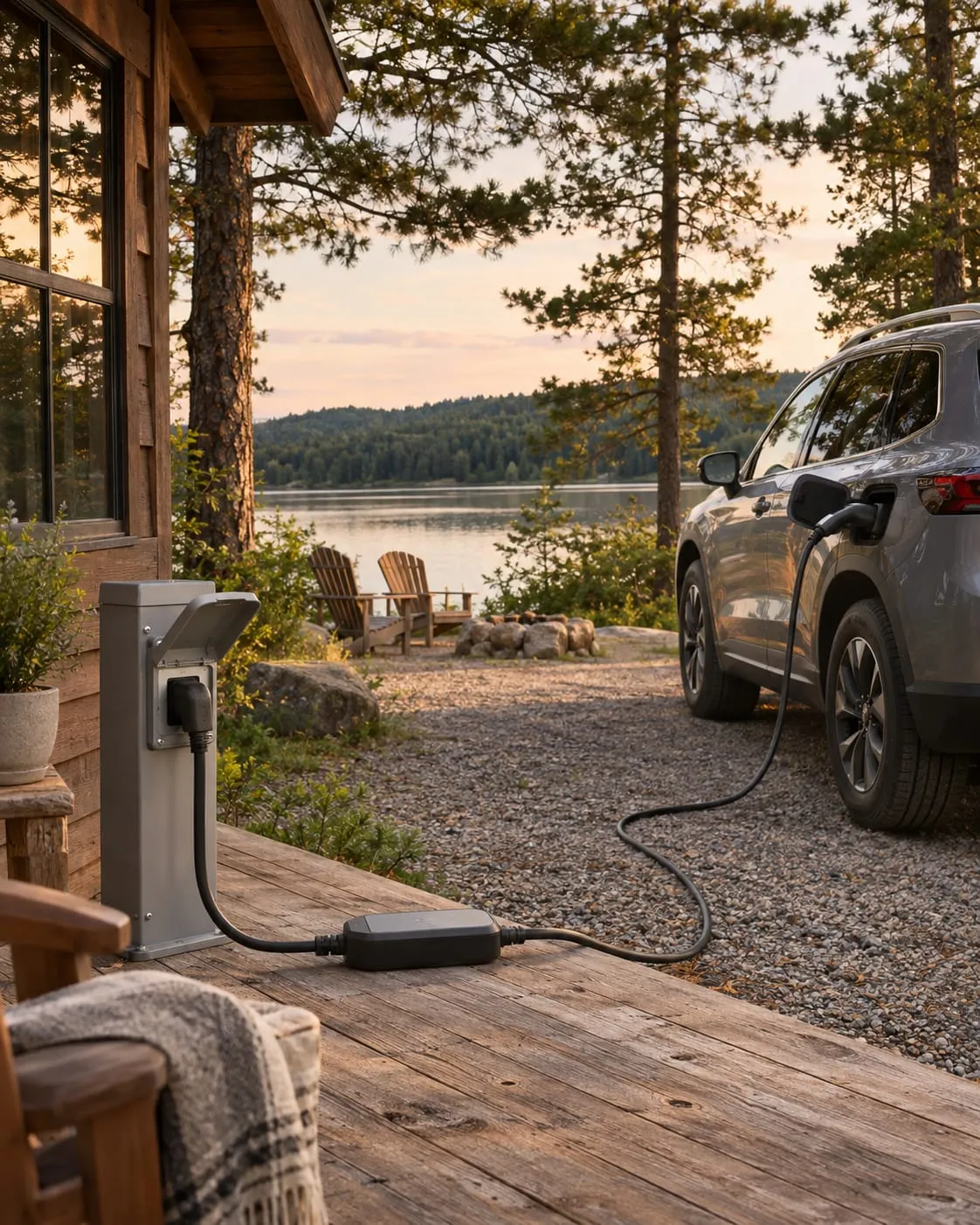 Illustrative scene
Mini Connect (portable)↗
●●○ Mid-rangeRenters and road trips
See on AmazonSpecs & who it’s for →
 Illustrative scene
MaxiCharger AC Elite Home↗
●●○ Mid-rangeMax power in very cold or hot climates
See on AmazonSpecs & who it’s for → Illustrative scene
Classic EV Charger↗
●●○ Mid-rangeSmart charging without paying for Pro
See on AmazonSpecs & who it’s for → Illustrative scene
Ultimate 48A↗
●●○ Mid-rangeHardwired 48 A in harsh weather
See on AmazonSpecs & who it’s for → Illustrative scene
EV48W Smart 48A↗
●●○ Mid-rangeLeviton smart-home households
See on AmazonSpecs & who it’s for →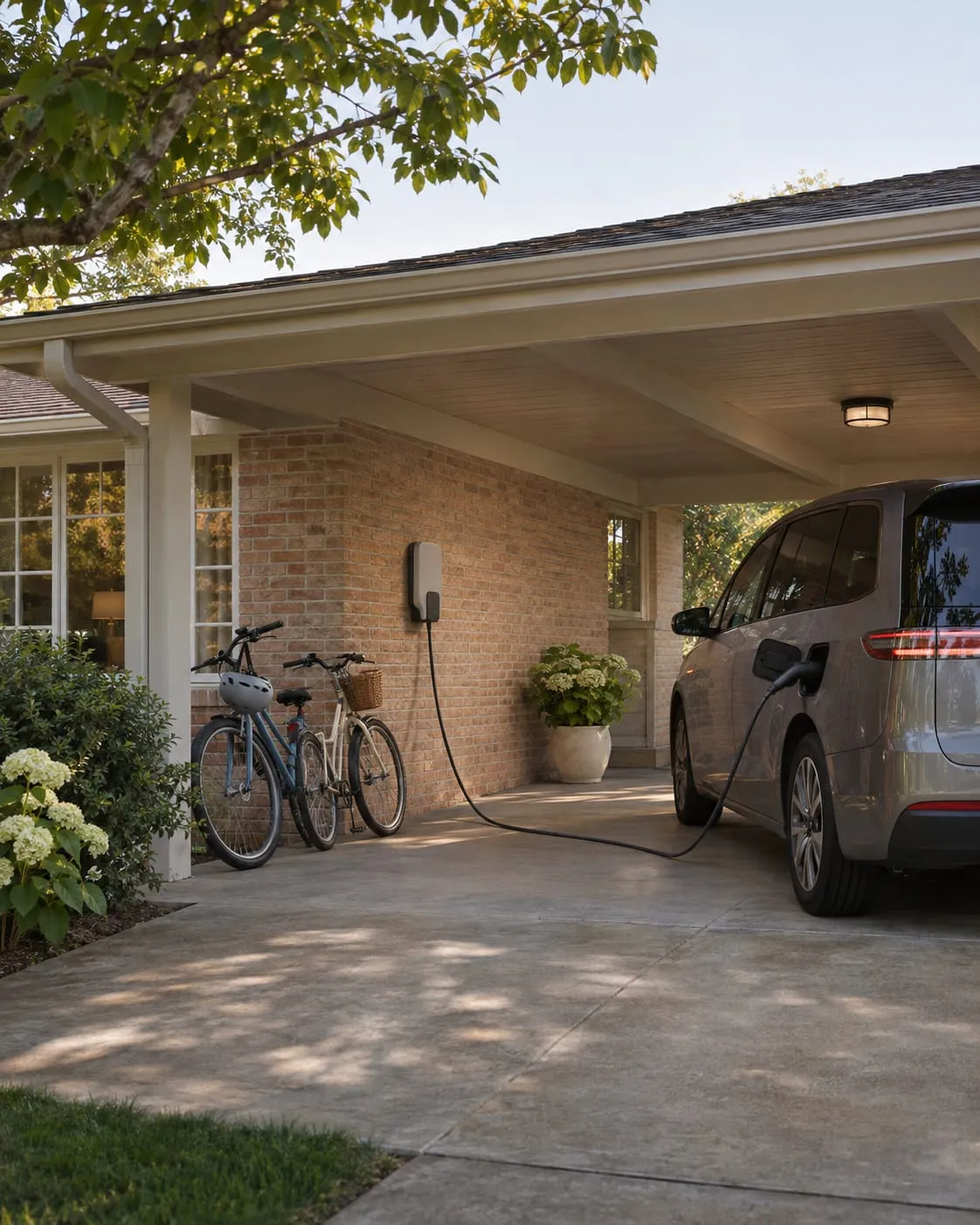 Illustrative scene
Home 50↗
●●○ Mid-rangeHardwired 50 A with dual-band Wi-Fi
See on AmazonSpecs & who it’s for →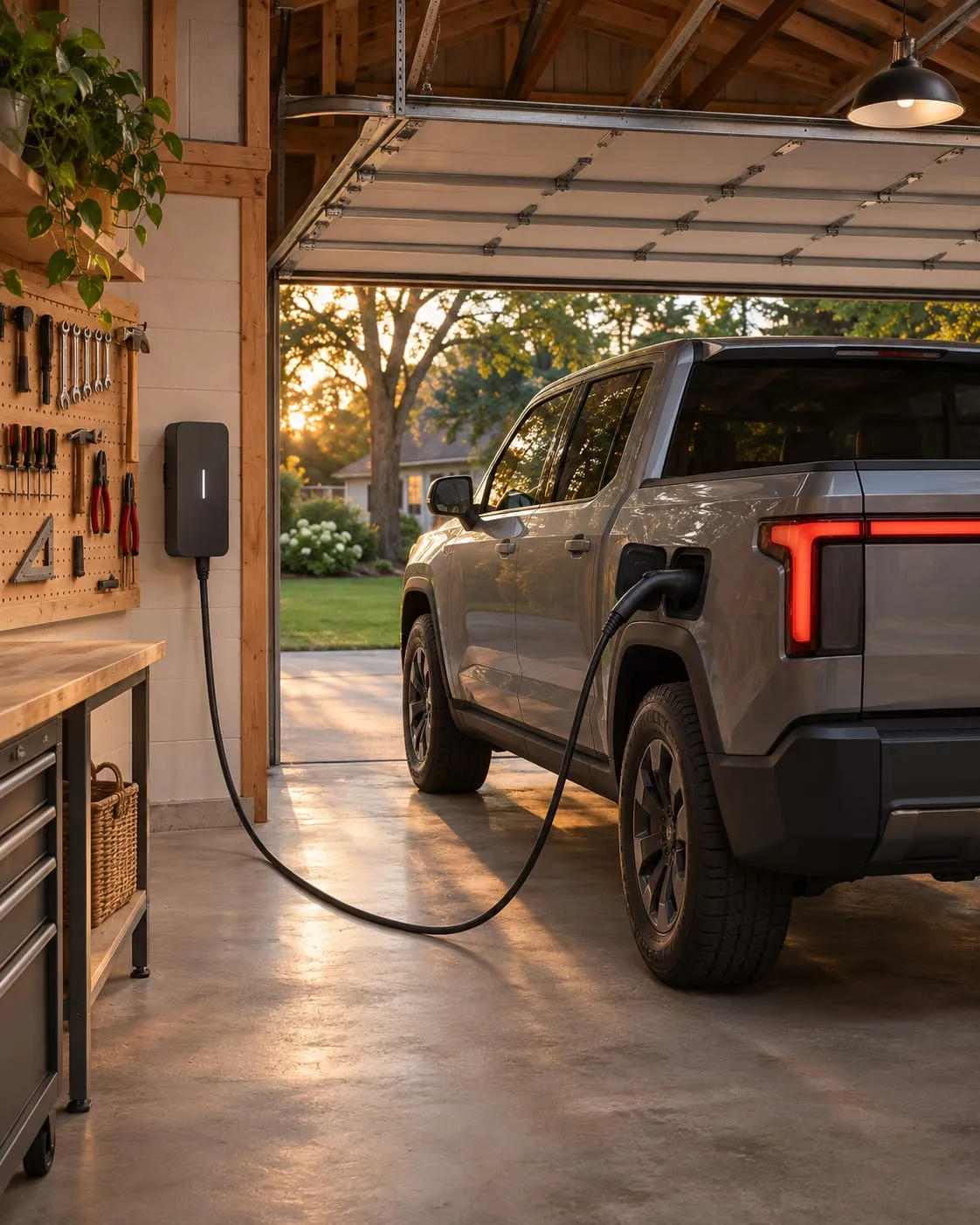 Illustrative scene
Ultimate 80A↗
●●● PremiumBig batteries, big electrical service
See on AmazonSpecs & who it’s for →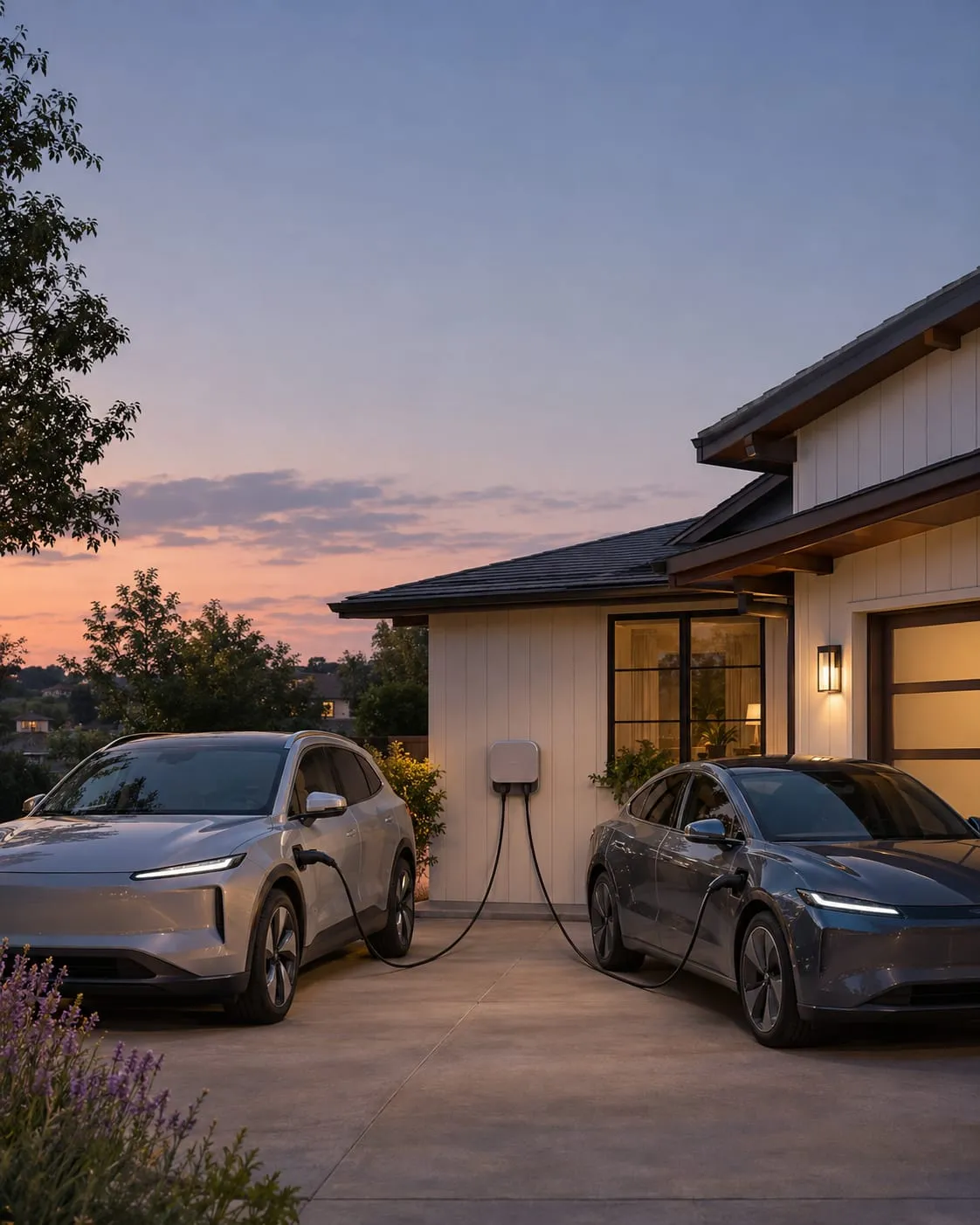
Affiliate links: we may earn a commission at no cost to you. Prices aren’t listed — the retailer shows the current one. Disclosure
Charging accessories
Adapters, cable holders, pedestals and covers.
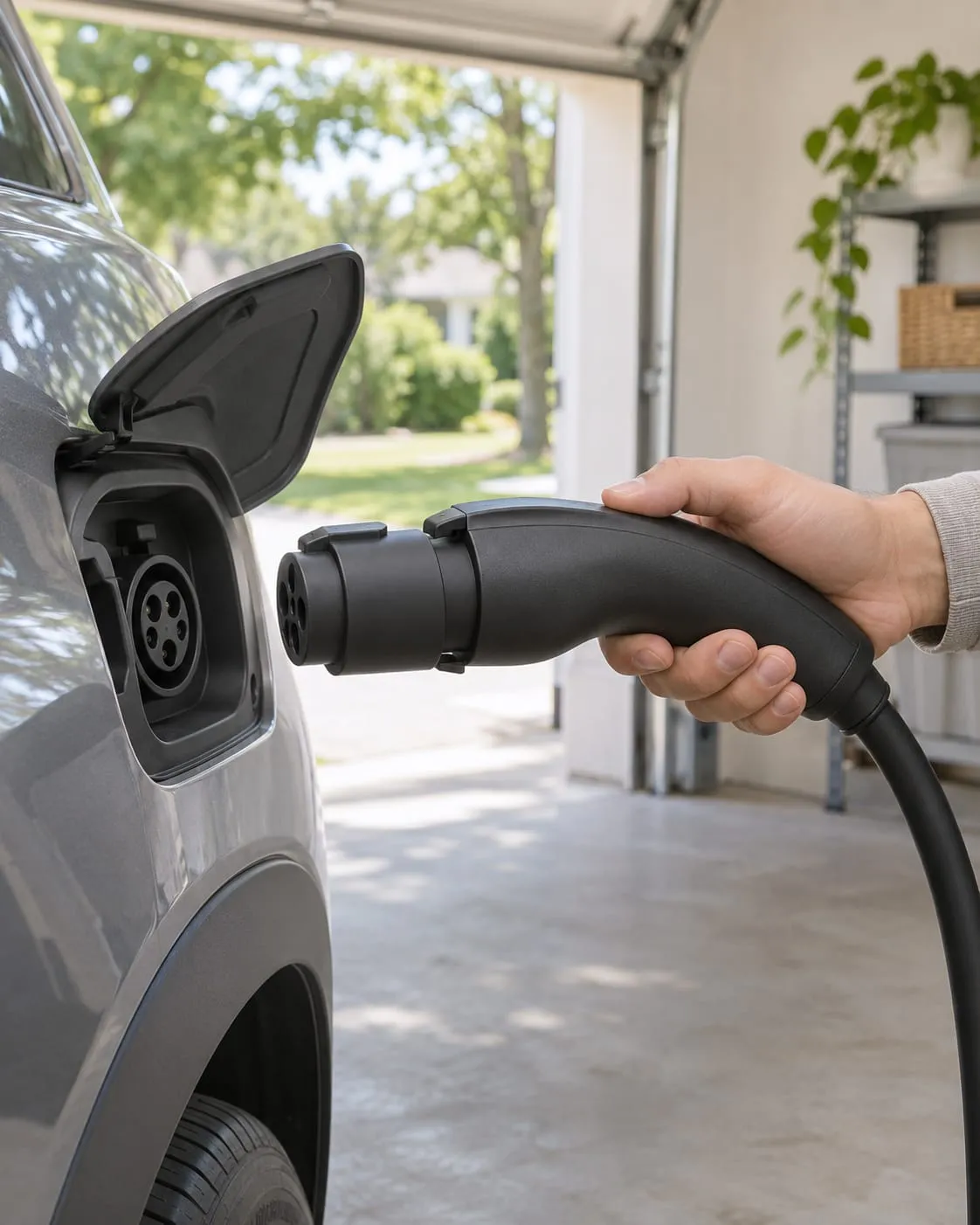 Illustrative scene
NACS to J1772 Adapter 80A↗
●●○ Mid-rangeJ1772 car, Tesla-style home charger
See on AmazonSpecs & who it’s for →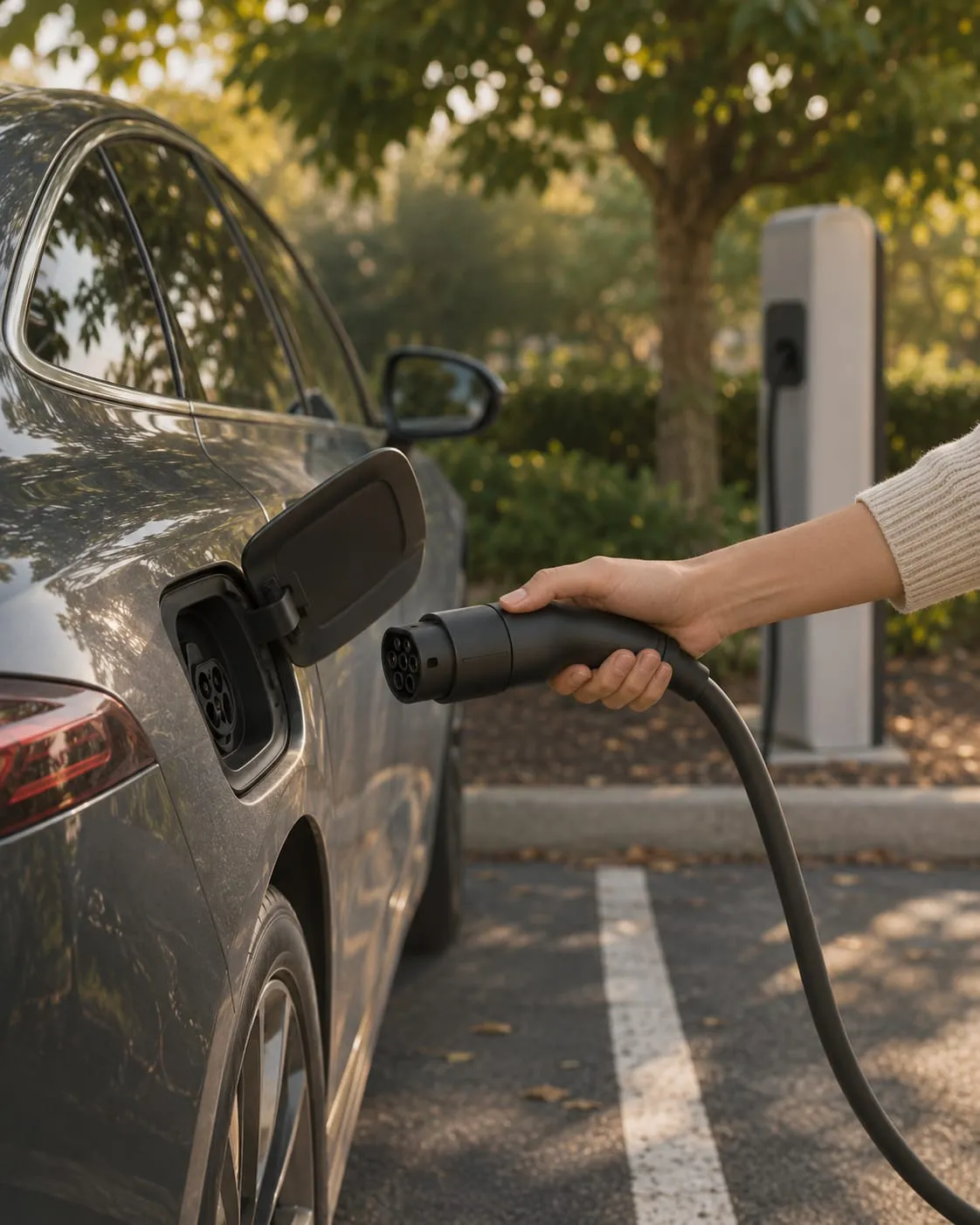 Illustrative scene
J1772 to NACS Adapter 80A↗
●●○ Mid-rangeTesla or NACS car, J1772 charger
See on AmazonSpecs & who it’s for →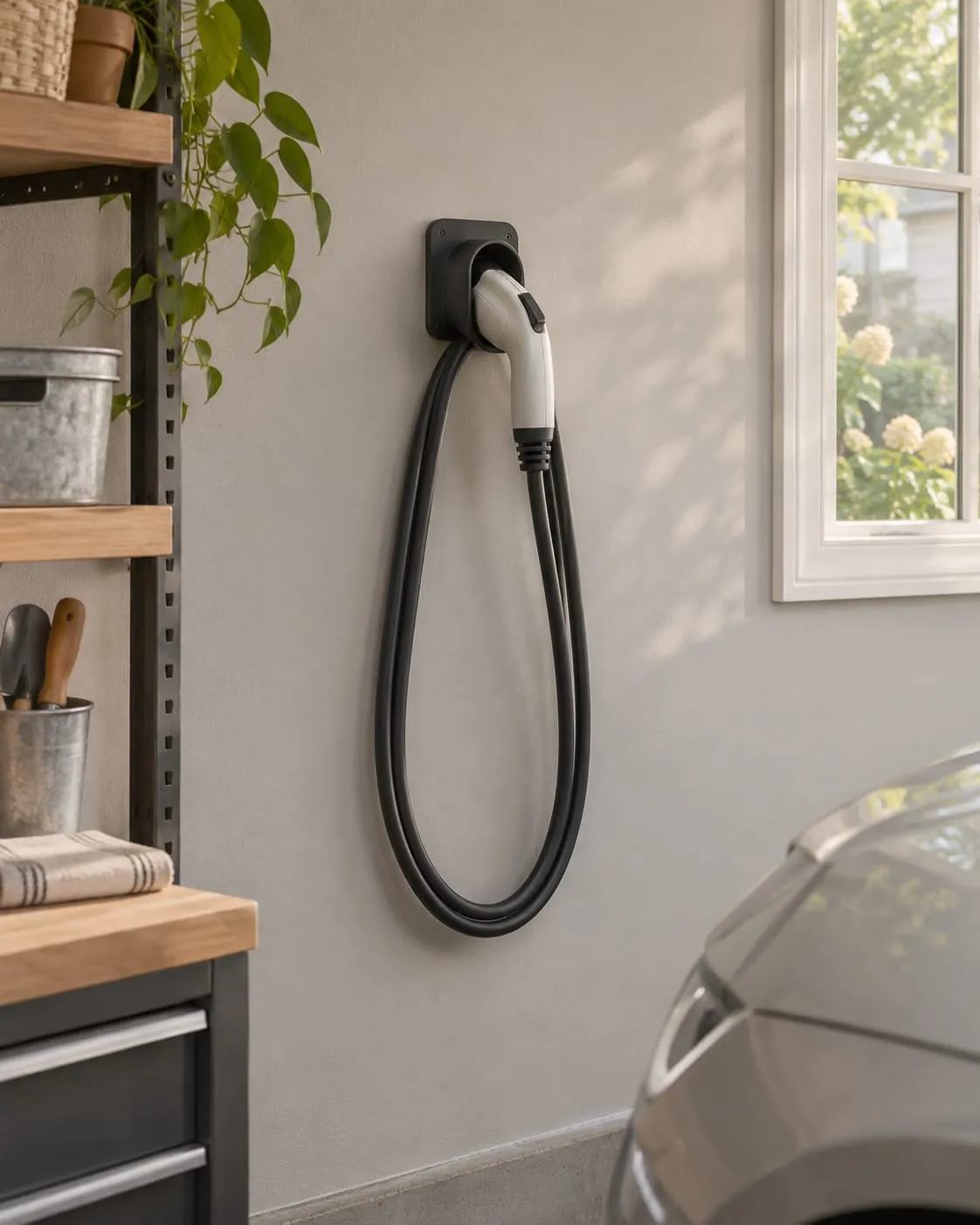
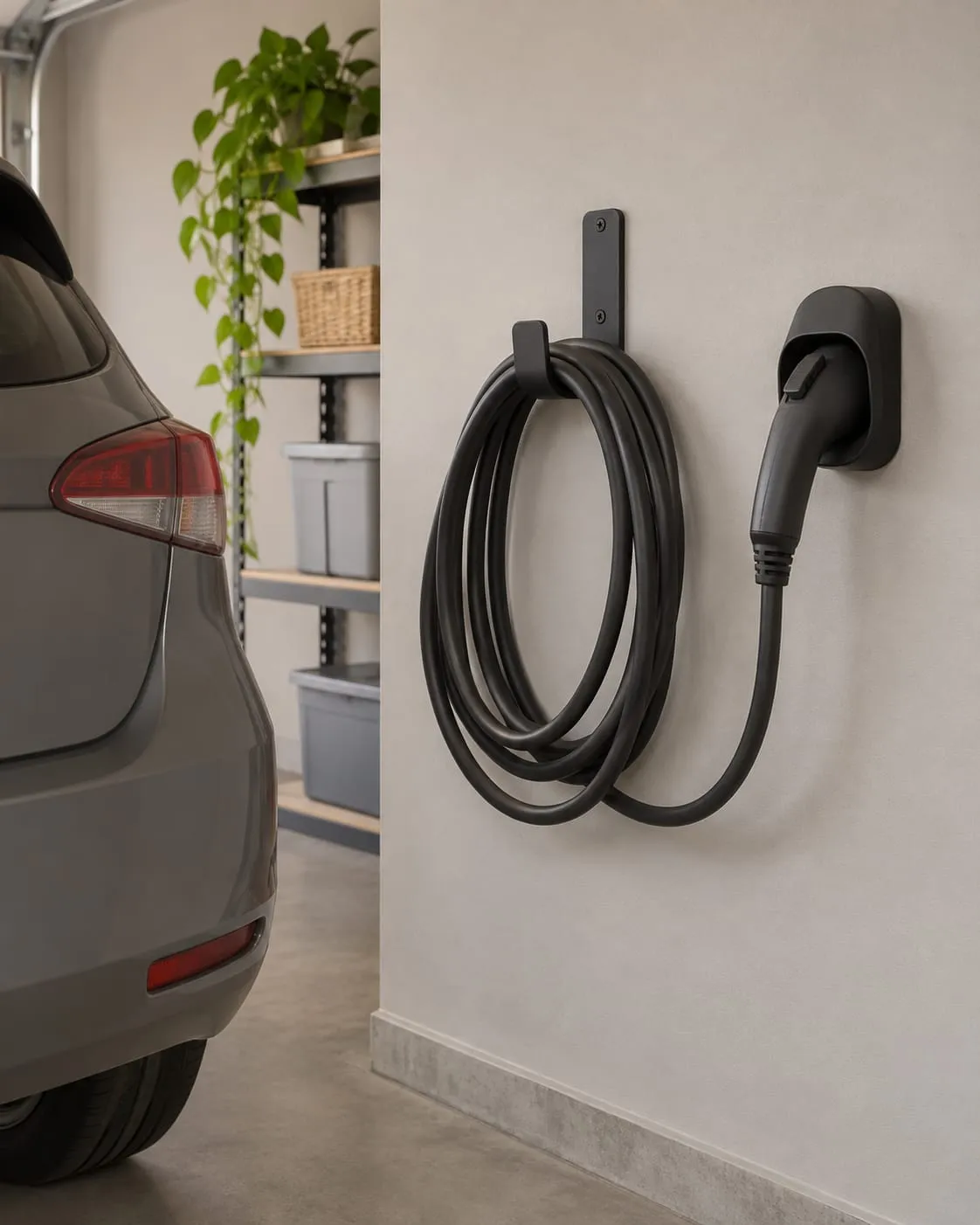 Illustrative scene
J1772 Dock + J-Hook↗
●○○ BudgetTidy garage with J1772 charger
See on AmazonSpecs & who it’s for →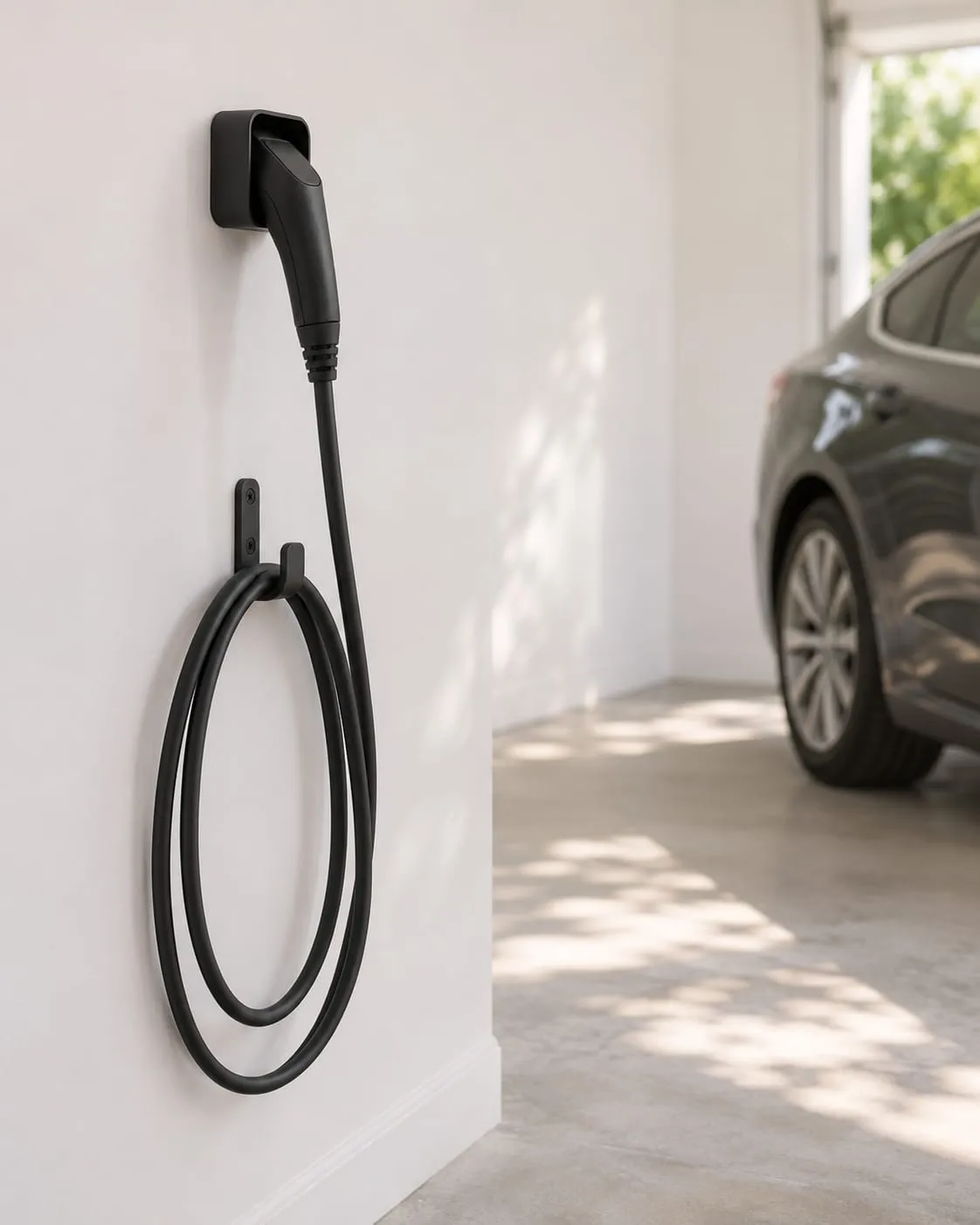 Illustrative scene
NACS Dock + J-Hook↗
●○○ BudgetTesla Mobile or Wall Connector
See on AmazonSpecs & who it’s for →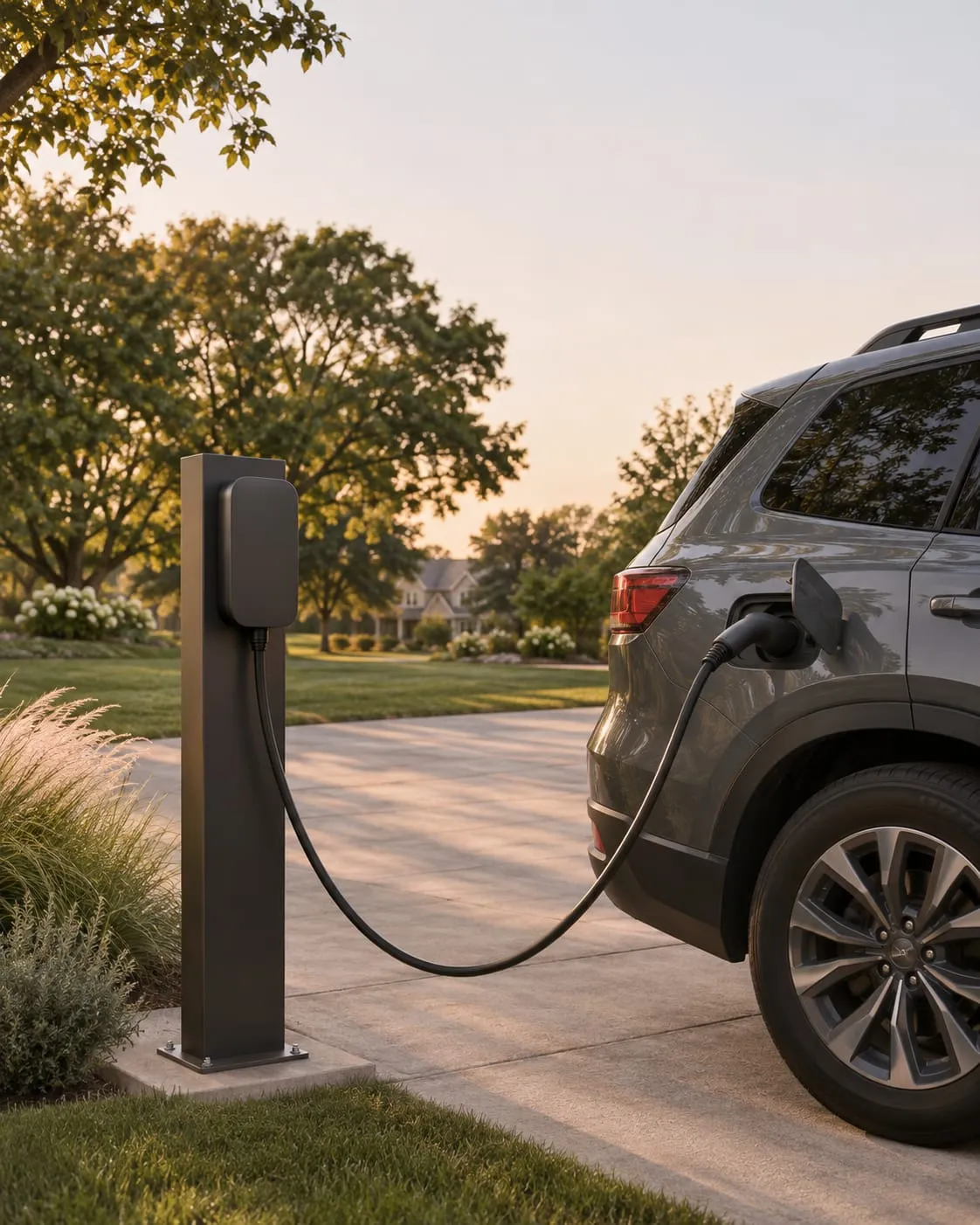 Illustrative scene
Eiffel Basic Pedestal (Mono)↗
●●● PremiumWallbox Pulsar charger, no wall
See on AmazonSpecs & who it’s for →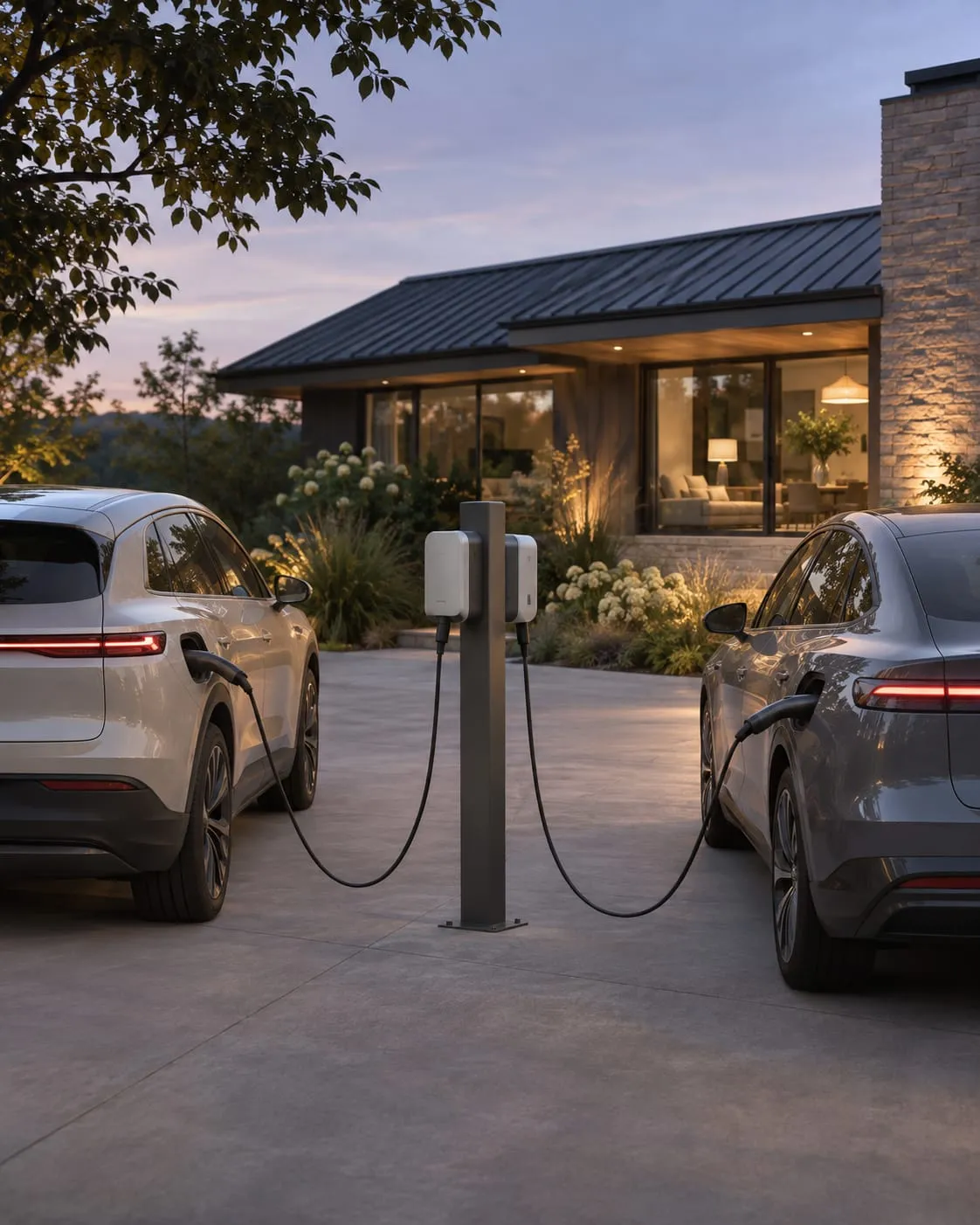 Illustrative scene
Eiffel Basic Pedestal (Dual)↗
●●● PremiumTwo Wallbox chargers, driveway
See on AmazonSpecs & who it’s for →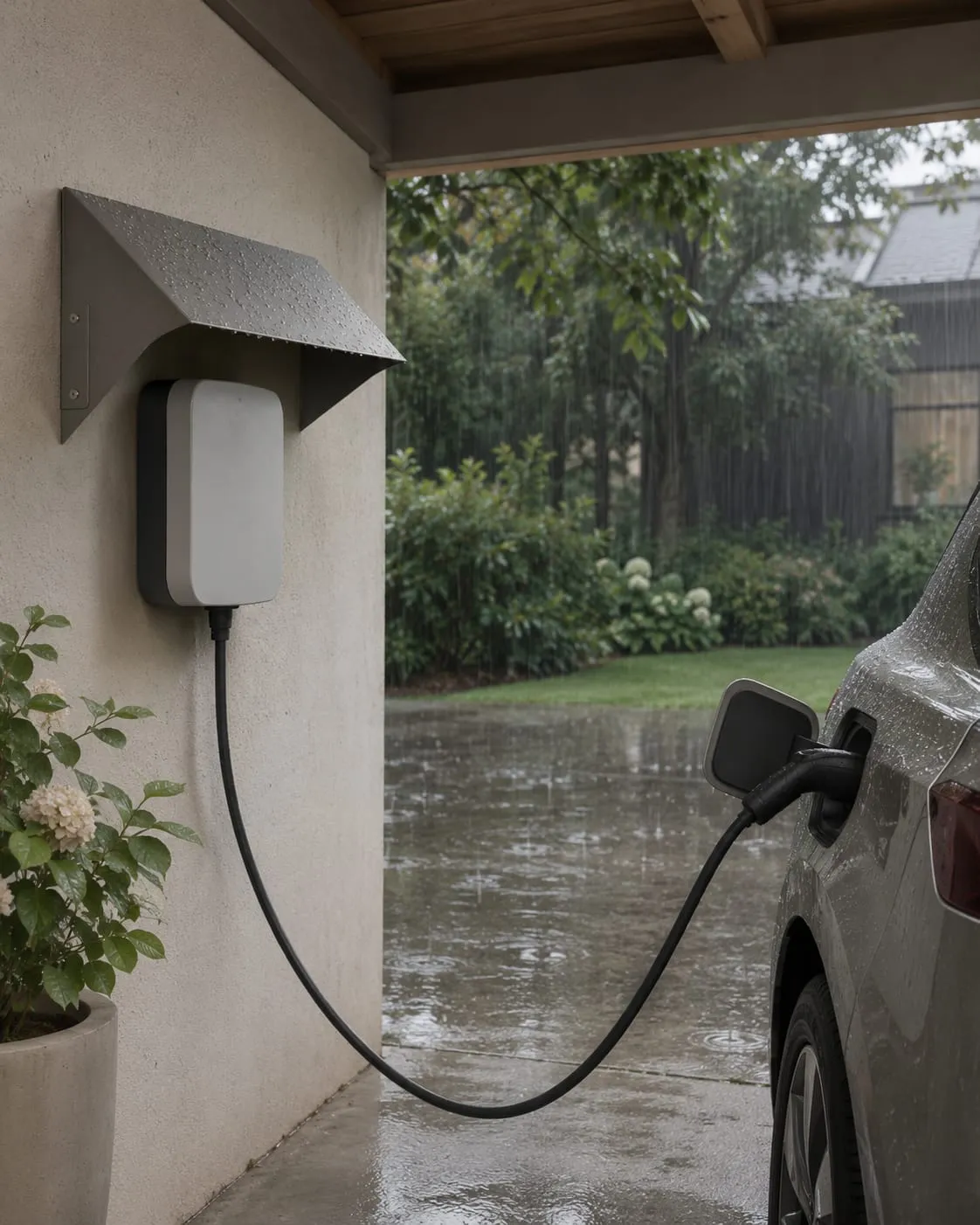 Illustrative scene
Rain Cover for Pulsar / Eiffel Basic↗
●●○ Mid-rangeOutdoor Wallbox Pulsar install
See on AmazonSpecs & who it’s for →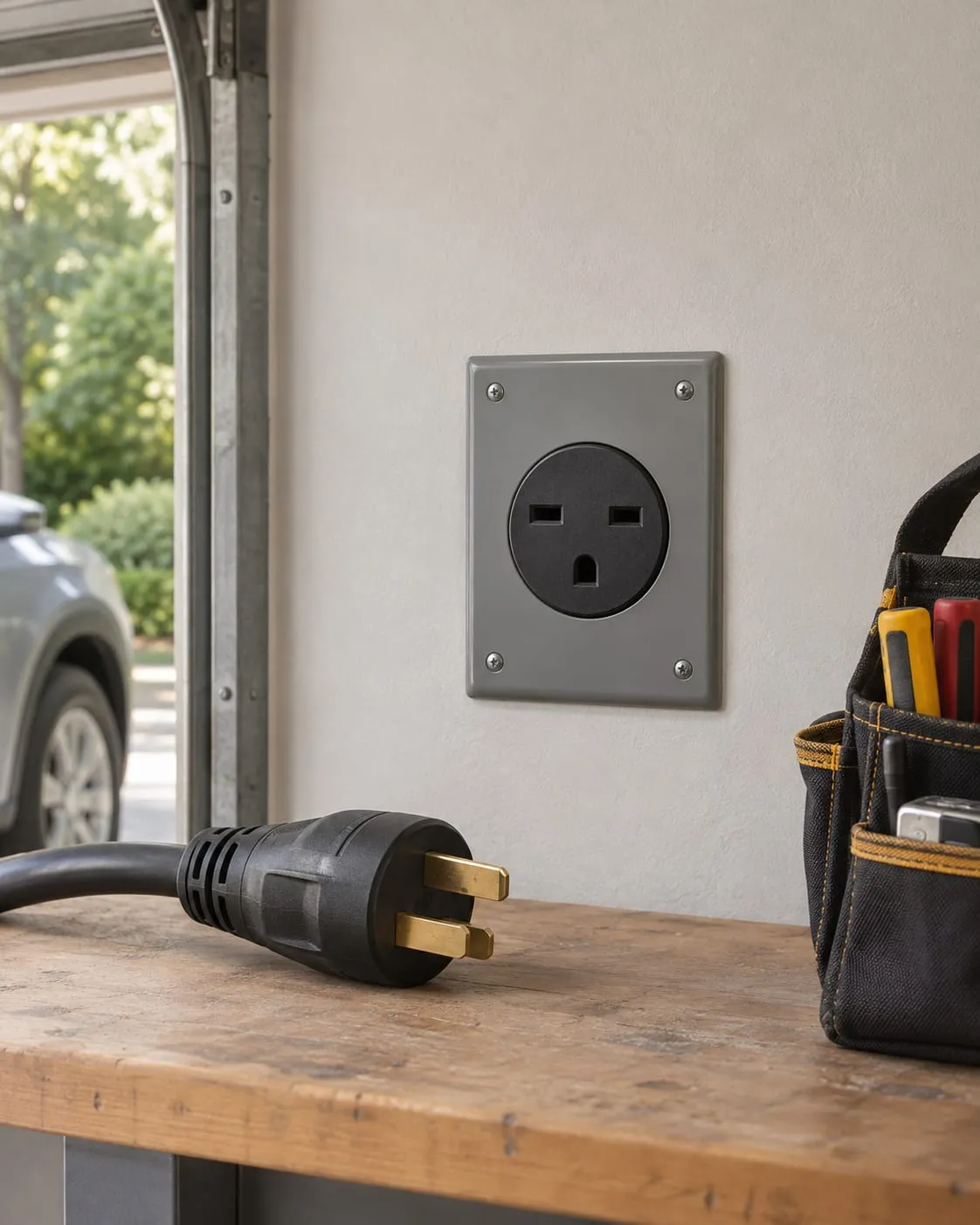 Illustrative scene
HBL9450A 14-50R Receptacle↗
●●○ Mid-rangePlug-in charger on NEMA 14-50
See on AmazonSpecs & who it’s for → Illustrative scene
Protective Case for EV Adapters↗
●○○ BudgetKeeping an adapter in the car
See on AmazonSpecs & who it’s for →Affiliate links: we may earn a commission at no cost to you. Prices aren’t listed — the retailer shows the current one. Disclosure
Related guides
Get the home-charging checklist
What to ask your electrician, which amps your car can really use, and new charger comparisons when they launch. No spam, unsubscribe anytime.