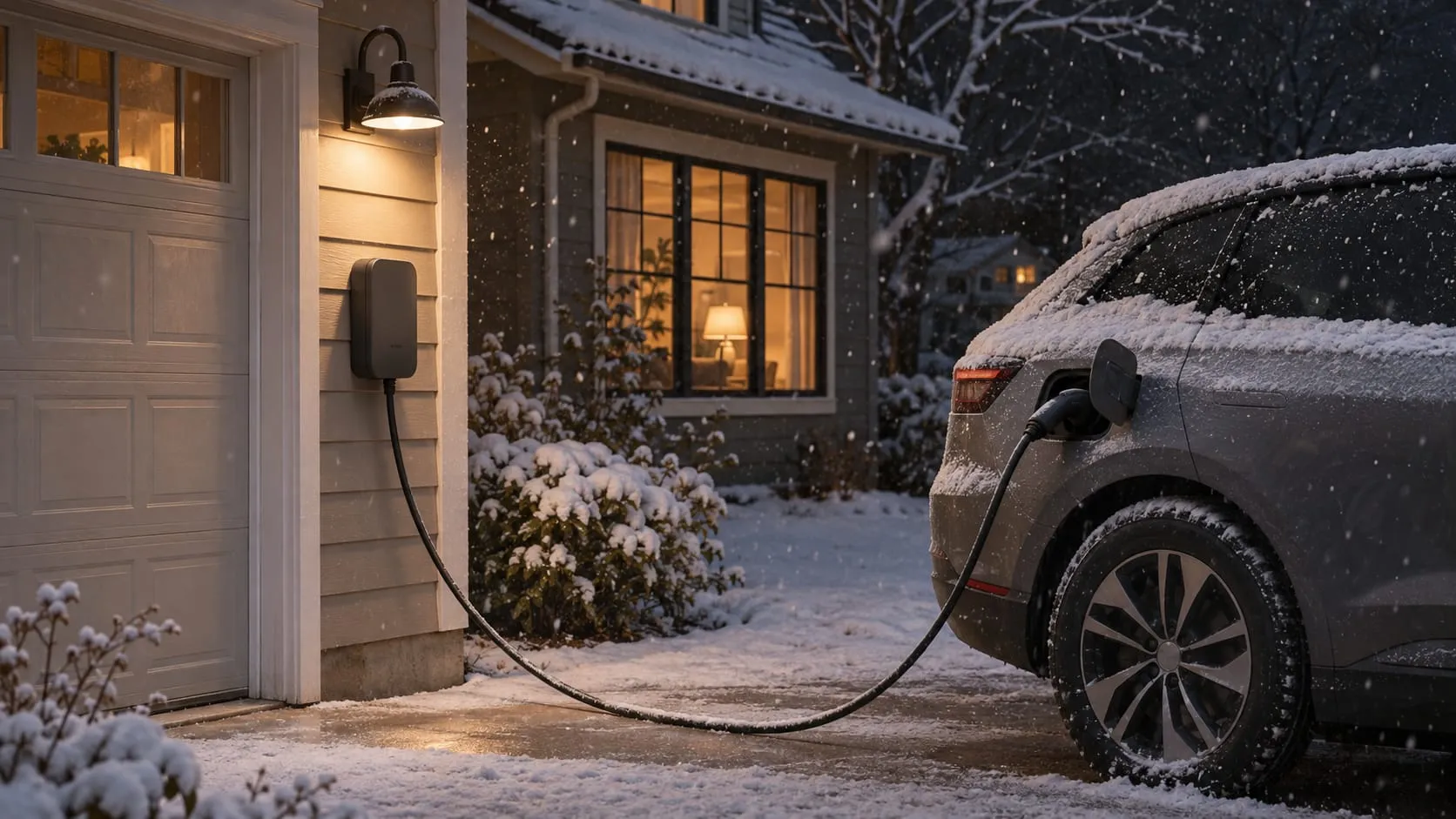
The best EV chargers for cold weather
This page contains affiliate links. If you buy through them we may earn a commission, at no cost to you. As an Amazon Associate, GroveVolt earns from qualifying purchases. Learn more
Quick picks
 Illustrative scene
MaxiCharger AC Elite Home↗
●●○ Mid-rangeMax power in very cold or hot climates
See on AmazonSpecs & who it’s for →
 Illustrative scene
Pro EV Charger↗
●●● PremiumSolar homes and tight electrical panels
See on AmazonSpecs & who it’s for →The short answer
If your charger lives outside in a cold climate, check its rated operating temperature. The Autel MaxiCharger and Enphase IQ EV Charger 2 are rated down to −40 °F; the Grizzl-E, ChargePoint and Emporia to −22 °F.
Illustrative sceneMaxiCharger AC Elite Home
A 40 A plug-in or 50 A hardwired smart charger with a NEMA 4 enclosure and the widest temperature rating here (−40 to 131 °F).
Specs side by side
| Model | Tier | Max current | Max power | Adjustable range | Connector |
|---|---|---|---|---|---|
| MaxiCharger AC Elite Home Autel | Mid-range | 50 A | 12 kW | 6 A to 40 / 50 A (app) | J1772 |
| IQ EV Charger 2 Enphase | Premium | 48 A | 11.5 kW | 6–40 A plug-in / 6–48 A hardwired, 1 A steps | J1772 (plug-in); J1772 or NACS (hardwired) |
| Classic 40A Grizzl-E | Budget | 40 A | 9.6 kW | 16, 24, 32, 40 A | J1772 |
| Pro EV Charger Emporia | Premium | 48 A | 11.5 kW | Not stated by maker | J1772 or NACS versions |
Specs from manufacturer pages and manuals. Prices change often, so we don’t list them. Compare these in full.
Rated operating temperatures (maker specs)
| Charger | Rated range |
|---|---|
| Autel MaxiCharger AC Elite Home | −40 to 131 °F |
| Enphase IQ EV Charger 2 | −40 to 131 °F |
| Grizzl-E Classic / Classic Connect | −22 to 122 °F |
| ChargePoint Home Flex | −22 to 122 °F |
| Emporia Pro | −22 to 122 °F |
| Tesla Wall Connectors | −22 to 122 °F |
| Wallbox Pulsar Plus | −22 to 104 °F |
How to choose
- Look up your area’s record lows, not just a typical winter night, if the charger will be outside.
- Pick an outdoor enclosure — NEMA 3R, NEMA 4 or IP66, per the maker.
- Garage installs are easier. An attached garage usually stays well above these limits.
- Plan the cable route so the plug and holster stay out of snow and ice.
- Have a licensed electrician install it, including any outdoor protection your local code requires.
Not sure? Take the 5-question quiz
FAQ
Why does my EV charge slower in winter?
A cold battery accepts charge more slowly, and the car may use some of the incoming power to warm the battery first. That is the car, not the charger — your owner’s manual explains its cold-weather behavior.
Should I charge right before I leave in winter?
Many EVs let you schedule charging to finish near your departure time, so the battery is warm when you drive. Check your car’s app or manual.
Does the cable get stiff in the cold?
Charging cables can stiffen in deep cold. Makers don’t publish cable flexibility ratings, so plan a mount that lets the cable hang without sharp bends.
Sources
This guide is compiled from manufacturer specifications, not hands-on testing. See how we research.
More chargers to compare
Other models we cover, swipe or use the arrows.
 Illustrative scene
Universal Wall Connector↗
●●○ Mid-rangeMixed Tesla and non-Tesla garages
See on AmazonSpecs & who it’s for → Illustrative scene
Home Flex↗
●●● PremiumOne flexible charger for any install
See on AmazonSpecs & who it’s for → Illustrative scene
NEXUS Level 2↗
●○○ BudgetBudget wall unit, plug-in or hardwired
See on AmazonSpecs & who it’s for → Illustrative scene
Level 2 Charger 48A↗
●○○ BudgetLow-cost hardwired smart charging
See on AmazonSpecs & who it’s for →
 Illustrative scene
Mobile Connector (NACS)↗
●○○ BudgetTesla owners needing a travel cord
See on AmazonSpecs & who it’s for → Illustrative scene
Classic Connect 40A↗
●●○ Mid-rangeRugged outdoor install with an app
See on AmazonSpecs & who it’s for → Illustrative scene
Mini Connect (portable)↗
●●○ Mid-rangeRenters and road trips
See on AmazonSpecs & who it’s for → Illustrative scene
Pulsar Plus↗
●●○ Mid-rangeSmall garages, two EVs, solar add-on
See on AmazonSpecs & who it’s for →
 Illustrative scene
Classic EV Charger↗
●●○ Mid-rangeSmart charging without paying for Pro
See on AmazonSpecs & who it’s for →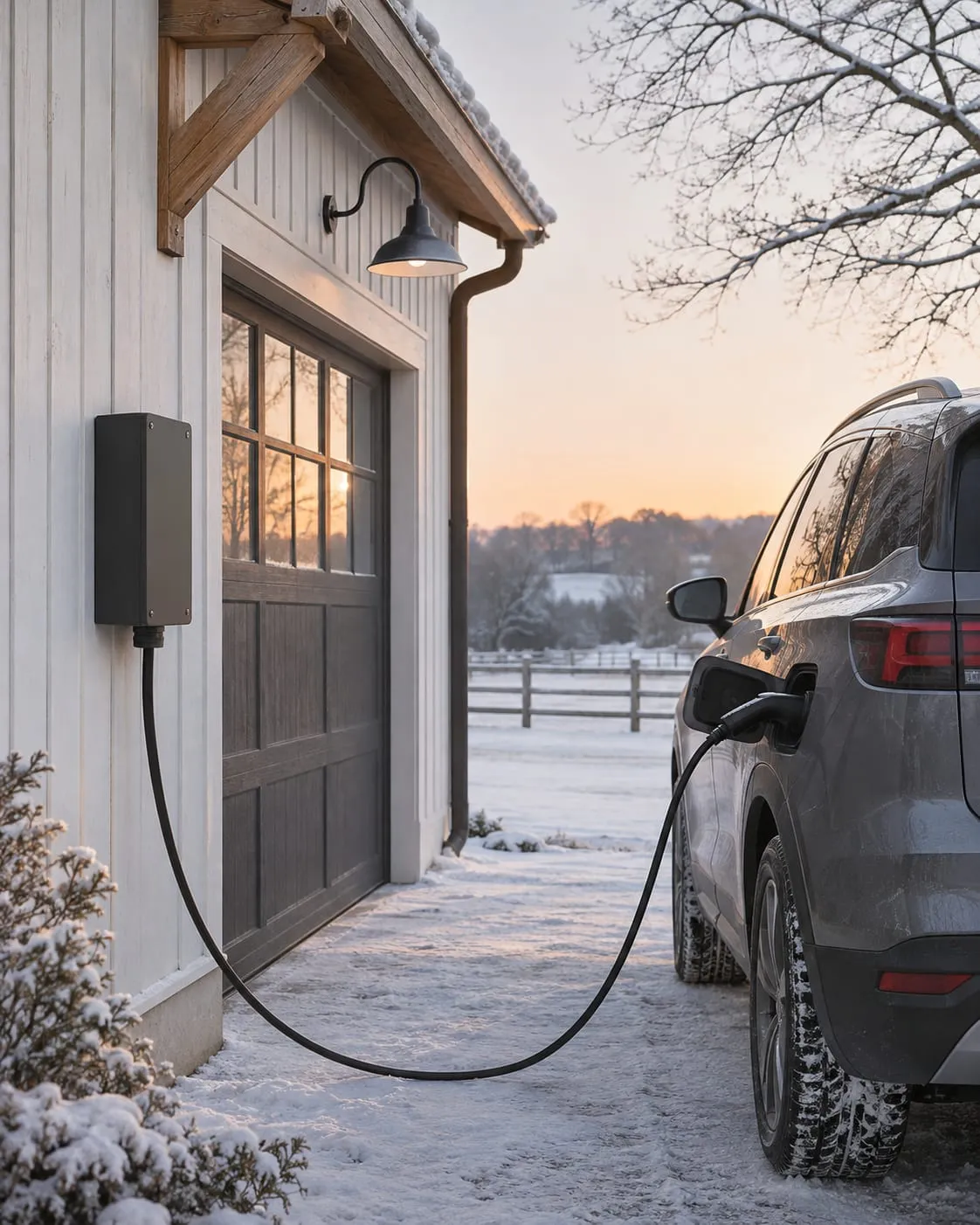 Illustrative scene
Ultimate 48A↗
●●○ Mid-rangeHardwired 48 A in harsh weather
See on AmazonSpecs & who it’s for →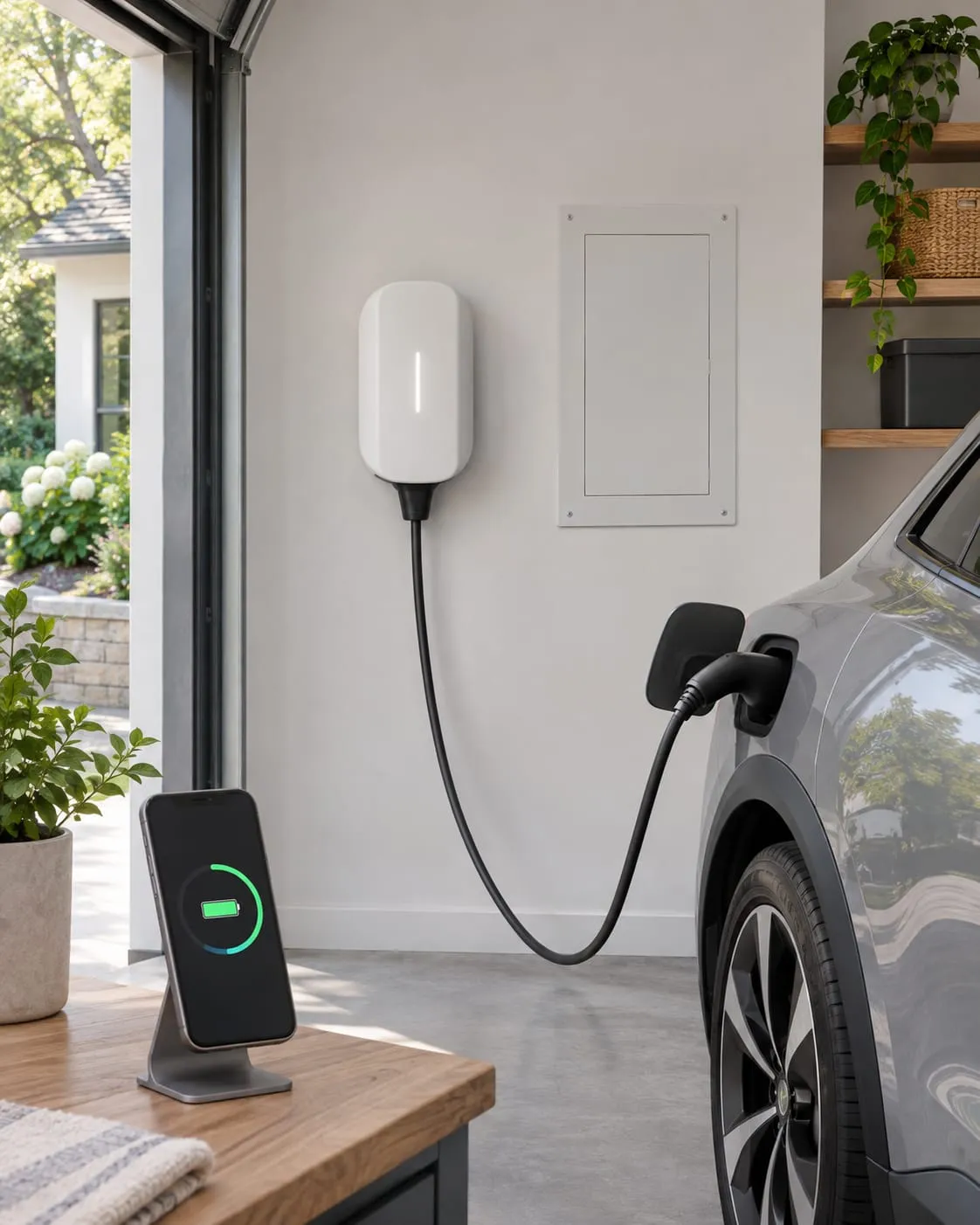 Illustrative scene
EV48W Smart 48A↗
●●○ Mid-rangeLeviton smart-home households
See on AmazonSpecs & who it’s for →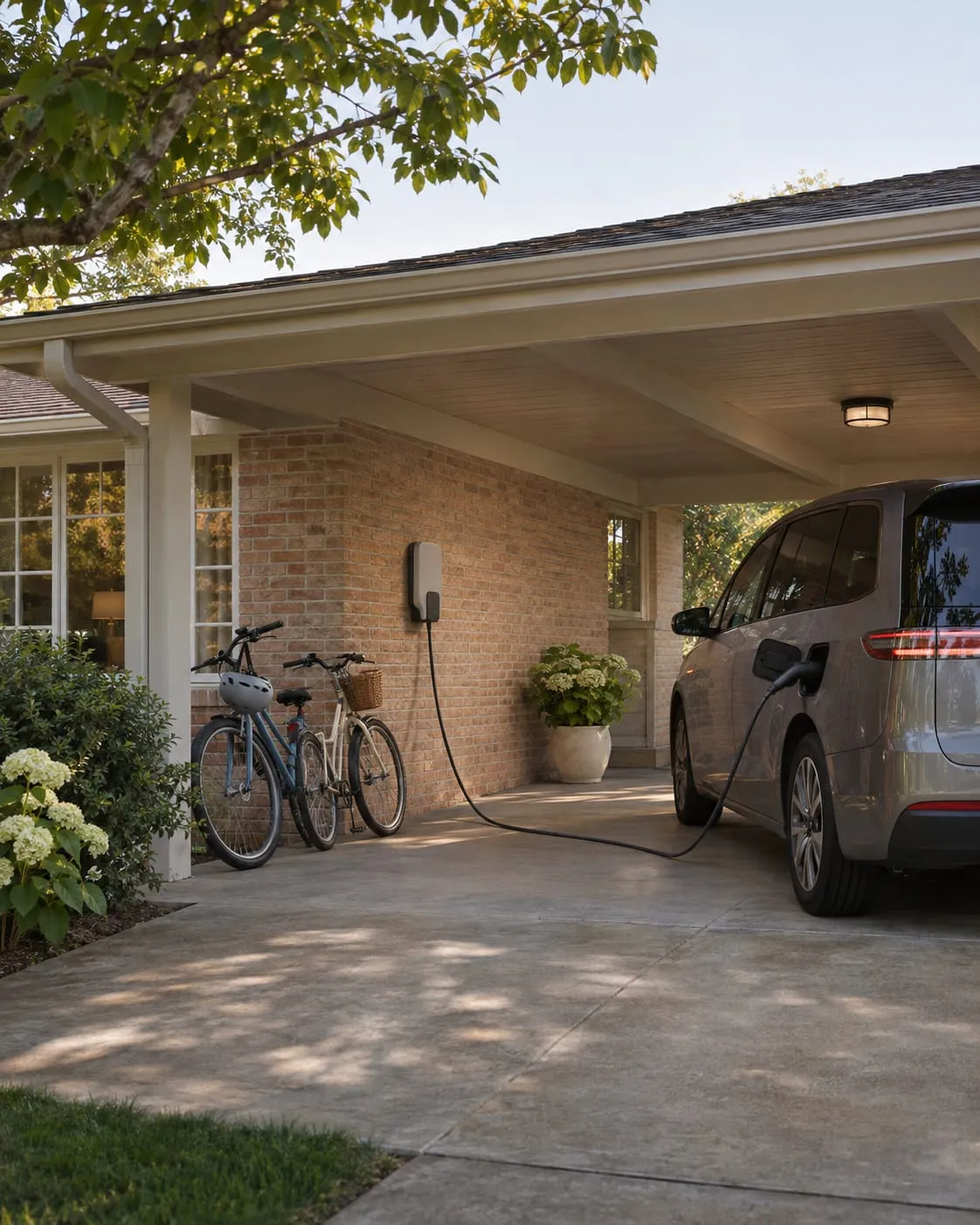 Illustrative scene
Home 50↗
●●○ Mid-rangeHardwired 50 A with dual-band Wi-Fi
See on AmazonSpecs & who it’s for →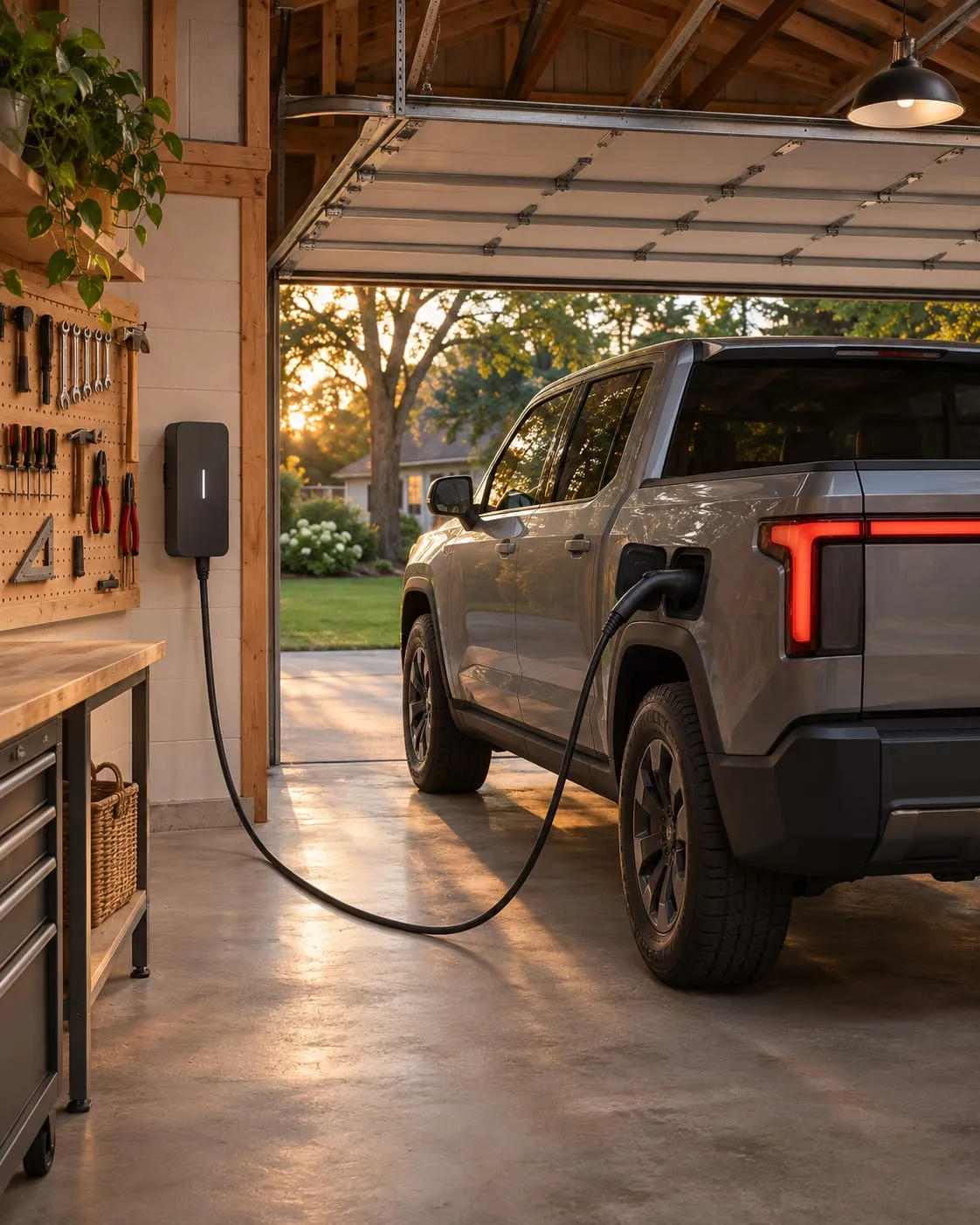 Illustrative scene
Ultimate 80A↗
●●● PremiumBig batteries, big electrical service
See on AmazonSpecs & who it’s for →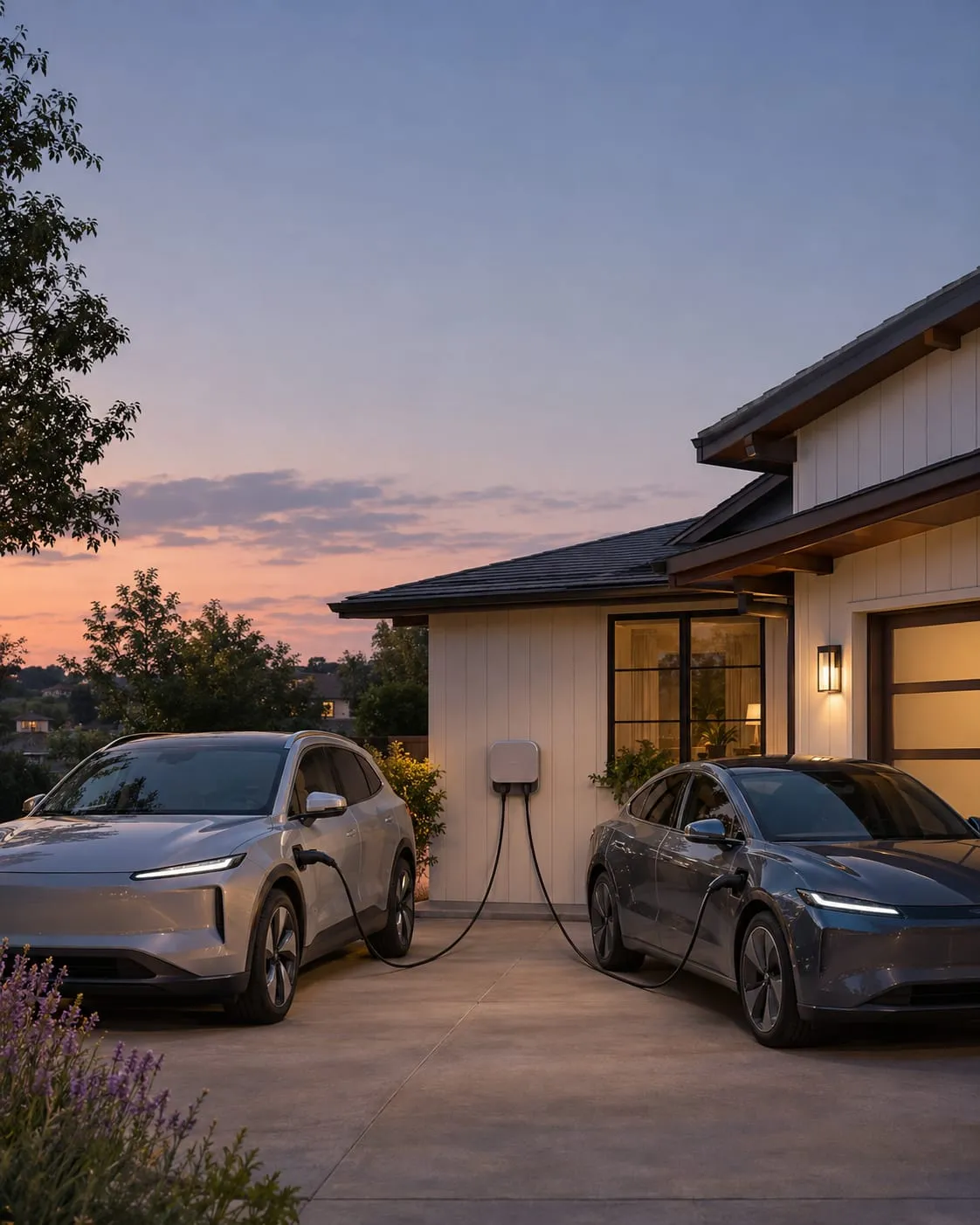
Affiliate links: we may earn a commission at no cost to you. Prices aren’t listed — the retailer shows the current one. Disclosure
Charging accessories
Adapters, cable holders, pedestals and covers.
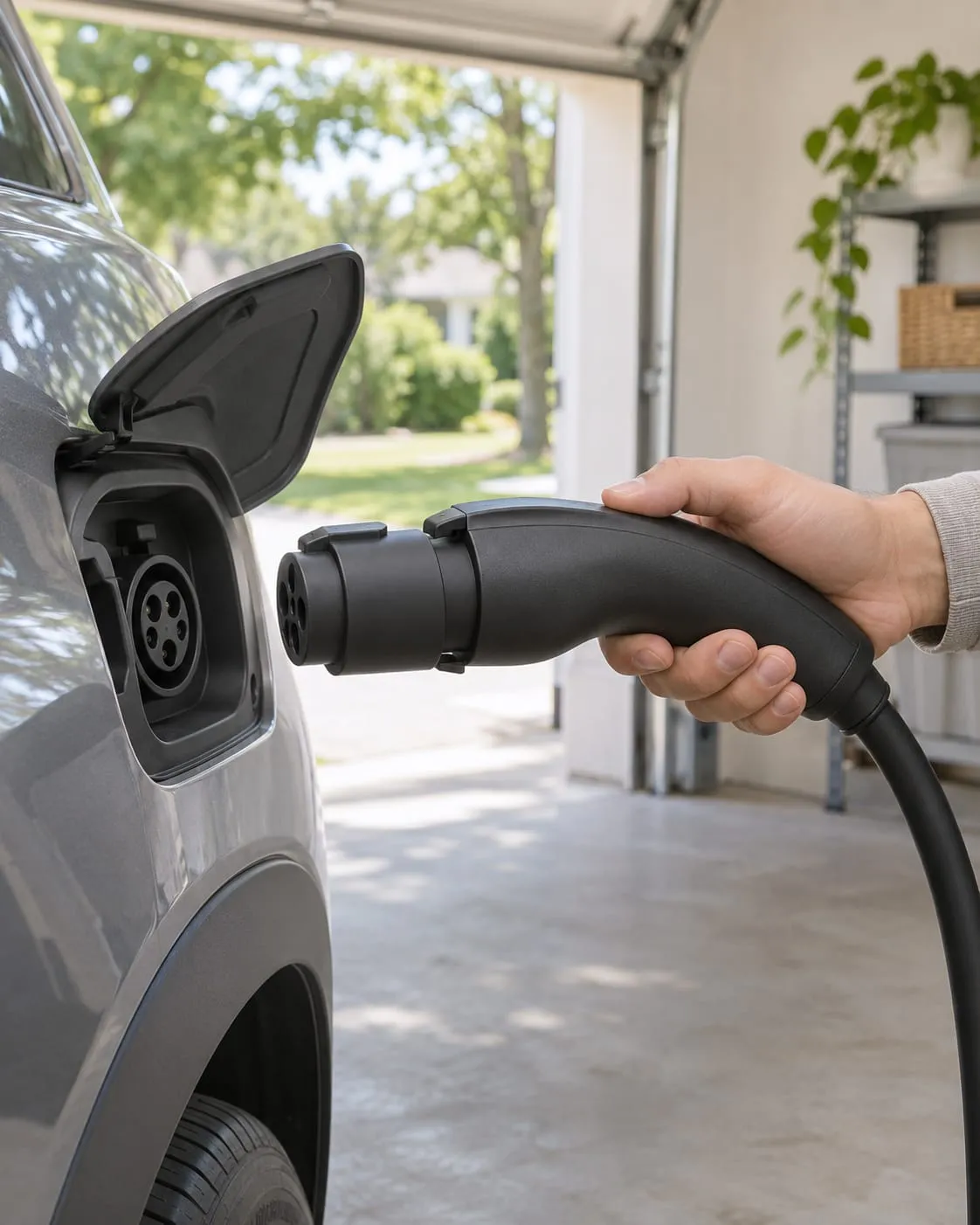 Illustrative scene
NACS to J1772 Adapter 80A↗
●●○ Mid-rangeJ1772 car, Tesla-style home charger
See on AmazonSpecs & who it’s for →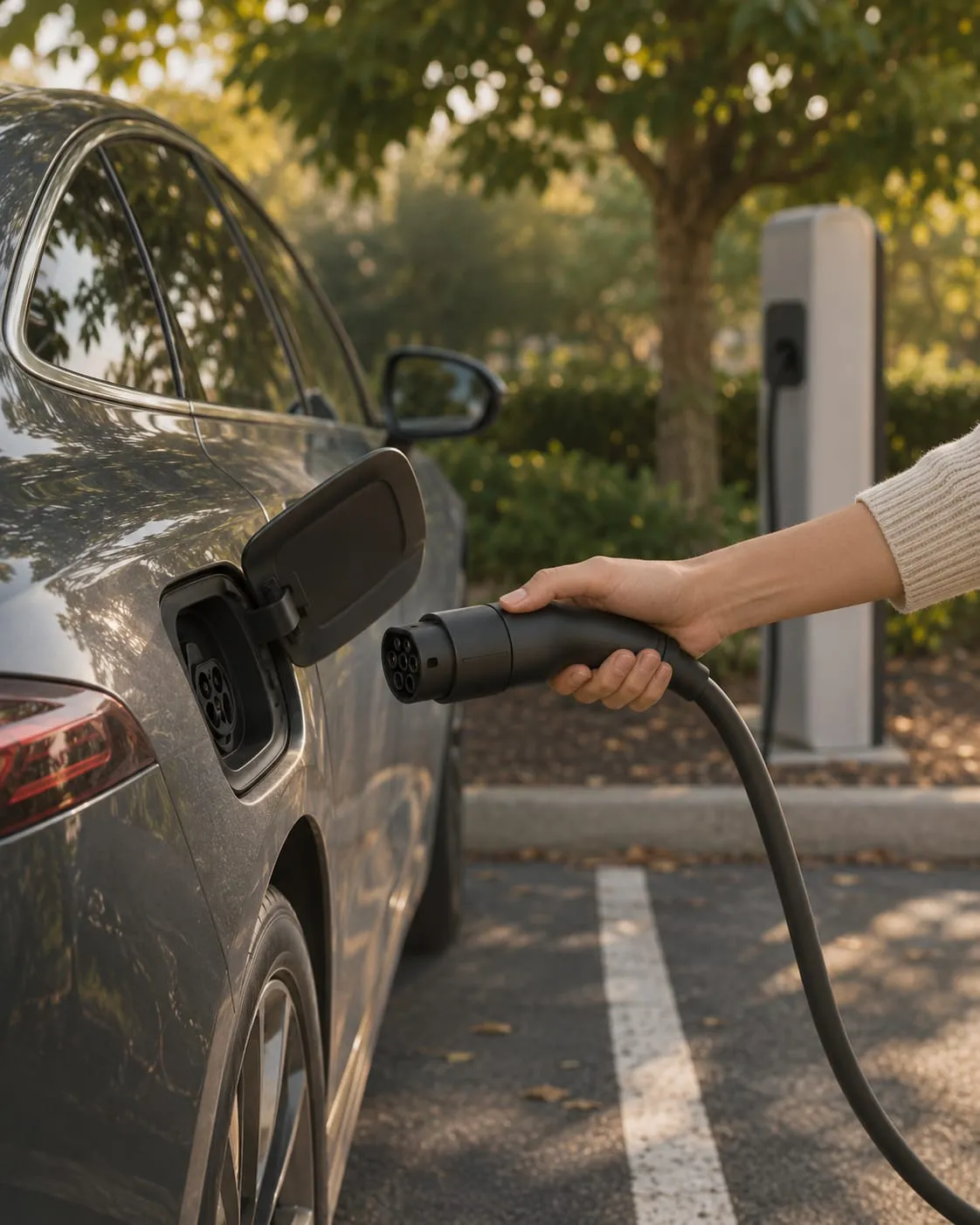 Illustrative scene
J1772 to NACS Adapter 80A↗
●●○ Mid-rangeTesla or NACS car, J1772 charger
See on AmazonSpecs & who it’s for →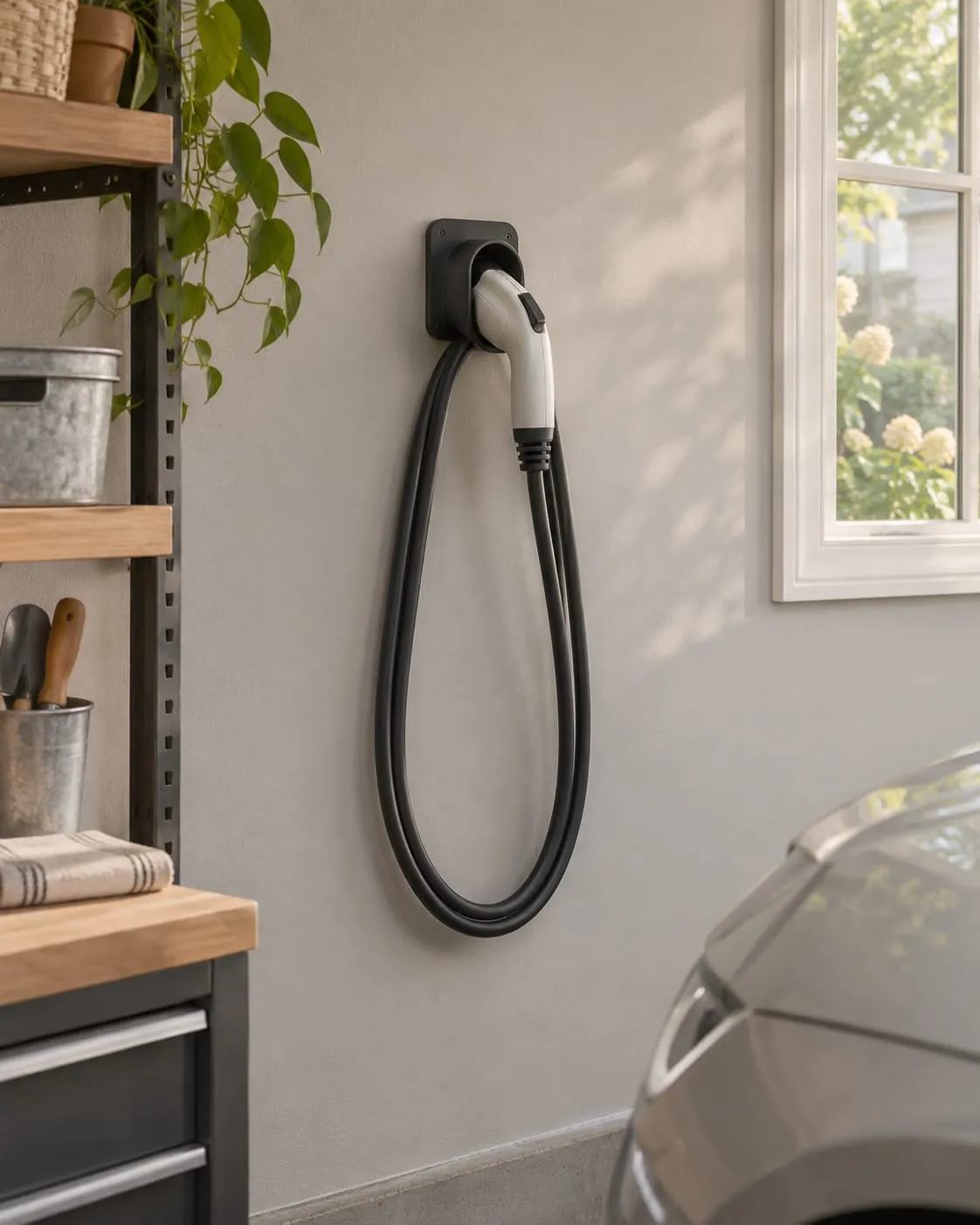
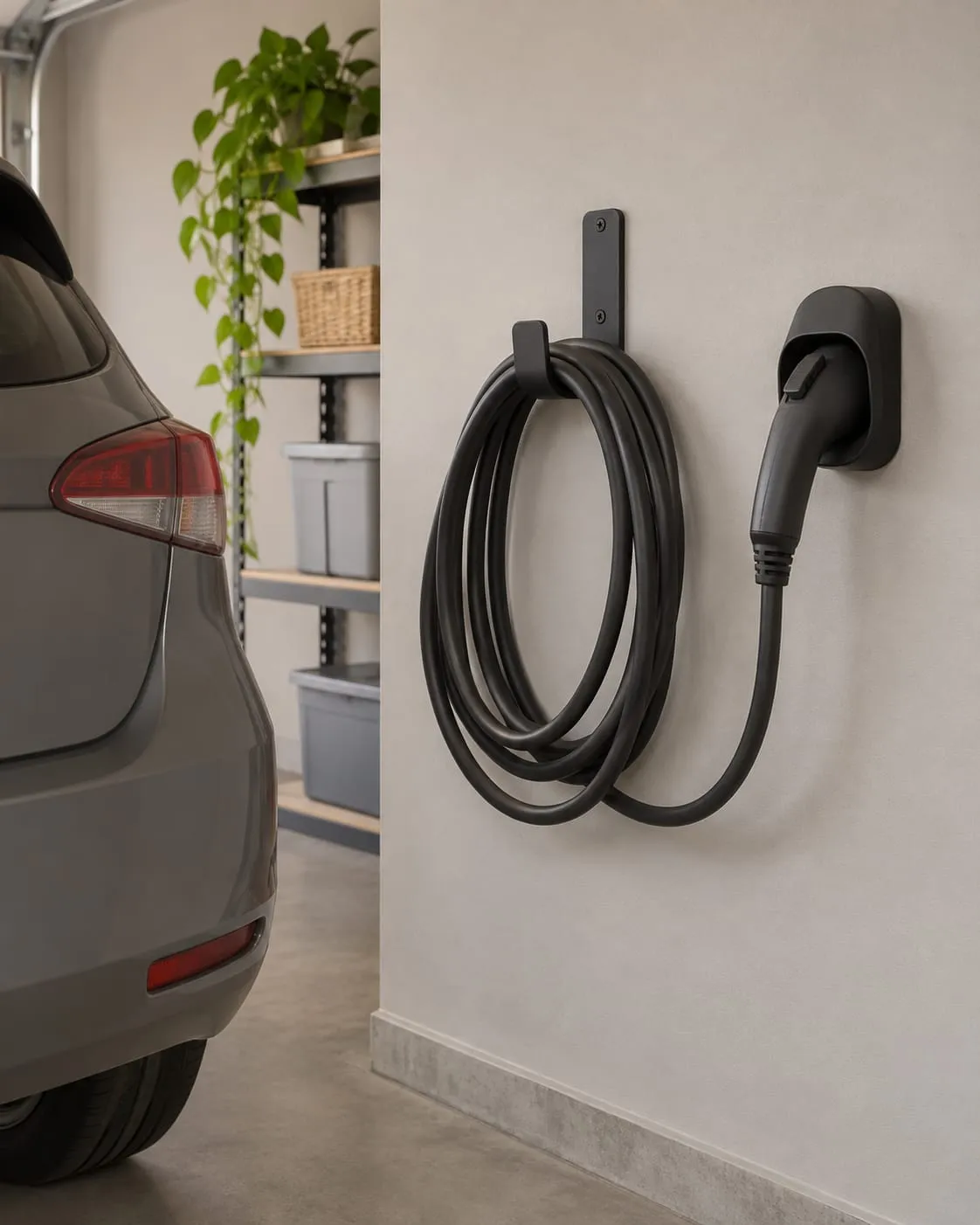 Illustrative scene
J1772 Dock + J-Hook↗
●○○ BudgetTidy garage with J1772 charger
See on AmazonSpecs & who it’s for →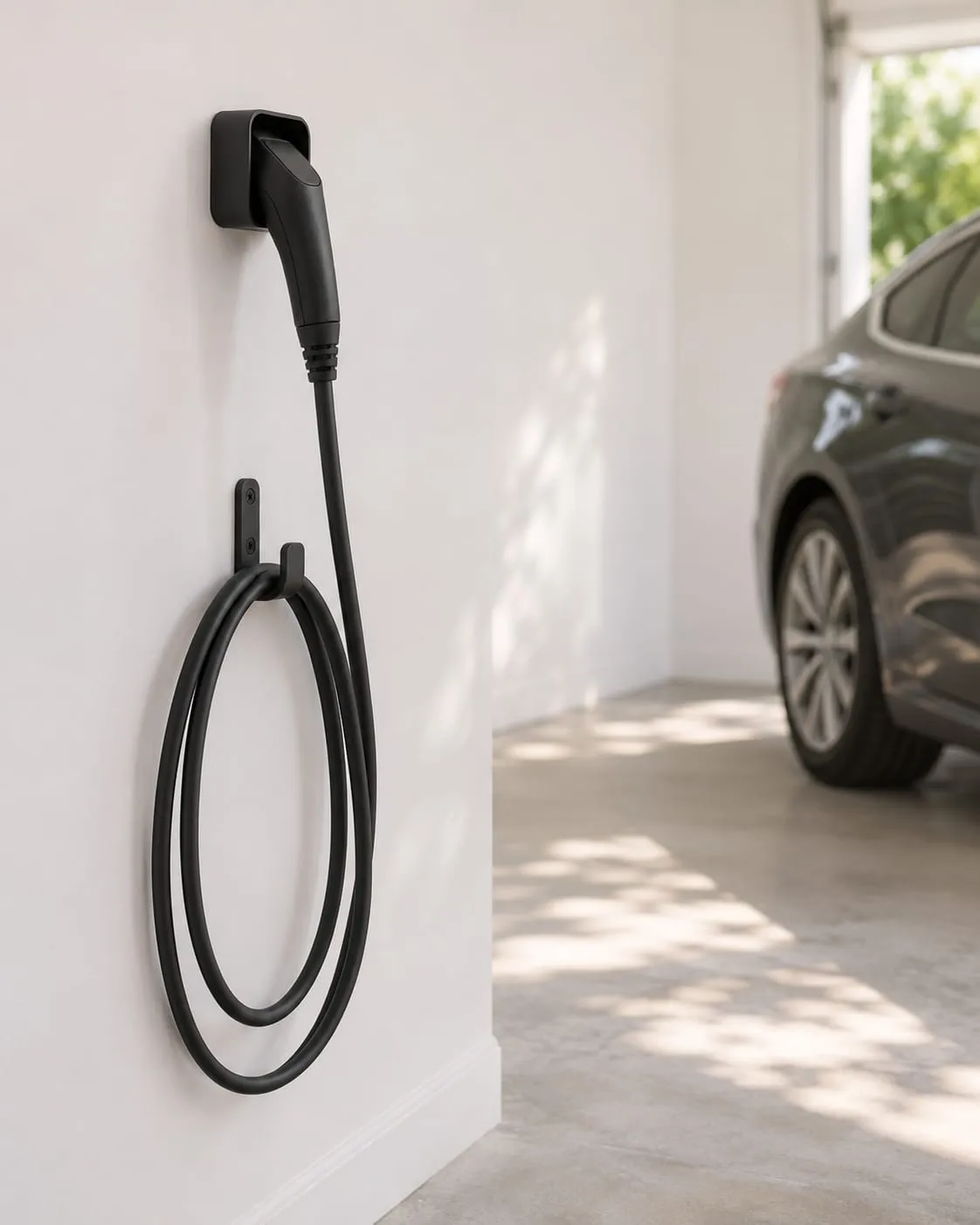 Illustrative scene
NACS Dock + J-Hook↗
●○○ BudgetTesla Mobile or Wall Connector
See on AmazonSpecs & who it’s for →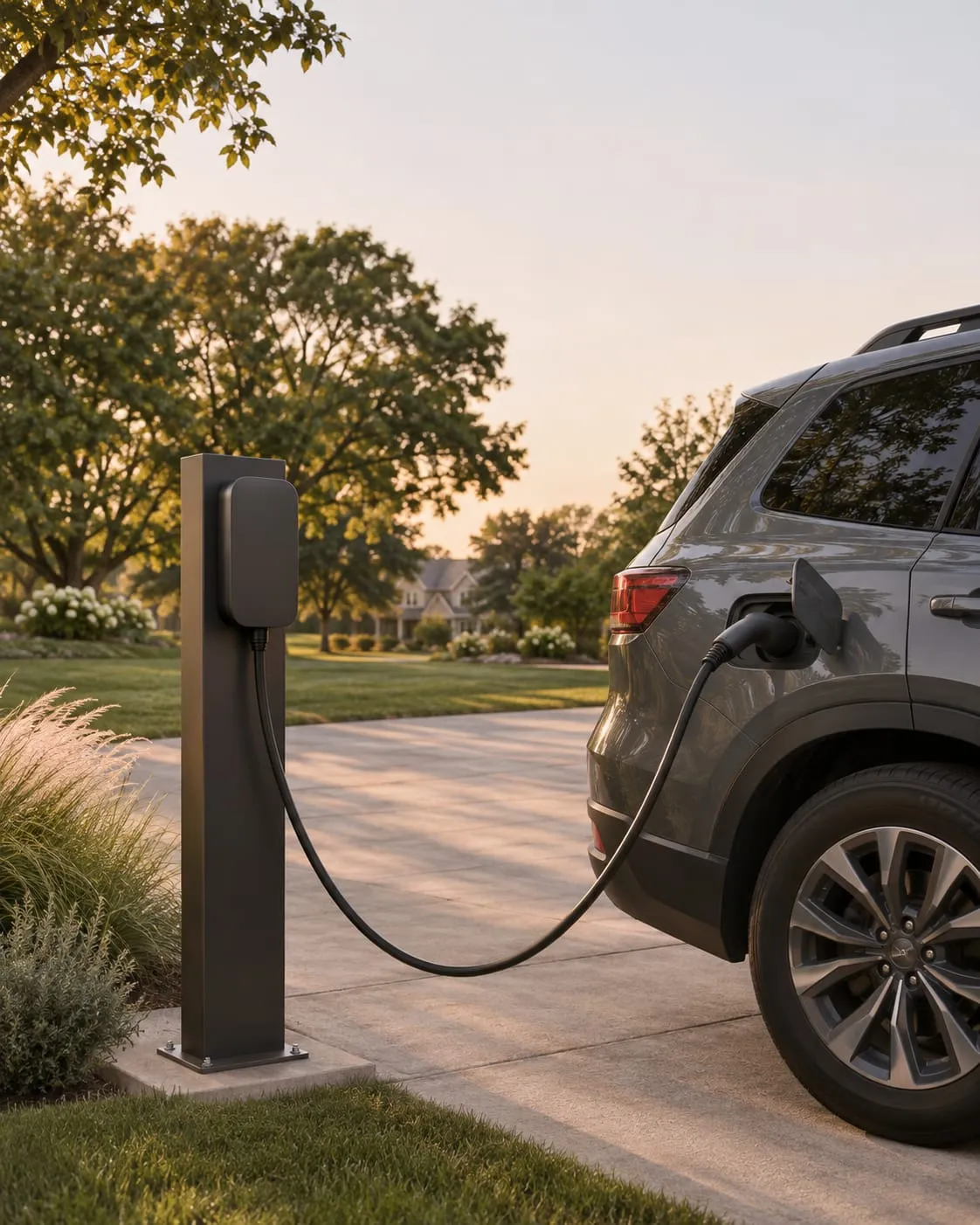 Illustrative scene
Eiffel Basic Pedestal (Mono)↗
●●● PremiumWallbox Pulsar charger, no wall
See on AmazonSpecs & who it’s for →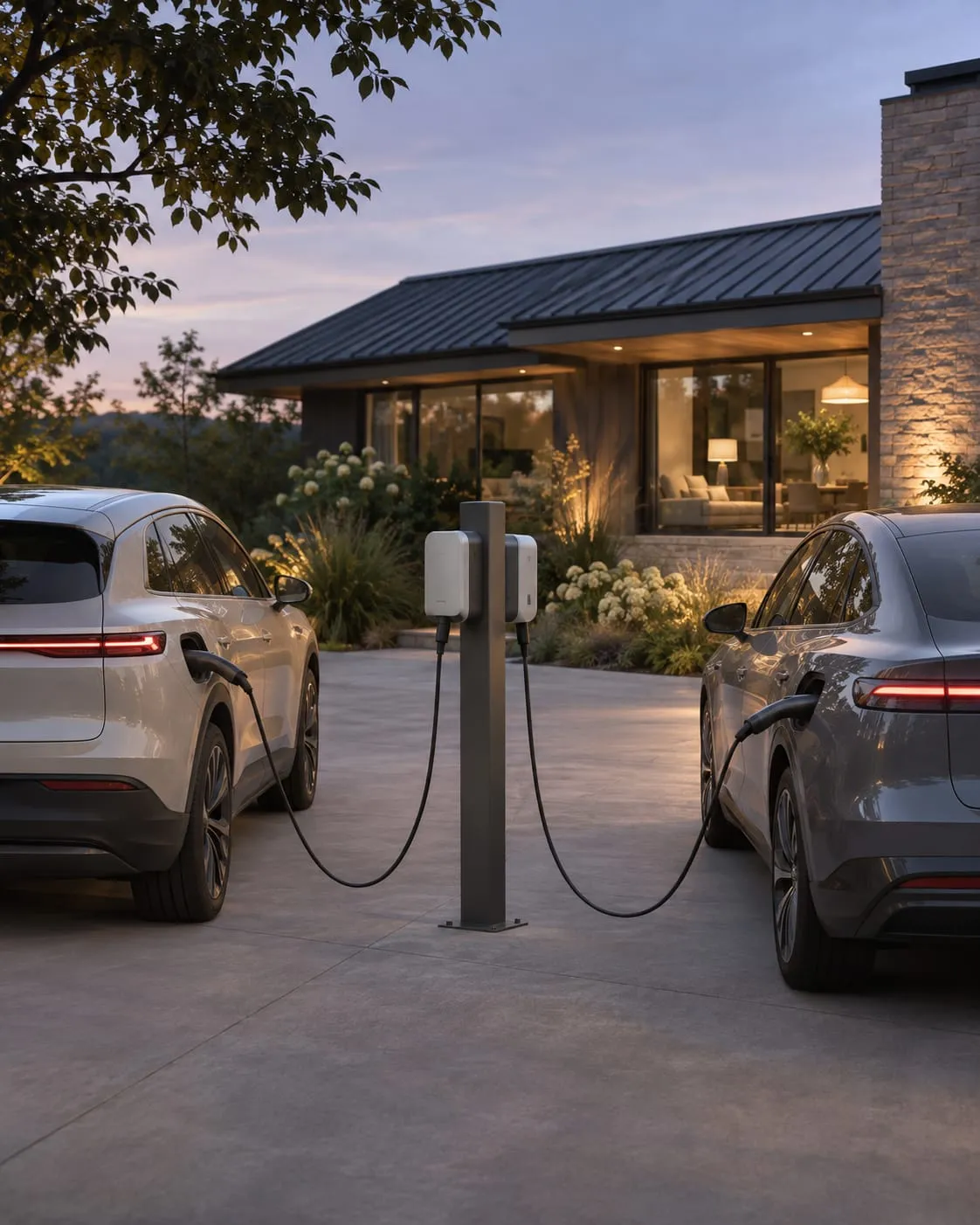 Illustrative scene
Eiffel Basic Pedestal (Dual)↗
●●● PremiumTwo Wallbox chargers, driveway
See on AmazonSpecs & who it’s for →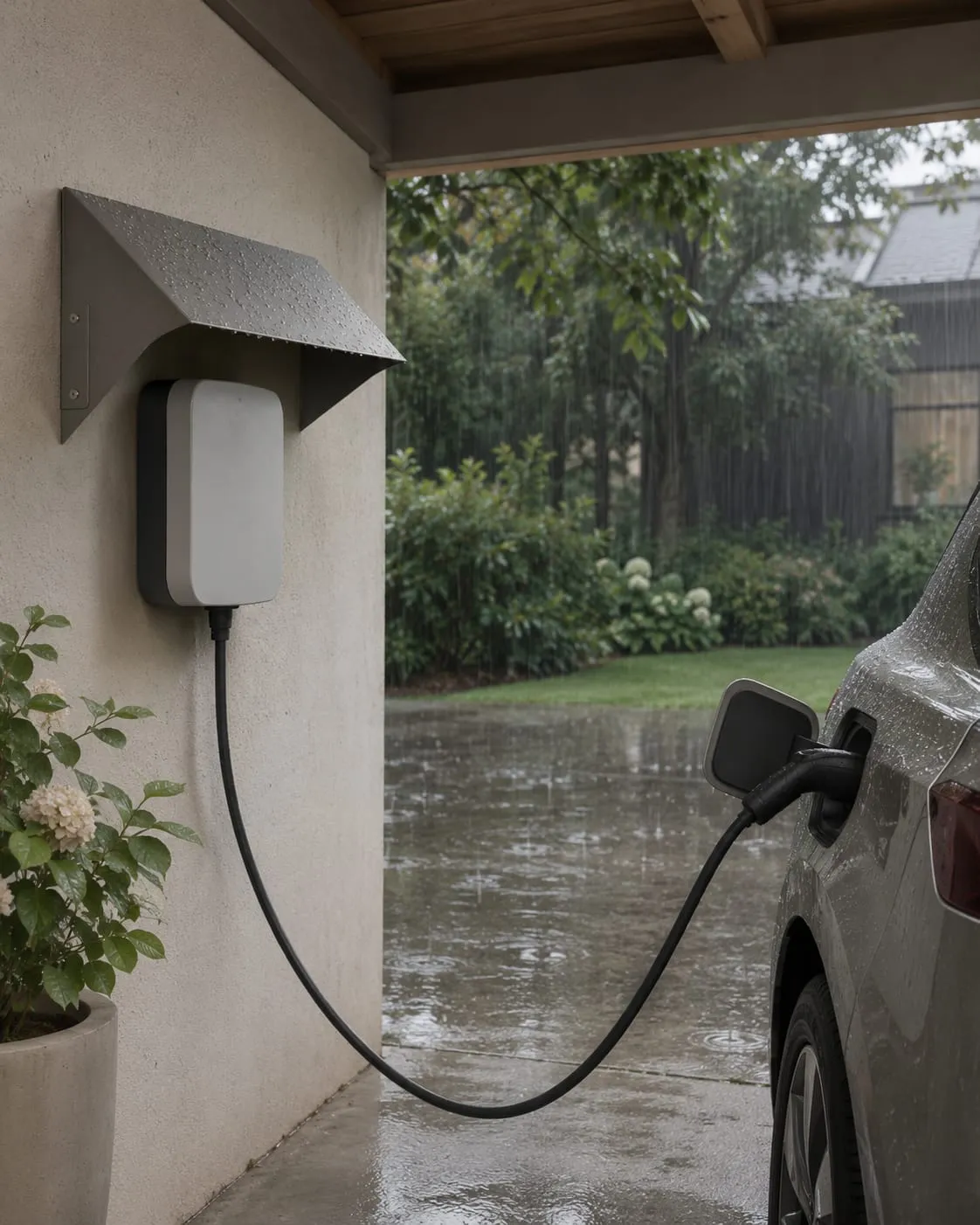 Illustrative scene
Rain Cover for Pulsar / Eiffel Basic↗
●●○ Mid-rangeOutdoor Wallbox Pulsar install
See on AmazonSpecs & who it’s for →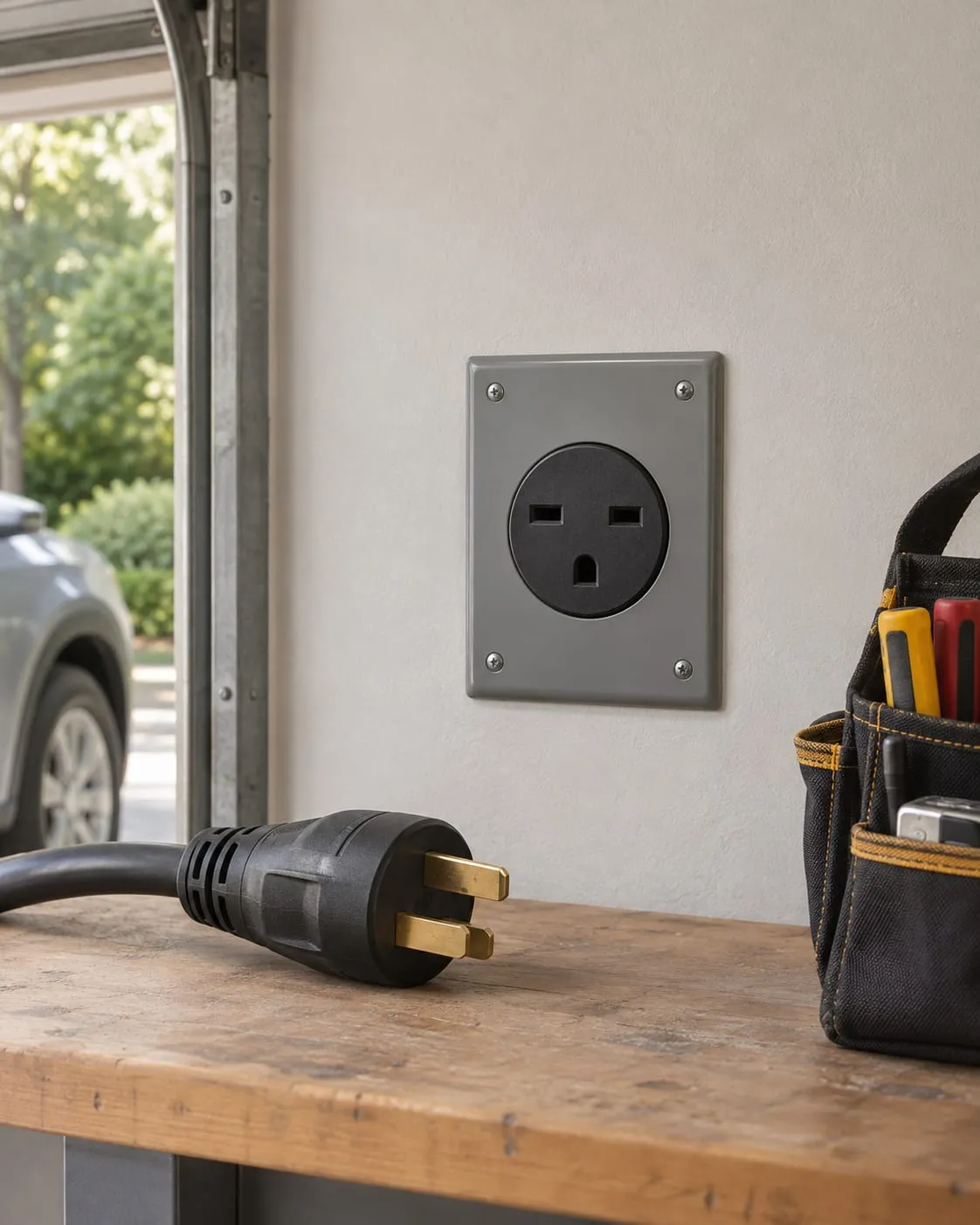 Illustrative scene
HBL9450A 14-50R Receptacle↗
●●○ Mid-rangePlug-in charger on NEMA 14-50
See on AmazonSpecs & who it’s for →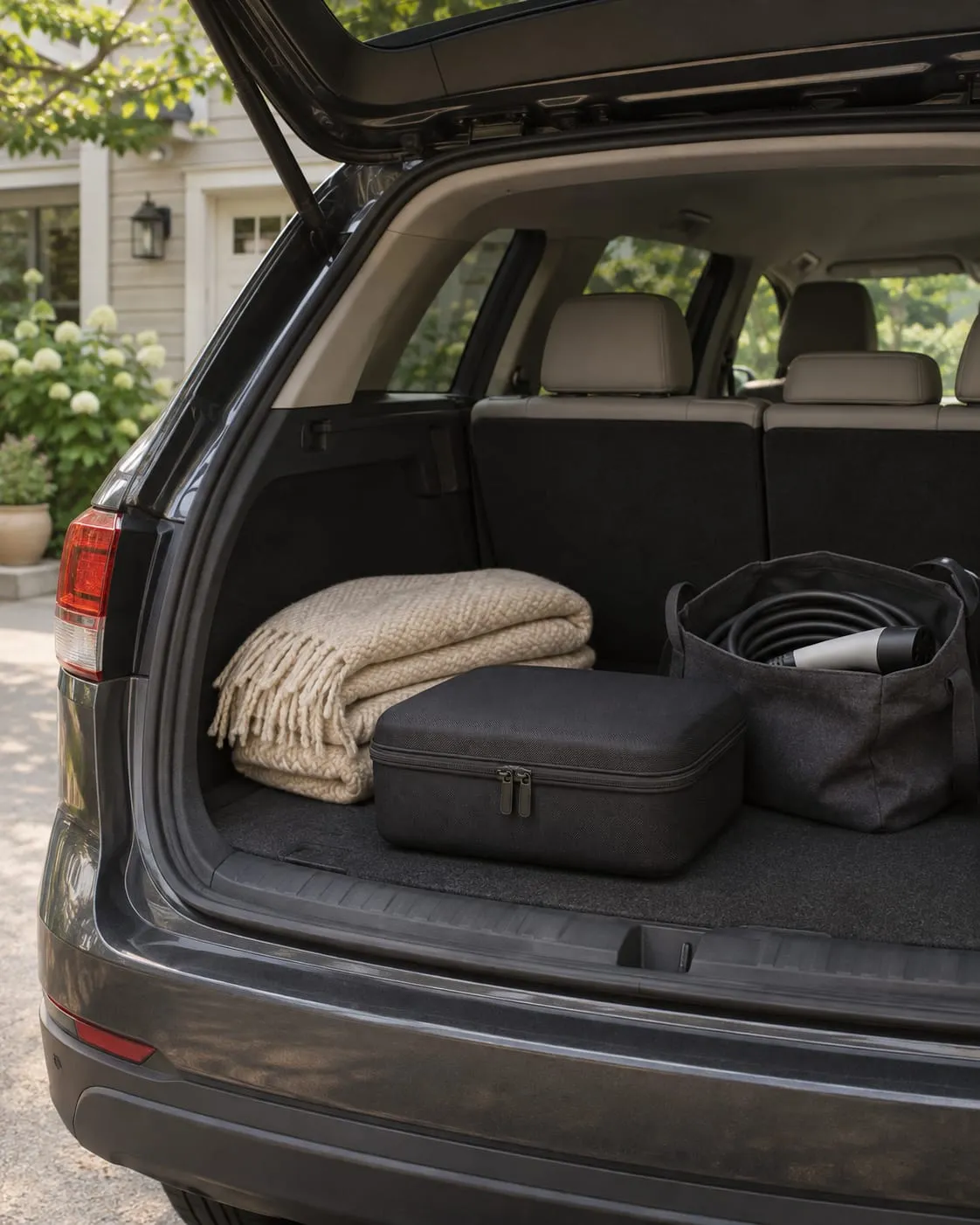 Illustrative scene
Protective Case for EV Adapters↗
●○○ BudgetKeeping an adapter in the car
See on AmazonSpecs & who it’s for →Affiliate links: we may earn a commission at no cost to you. Prices aren’t listed — the retailer shows the current one. Disclosure
Related guides
Get the home-charging checklist
What to ask your electrician, which amps your car can really use, and new charger comparisons when they launch. No spam, unsubscribe anytime.