The best UL-listed home EV chargers
This page contains affiliate links. If you buy through them we may earn a commission, at no cost to you. As an Amazon Associate, GroveVolt earns from qualifying purchases. Learn more
Quick picks
 Illustrative scene
EV48W Smart 48A↗
●●○ Mid-rangeLeviton smart-home households
See on AmazonSpecs & who it’s for → Illustrative scene
Pulsar Plus↗
●●○ Mid-rangeSmall garages, two EVs, solar add-on
See on AmazonSpecs & who it’s for → Illustrative scene
NEXUS Level 2↗
●○○ BudgetBudget wall unit, plug-in or hardwired
See on AmazonSpecs & who it’s for →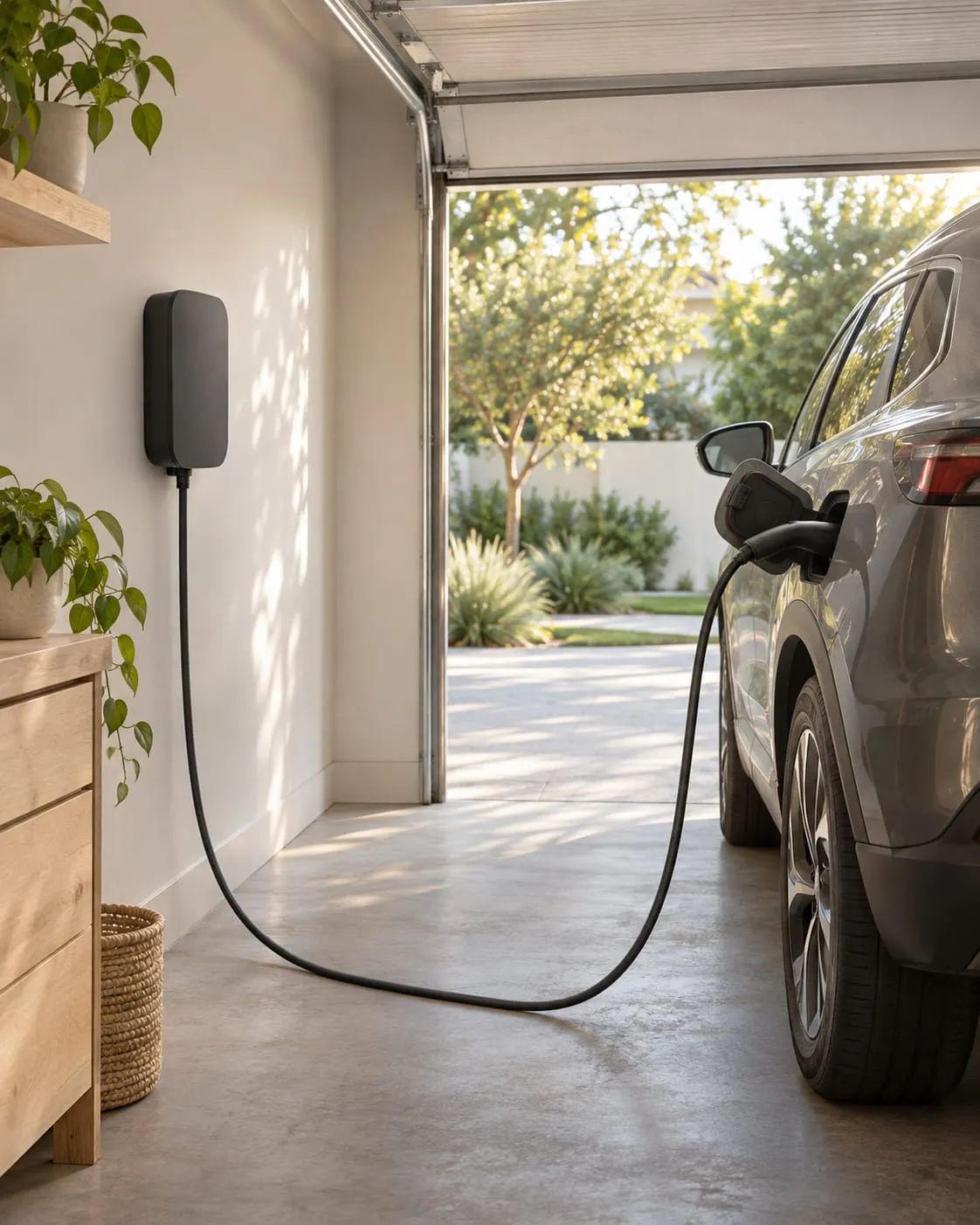 Illustrative scene
Home Flex↗
●●● PremiumOne flexible charger for any install
See on AmazonSpecs & who it’s for →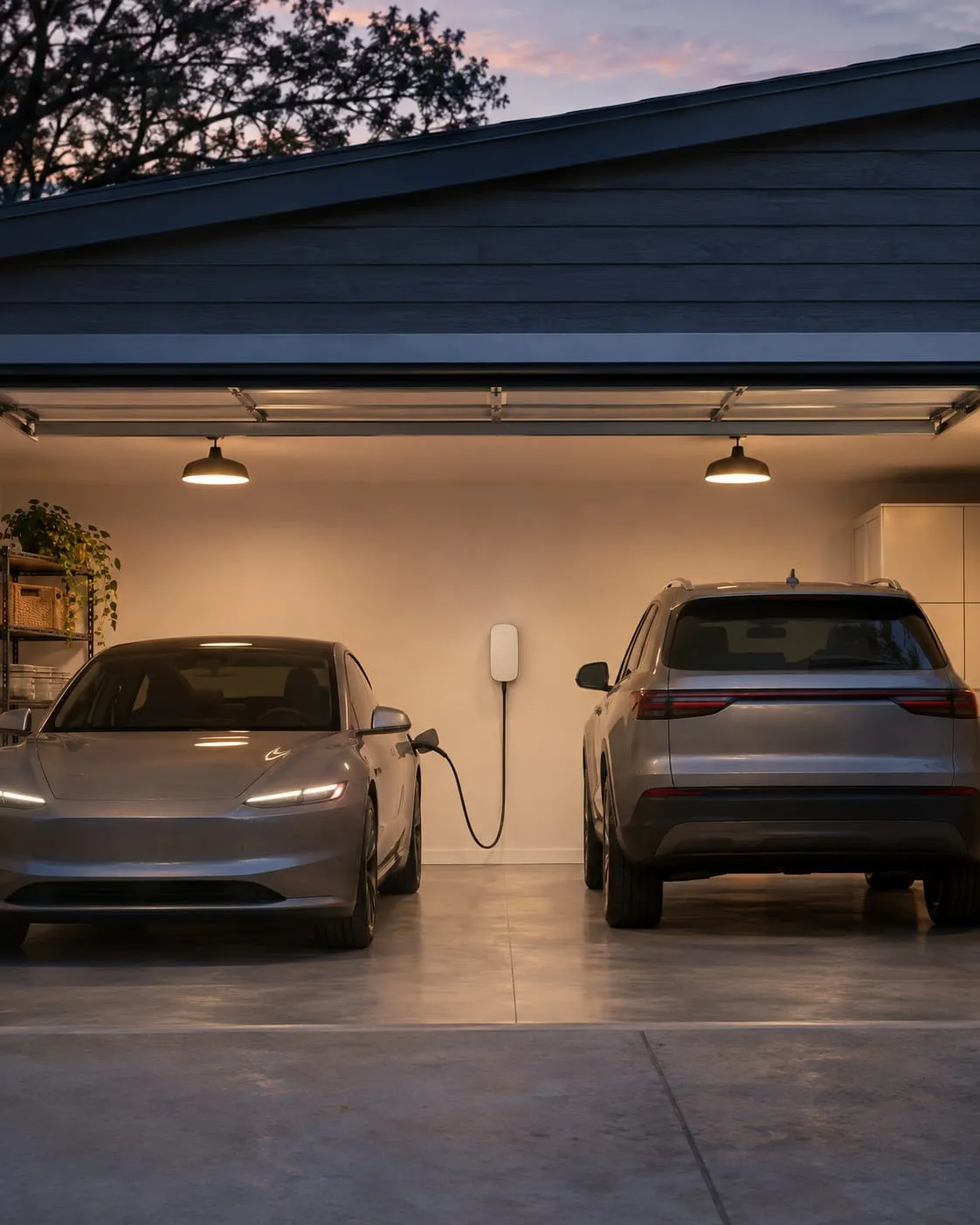 Illustrative scene
Universal Wall Connector↗
●●○ Mid-rangeMixed Tesla and non-Tesla garages
See on AmazonSpecs & who it’s for →The short answer
Buy a charger that carries a listing from a Nationally Recognized Testing Laboratory (UL, ETL or cUL), ideally to UL 2594 for the charger and UL 2231 for its shock protection. The Leviton EV48W, Wallbox Pulsar Plus and Lectron NEXUS state UL 2594 / 2231 listings; ChargePoint Home Flex and the Tesla Universal Wall Connector state UL / cUL and ETL / cETL listings.
Illustrative sceneEV48W Smart 48A
A hardwired 48 A (11.6 kW) J1772 charger from Leviton with Wi-Fi control in the My Leviton app and an 18 ft cable.
Specs side by side
| Model | Tier | Max current | Max power | Adjustable range | Connector |
|---|---|---|---|---|---|
| EV48W Smart 48A Leviton | Mid-range | 48 A | 11.6 kW | Not stated by maker | J1772 |
| Pulsar Plus Wallbox | Mid-range | 48 A | 11.5 kW | 6 A to rated current (software) | J1772 or NACS versions |
| NEXUS Level 2 Lectron | Budget | 48 A | 11.5 kW | Not stated by maker | J1772 or NACS versions |
| Home Flex ChargePoint | Premium | 50 A | 12 kW | 16–50 A (plug-in models 32 or 40 A) | J1772 or NACS versions |
| Universal Wall Connector Tesla | Mid-range | 48 A | 11.5 kW | 12–48 A (set at install) | NACS with integrated J1772 adapter |
Specs from manufacturer pages and manuals. Prices change often, so we don’t list them. Compare these in full.
What the listing letters mean
UL, ETL (Intertek) and cUL / cETL (the Canadian marks) are Nationally Recognized Testing Laboratories, a status OSHA grants. A lab “lists” a charger after checking it against a published safety standard. Two standards matter for home EV chargers:
- UL 2594 covers electric vehicle supply equipment, which is the charger itself.
- UL 2231 covers the protection that cuts power if current leaks, such as a built-in ground-fault device.
A charger with a lab mark and a standard on its nameplate is easy for an inspector to approve. An unlisted, no-name unit may not be, and it may cause trouble with insurance or utility programs.
How to choose
- Look for the lab and the standard on the datasheet, not just the word “certified”.
- Match the listing to the whole charger, not only the cord or the plug.
- Check the connector and amps against your car and your circuit.
- Have a licensed electrician install the circuit and pull a permit where required. Inspectors often ask for the listing at inspection.
Listing as stated by each maker
| Charger | Listing text in the maker’s materials | Install |
|---|---|---|
| Leviton EV48W | UL 2594, UL 2231-1/-2, UL 2251; cETLus | Hardwired |
| Wallbox Pulsar Plus | UL 2594 / UL 2231 | Plug-in (40 A) or hardwired |
| Lectron NEXUS | ETL listed to UL 2594 / 2231 | Plug-in (40 A) or hardwired |
| ChargePoint Home Flex | UL / cUL listed | Plug-in or hardwired |
| Tesla Universal Wall Connector | ETL / cETL listed | Hardwired |
This table copies what each maker states. It is not an independent check; confirm the label on the unit you receive.
Which pick for which owner
- Leviton EV48W: 48 A hardwired with the most standards named, plus Wi-Fi and OCPP 1.6.
- Wallbox Pulsar Plus: compact, with listing to both UL 2594 and UL 2231.
- Lectron NEXUS: simple ETL-listed unit, plug-in at 40 A or hardwired at 48 A.
- ChargePoint Home Flex: up to 50 A with J1772 or NACS versions.
- Tesla Universal Wall Connector: NACS with a built-in J1772 adapter, ETL / cETL listed.
Not sure? Take the 5-question quiz
FAQ
Is ETL as good as UL?
Both UL and Intertek (ETL) are Nationally Recognized Testing Laboratories recognized by OSHA. A charger listed by either has been evaluated to published standards. Your local inspector decides what they accept.
What is the difference between listed and certified?
Makers use both words. For a home charger, look for the lab name (UL, ETL, cUL, cETL) and the standard, such as UL 2594, on the nameplate or datasheet. If the maker only says safe or compliant, ask for the listing.
Can an unlisted charger still be installed?
Many inspectors and utilities expect listed equipment, and some insurers do too. Ask your electrician and your local code office before you buy.
Sources
- Leviton EV48W product page
- Wallbox Pulsar Plus (US) product page
- Lectron NEXUS product page
- ChargePoint Home Flex datasheet (PDF)
- Tesla Universal Wall Connector (Tesla shop)
This guide is compiled from manufacturer specifications, not hands-on testing. See how we research.
More chargers to compare
Other models we cover, swipe or use the arrows.
 Illustrative scene
Pro EV Charger↗
●●● PremiumSolar homes and tight electrical panels
See on AmazonSpecs & who it’s for → Illustrative scene
Level 2 Charger 48A↗
●○○ BudgetLow-cost hardwired smart charging
See on AmazonSpecs & who it’s for →
 Illustrative scene
Mobile Connector (NACS)↗
●○○ BudgetTesla owners needing a travel cord
See on AmazonSpecs & who it’s for → Illustrative scene
Classic Connect 40A↗
●●○ Mid-rangeRugged outdoor install with an app
See on AmazonSpecs & who it’s for → Illustrative scene
Mini Connect (portable)↗
●●○ Mid-rangeRenters and road trips
See on AmazonSpecs & who it’s for →
 Illustrative scene
MaxiCharger AC Elite Home↗
●●○ Mid-rangeMax power in very cold or hot climates
See on AmazonSpecs & who it’s for → Illustrative scene
Classic EV Charger↗
●●○ Mid-rangeSmart charging without paying for Pro
See on AmazonSpecs & who it’s for → Illustrative scene
Ultimate 48A↗
●●○ Mid-rangeHardwired 48 A in harsh weather
See on AmazonSpecs & who it’s for → Illustrative scene
Home 50↗
●●○ Mid-rangeHardwired 50 A with dual-band Wi-Fi
See on AmazonSpecs & who it’s for →
 Illustrative scene
Ultimate 80A↗
●●● PremiumBig batteries, big electrical service
See on AmazonSpecs & who it’s for →
Affiliate links: we may earn a commission at no cost to you. Prices aren’t listed — the retailer shows the current one. Disclosure
Charging accessories
Adapters, cable holders, pedestals and covers.
 Illustrative scene
NACS to J1772 Adapter 80A↗
●●○ Mid-rangeJ1772 car, Tesla-style home charger
See on AmazonSpecs & who it’s for → Illustrative scene
J1772 to NACS Adapter 80A↗
●●○ Mid-rangeTesla or NACS car, J1772 charger
See on AmazonSpecs & who it’s for →
 Illustrative scene
J1772 Dock + J-Hook↗
●○○ BudgetTidy garage with J1772 charger
See on AmazonSpecs & who it’s for → Illustrative scene
NACS Dock + J-Hook↗
●○○ BudgetTesla Mobile or Wall Connector
See on AmazonSpecs & who it’s for → Illustrative scene
Eiffel Basic Pedestal (Mono)↗
●●● PremiumWallbox Pulsar charger, no wall
See on AmazonSpecs & who it’s for →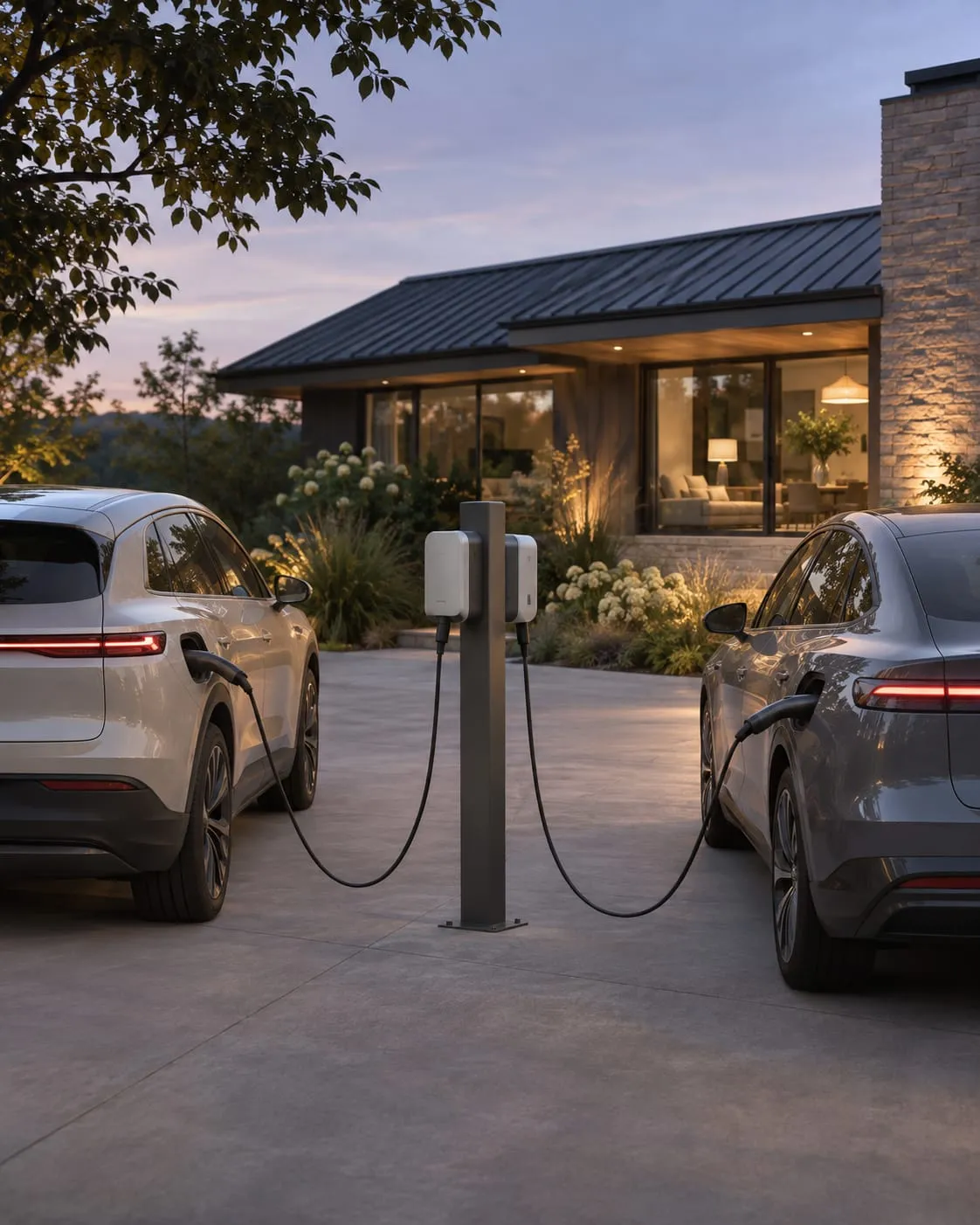 Illustrative scene
Eiffel Basic Pedestal (Dual)↗
●●● PremiumTwo Wallbox chargers, driveway
See on AmazonSpecs & who it’s for →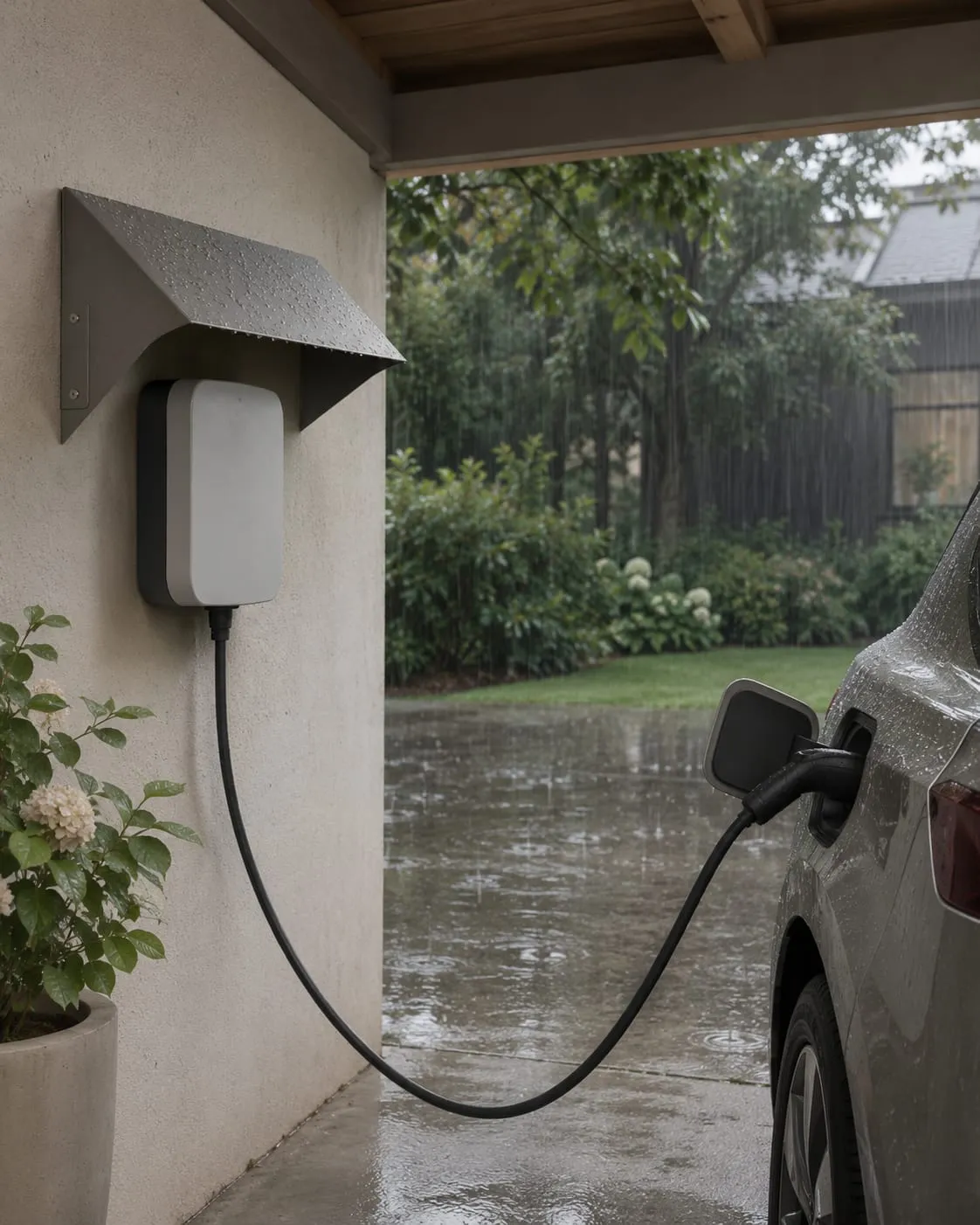 Illustrative scene
Rain Cover for Pulsar / Eiffel Basic↗
●●○ Mid-rangeOutdoor Wallbox Pulsar install
See on AmazonSpecs & who it’s for →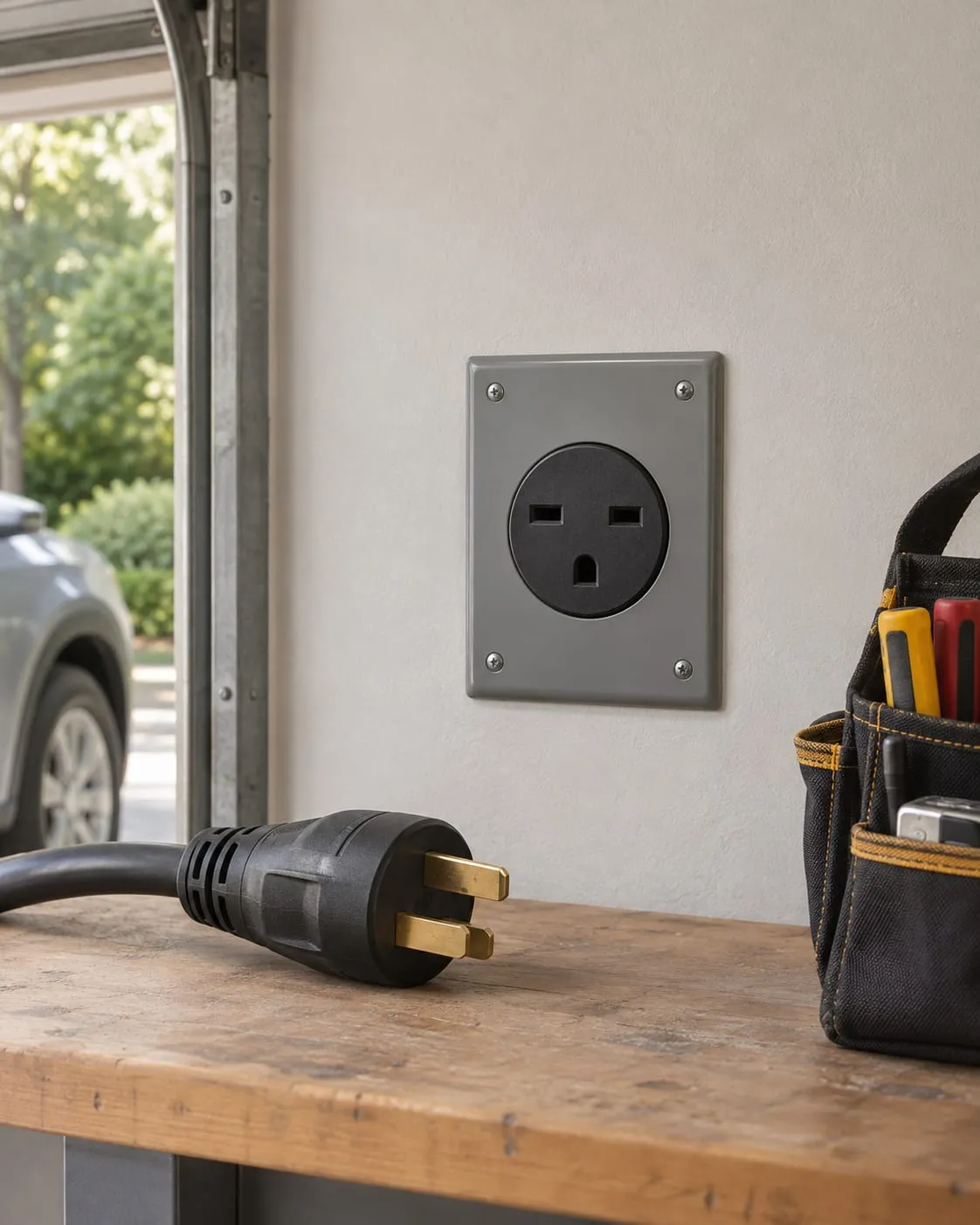 Illustrative scene
HBL9450A 14-50R Receptacle↗
●●○ Mid-rangePlug-in charger on NEMA 14-50
See on AmazonSpecs & who it’s for → Illustrative scene
Protective Case for EV Adapters↗
●○○ BudgetKeeping an adapter in the car
See on AmazonSpecs & who it’s for →Affiliate links: we may earn a commission at no cost to you. Prices aren’t listed — the retailer shows the current one. Disclosure
Get the home-charging checklist
What to ask your electrician, which amps your car can really use, and new charger comparisons when they launch. No spam, unsubscribe anytime.