The best home EV chargers for the Hyundai Ioniq 5
This page contains affiliate links. If you buy through them we may earn a commission, at no cost to you. As an Amazon Associate, GroveVolt earns from qualifying purchases. Learn more
Quick picks
 Illustrative scene
Universal Wall Connector↗
●●○ Mid-rangeMixed Tesla and non-Tesla garages
See on AmazonSpecs & who it’s for →
 Illustrative scene
Pro EV Charger↗
●●● PremiumSolar homes and tight electrical panels
See on AmazonSpecs & who it’s for →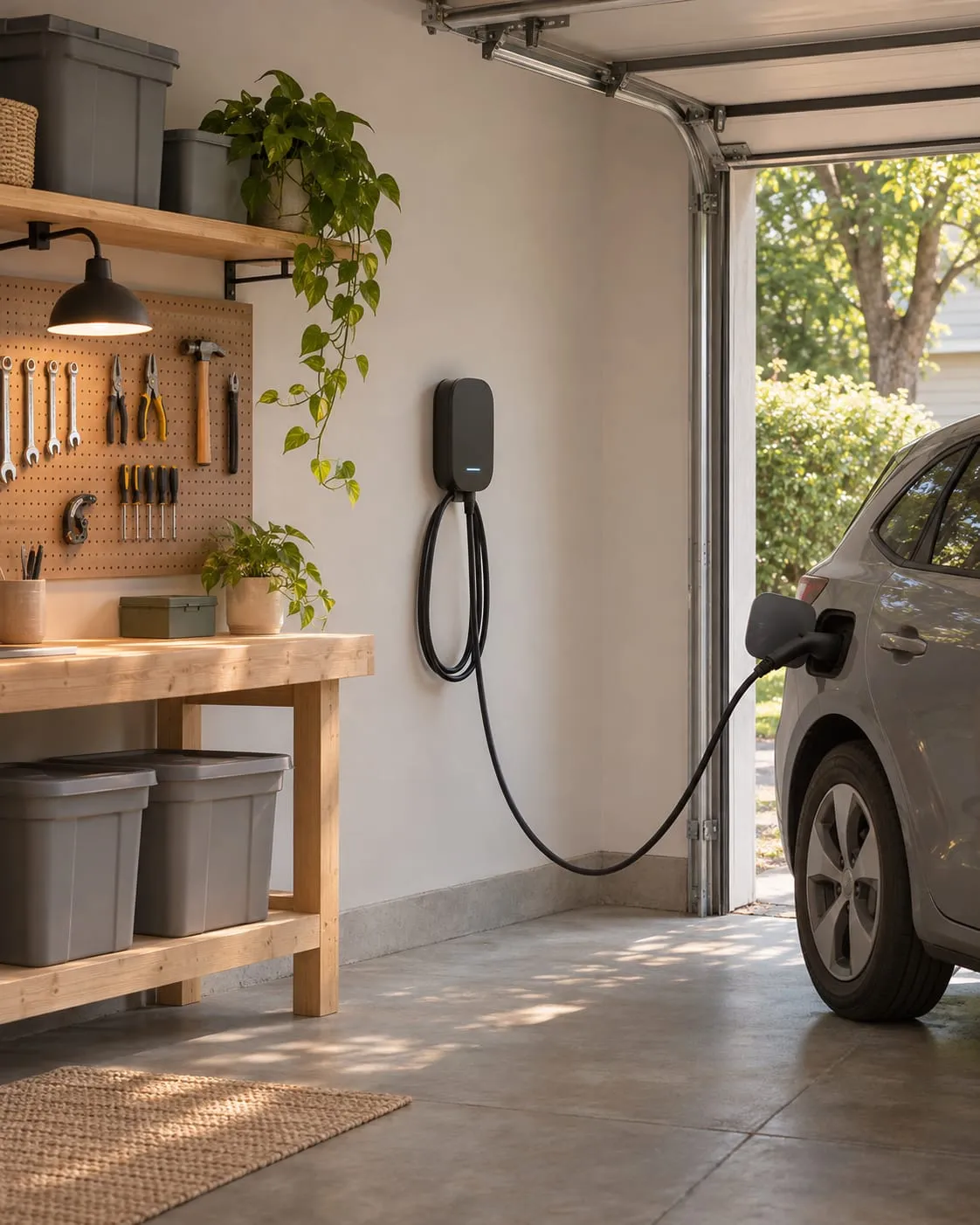 Illustrative scene
NEXUS Level 2↗
●○○ BudgetBudget wall unit, plug-in or hardwired
See on AmazonSpecs & who it’s for →The short answer
The Ioniq 5 accepts up to 10.9 kW on AC — about 45 amps — and from model year 2025 it has a NACS port. A NACS-plug charger connects directly; the adapter Hyundai includes is for DC fast charging, not home charging.
Illustrative sceneUniversal Wall Connector
A 48 A hardwired charger with a NACS handle and an integrated J1772 adapter, so one unit charges both Tesla and non-Tesla EVs.
Specs side by side
| Model | Tier | Max current | Max power | Adjustable range | Connector |
|---|---|---|---|---|---|
| Universal Wall Connector Tesla | Mid-range | 48 A | 11.5 kW | 12–48 A (set at install) | NACS with integrated J1772 adapter |
| Wall Connector (NACS) Tesla | Mid-range | 48 A | 11.5 kW | 12–48 A (set at install) | NACS |
| Pro EV Charger Emporia | Premium | 48 A | 11.5 kW | Not stated by maker | J1772 or NACS versions |
| NEXUS Level 2 Lectron | Budget | 48 A | 11.5 kW | Not stated by maker | J1772 or NACS versions |
Specs from manufacturer pages and manuals. Prices change often, so we don’t list them. Compare these in full.
How to choose for an Ioniq 5
- Confirm your model year and port. 2025+ Ioniq 5s have NACS; the buttons on this page open NACS versions where one exists.
- Pick 40 A plug-in or 48 A hardwired. The car can use about 45 A.
- Think about your next car. The Tesla Universal Wall Connector also charges J1772 cars through its built-in adapter.
- Have a licensed electrician install it.
Which pick for which owner
- Tesla Universal Wall Connector: NACS plus built-in J1772 adapter, 48 A hardwired.
- Tesla Wall Connector: NACS only, same 48 A and power sharing.
- Emporia Pro (NACS version): solar-surplus charging.
- Lectron NEXUS (NACS version): budget pick; the linked NACS model is 40 A plug-in.
Note: Tesla’s own shop says Tesla ownership may be required to buy Wall Connectors while supplies are limited; availability through other retailers varies.
Not sure? Take the 5-question quiz
FAQ
Does the adapter that comes with the Ioniq 5 work with a home charger?
Hyundai describes the included NACS-to-CCS adapter as a DC fast-charging adapter. For a J1772 home charger you’d need a separate AC-rated adapter, so a NACS charger is simpler.
Is 48 A worth it for an Ioniq 5?
The car tops out around 45 A. A 48 A hardwired charger reaches that; a 40 A plug-in charger is about 12% slower. Hyundai quotes 10–100% in about 7 h 20 min (84 kWh) at 10.9 kW.
I have a 2024 Ioniq 5 — which plug?
Model years before 2025 used a J1772 (CCS1) port. Check your car’s charge port before ordering.
Sources
This guide is compiled from manufacturer specifications, not hands-on testing. See how we research.
More chargers to compare
Other models we cover, swipe or use the arrows.
 Illustrative scene
Home Flex↗
●●● PremiumOne flexible charger for any install
See on AmazonSpecs & who it’s for →
 Illustrative scene
Level 2 Charger 48A↗
●○○ BudgetLow-cost hardwired smart charging
See on AmazonSpecs & who it’s for →
 Illustrative scene
Mobile Connector (NACS)↗
●○○ BudgetTesla owners needing a travel cord
See on AmazonSpecs & who it’s for → Illustrative scene
Classic Connect 40A↗
●●○ Mid-rangeRugged outdoor install with an app
See on AmazonSpecs & who it’s for → Illustrative scene
Mini Connect (portable)↗
●●○ Mid-rangeRenters and road trips
See on AmazonSpecs & who it’s for → Illustrative scene
Pulsar Plus↗
●●○ Mid-rangeSmall garages, two EVs, solar add-on
See on AmazonSpecs & who it’s for → Illustrative scene
MaxiCharger AC Elite Home↗
●●○ Mid-rangeMax power in very cold or hot climates
See on AmazonSpecs & who it’s for → Illustrative scene
Classic EV Charger↗
●●○ Mid-rangeSmart charging without paying for Pro
See on AmazonSpecs & who it’s for → Illustrative scene
Ultimate 48A↗
●●○ Mid-rangeHardwired 48 A in harsh weather
See on AmazonSpecs & who it’s for → Illustrative scene
EV48W Smart 48A↗
●●○ Mid-rangeLeviton smart-home households
See on AmazonSpecs & who it’s for → Illustrative scene
Home 50↗
●●○ Mid-rangeHardwired 50 A with dual-band Wi-Fi
See on AmazonSpecs & who it’s for →
 Illustrative scene
Ultimate 80A↗
●●● PremiumBig batteries, big electrical service
See on AmazonSpecs & who it’s for →
Affiliate links: we may earn a commission at no cost to you. Prices aren’t listed — the retailer shows the current one. Disclosure
Charging accessories
Adapters, cable holders, pedestals and covers.
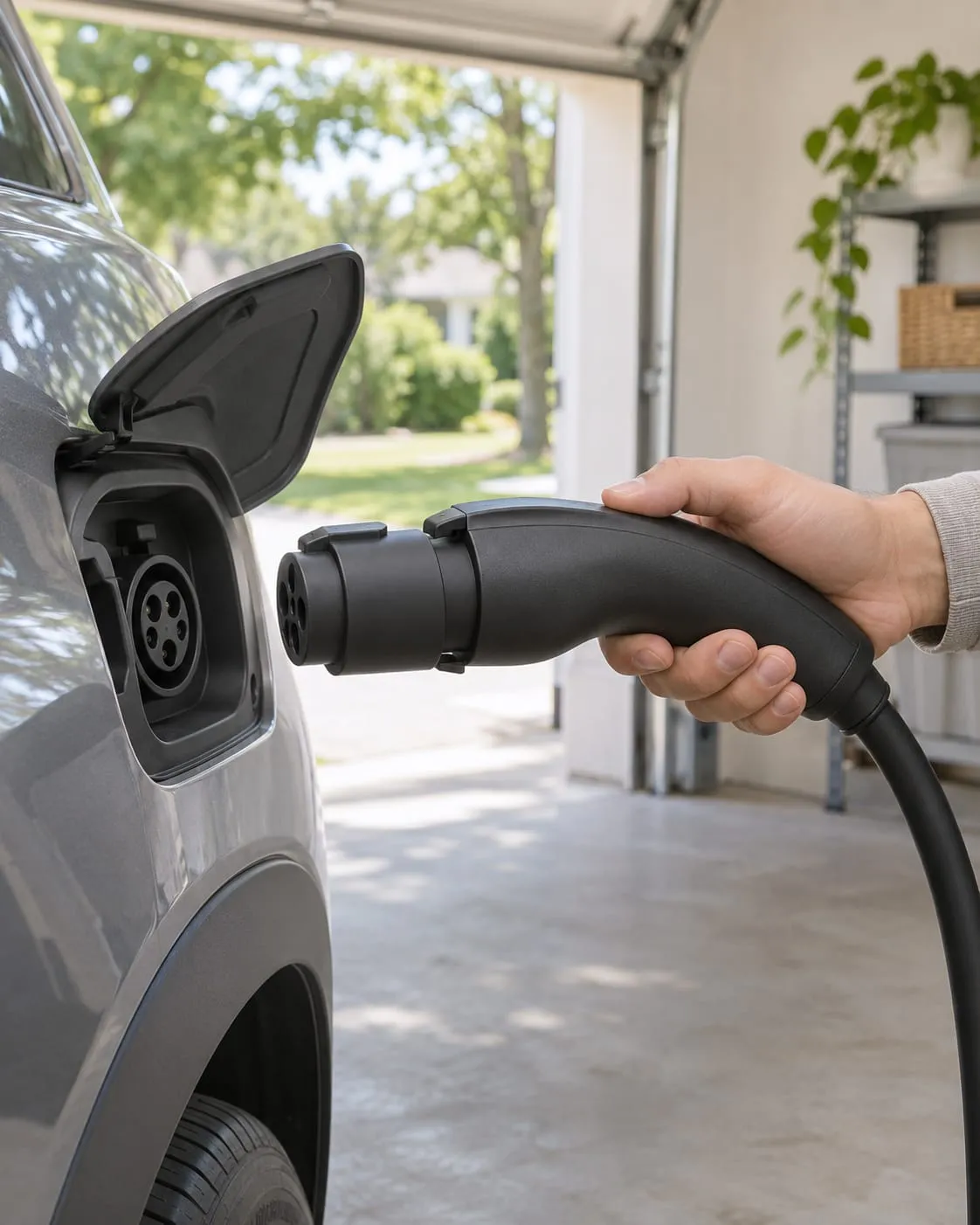 Illustrative scene
NACS to J1772 Adapter 80A↗
●●○ Mid-rangeJ1772 car, Tesla-style home charger
See on AmazonSpecs & who it’s for →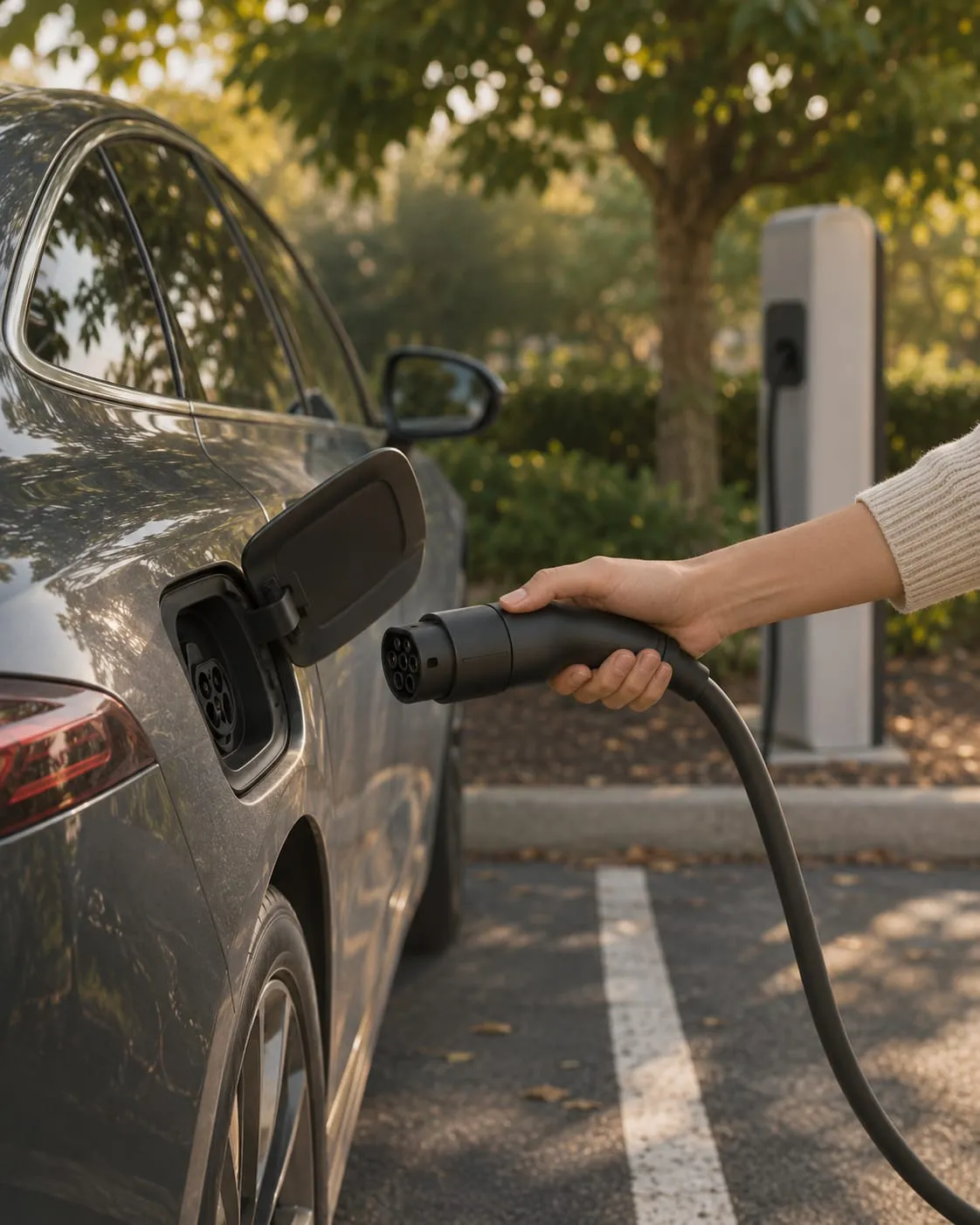 Illustrative scene
J1772 to NACS Adapter 80A↗
●●○ Mid-rangeTesla or NACS car, J1772 charger
See on AmazonSpecs & who it’s for →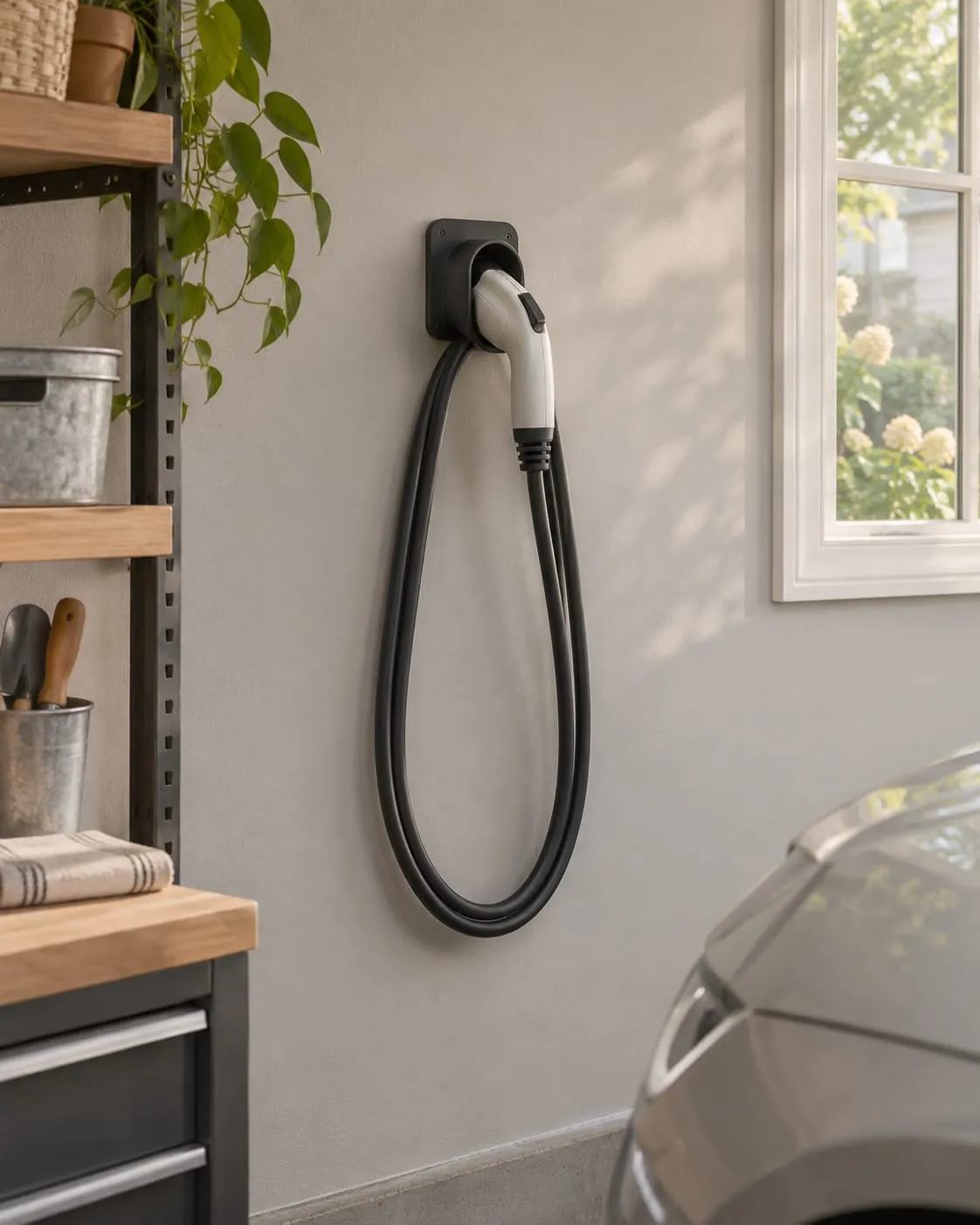
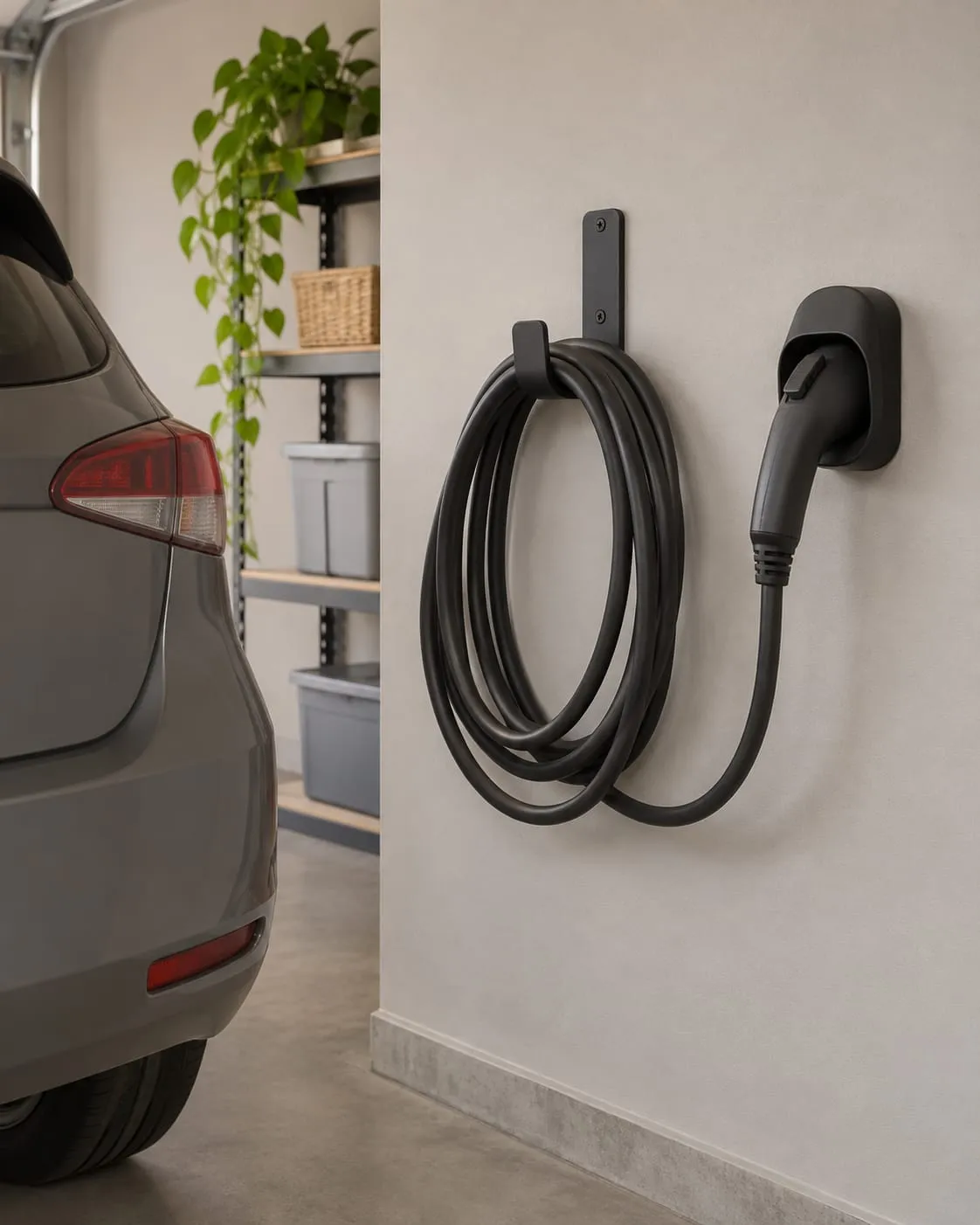 Illustrative scene
J1772 Dock + J-Hook↗
●○○ BudgetTidy garage with J1772 charger
See on AmazonSpecs & who it’s for →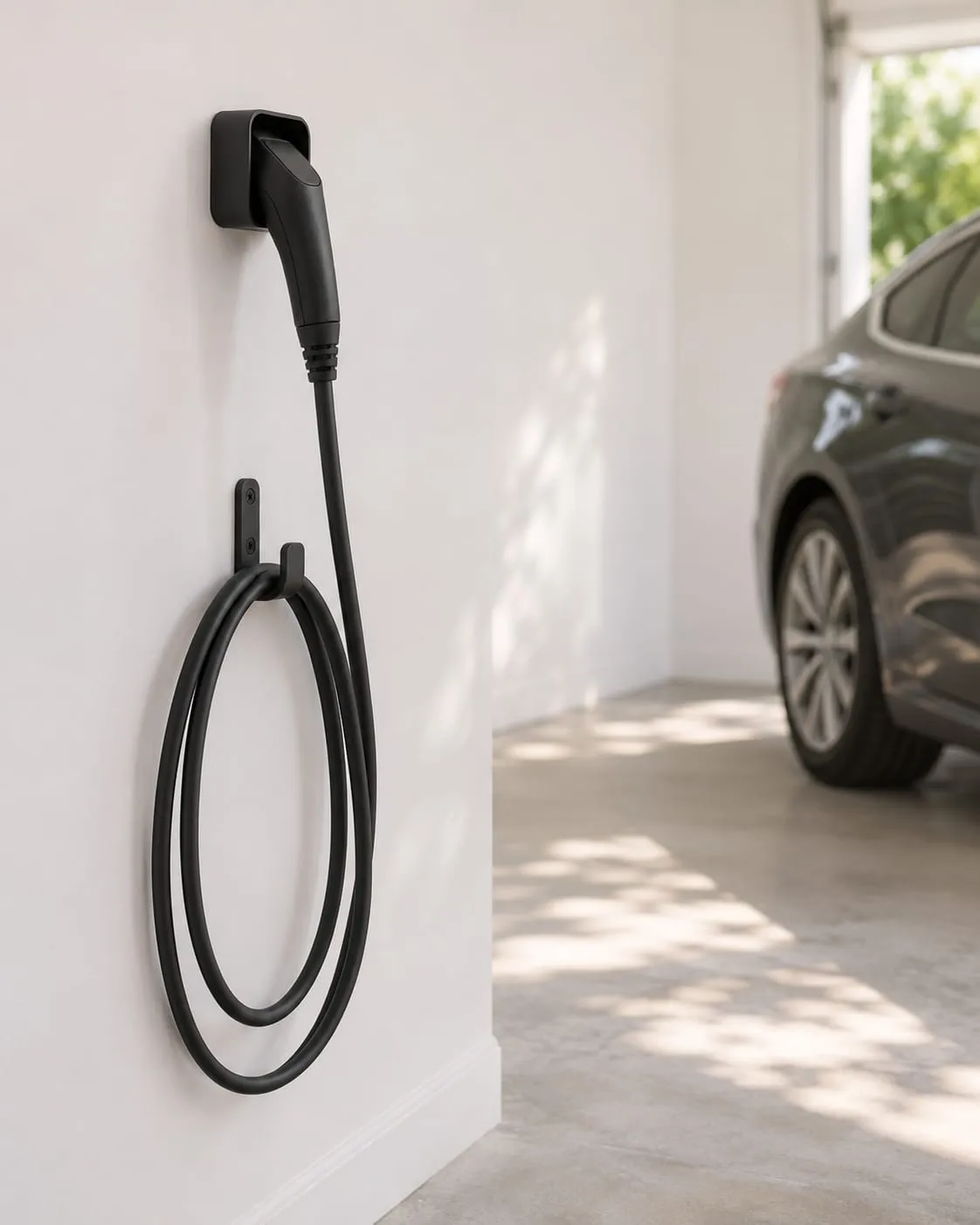 Illustrative scene
NACS Dock + J-Hook↗
●○○ BudgetTesla Mobile or Wall Connector
See on AmazonSpecs & who it’s for →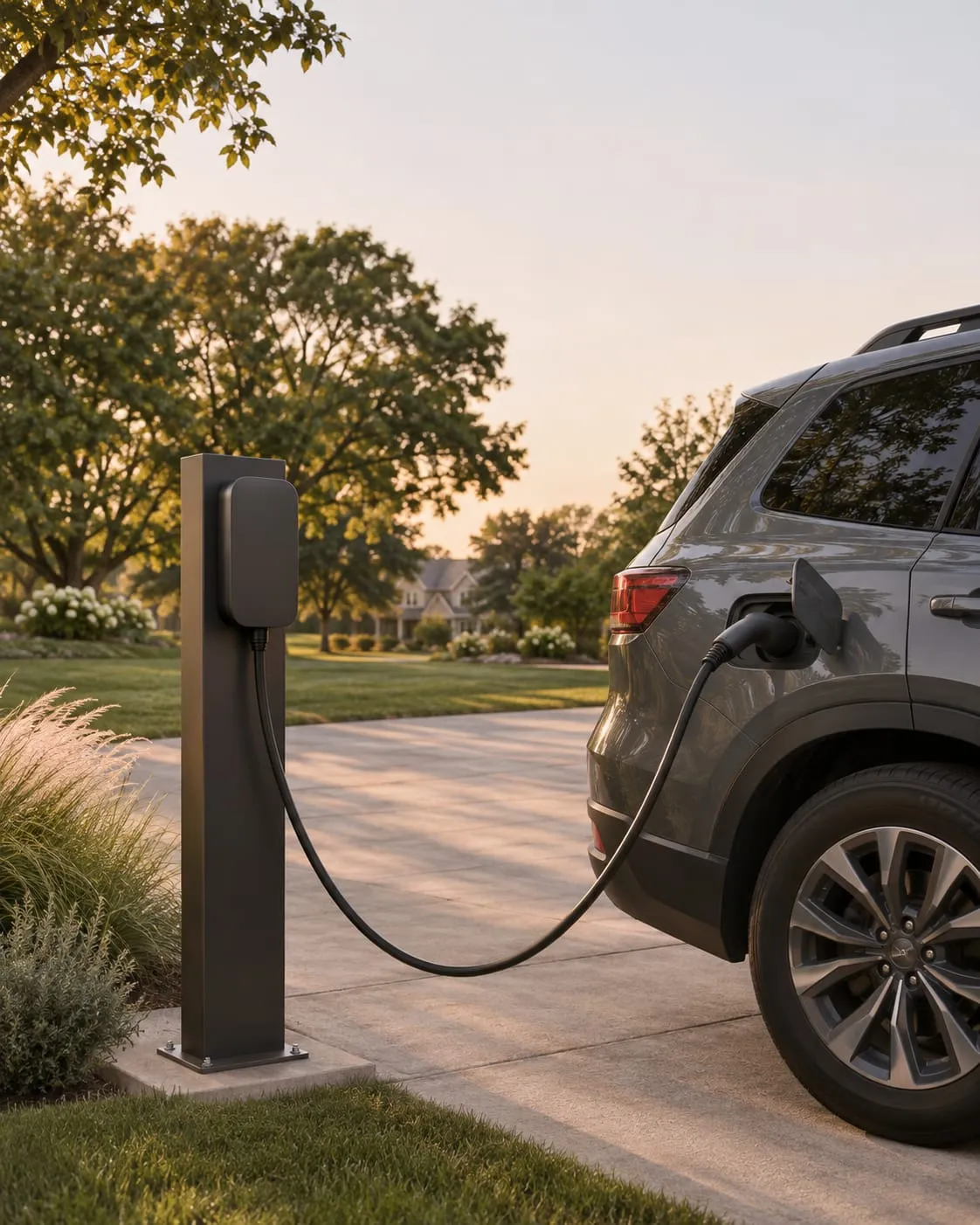 Illustrative scene
Eiffel Basic Pedestal (Mono)↗
●●● PremiumWallbox Pulsar charger, no wall
See on AmazonSpecs & who it’s for →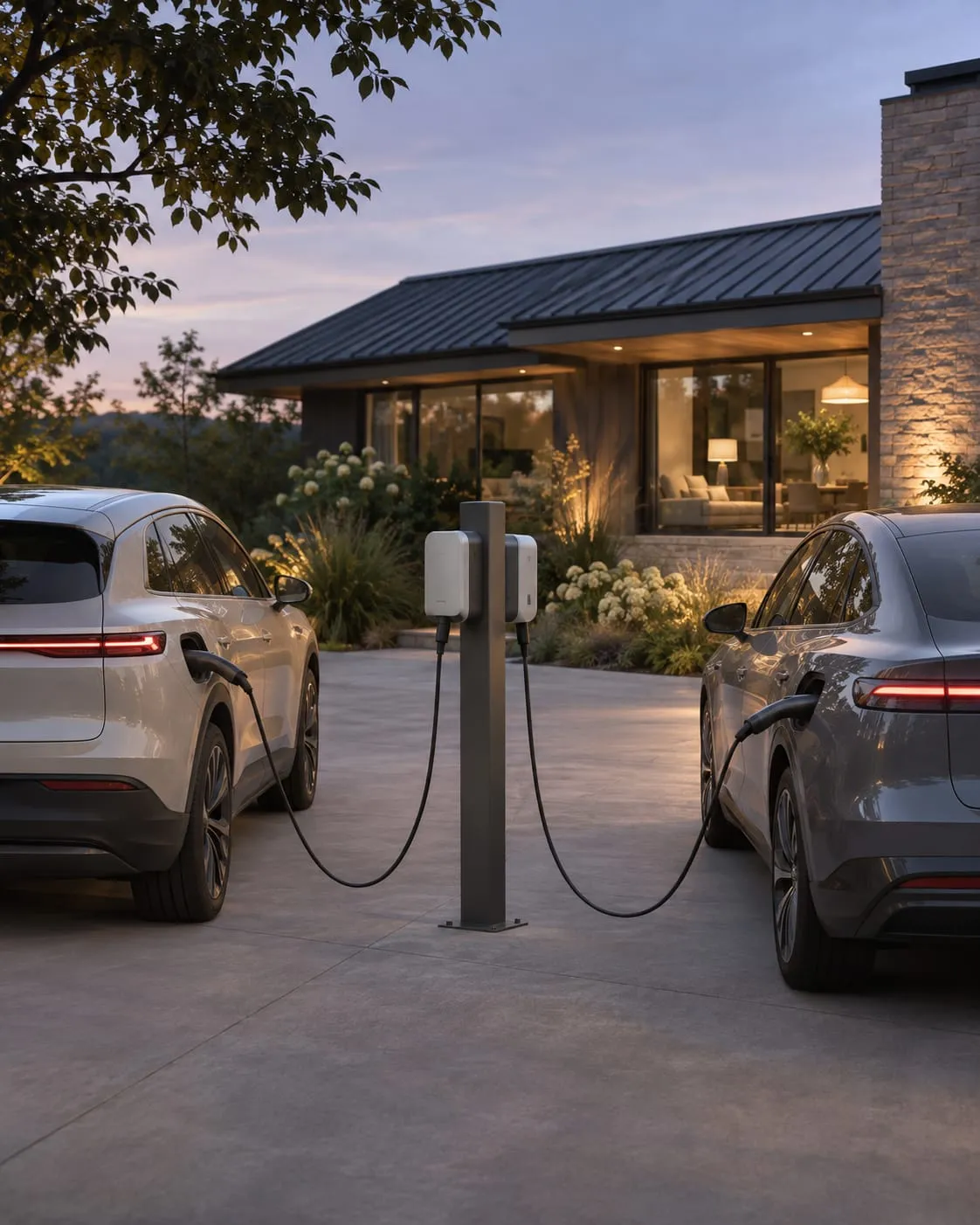 Illustrative scene
Eiffel Basic Pedestal (Dual)↗
●●● PremiumTwo Wallbox chargers, driveway
See on AmazonSpecs & who it’s for →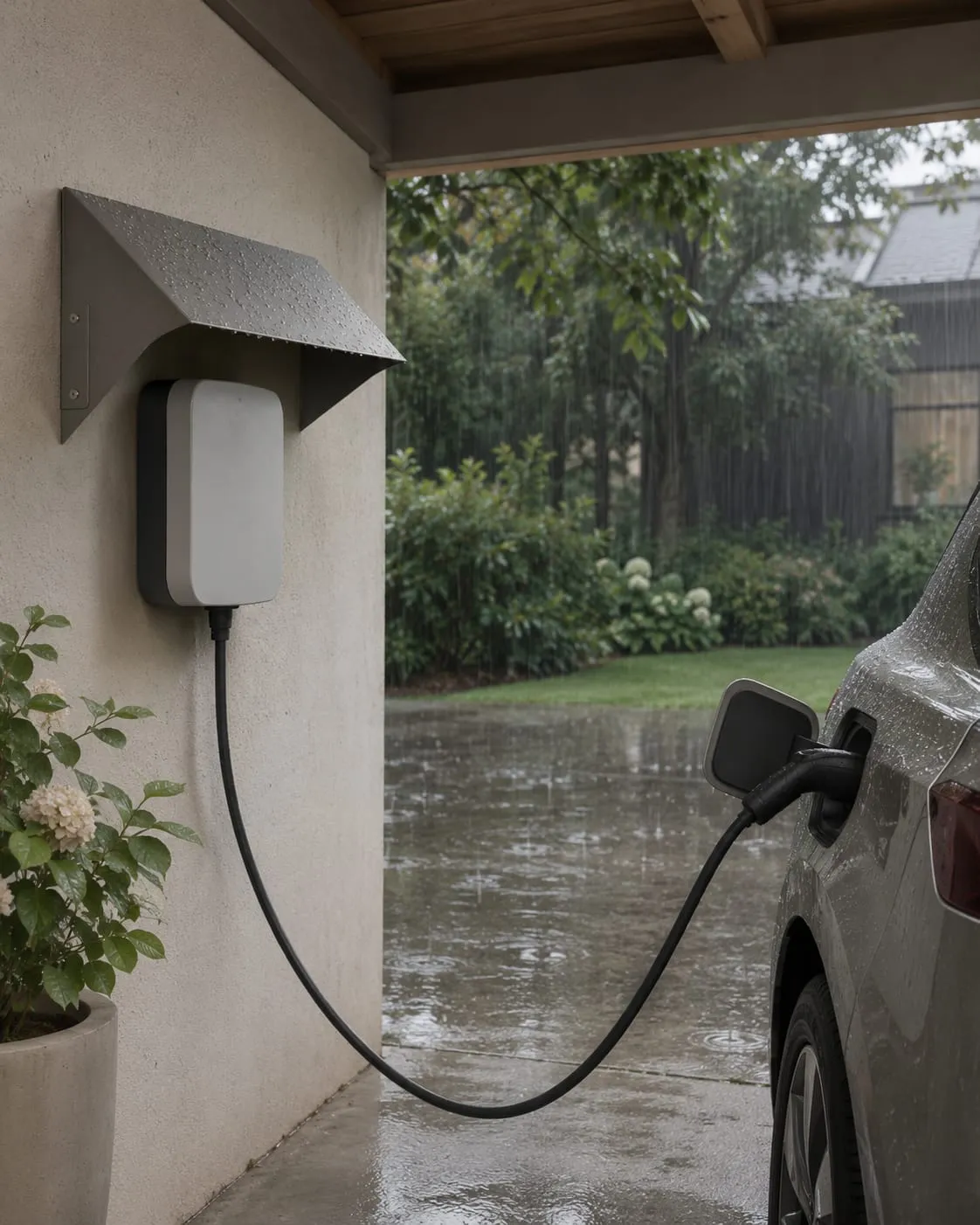 Illustrative scene
Rain Cover for Pulsar / Eiffel Basic↗
●●○ Mid-rangeOutdoor Wallbox Pulsar install
See on AmazonSpecs & who it’s for →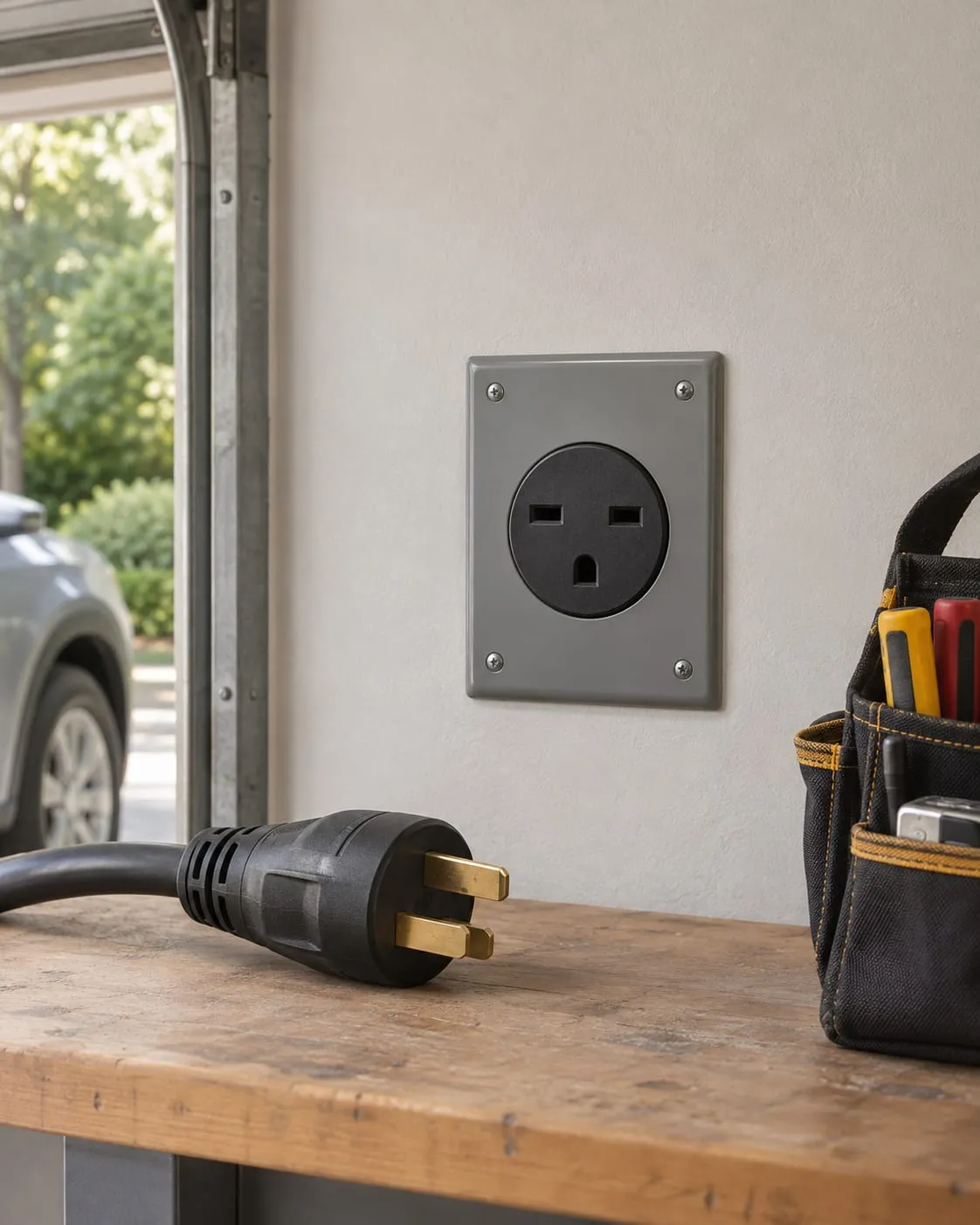 Illustrative scene
HBL9450A 14-50R Receptacle↗
●●○ Mid-rangePlug-in charger on NEMA 14-50
See on AmazonSpecs & who it’s for → Illustrative scene
Protective Case for EV Adapters↗
●○○ BudgetKeeping an adapter in the car
See on AmazonSpecs & who it’s for →Affiliate links: we may earn a commission at no cost to you. Prices aren’t listed — the retailer shows the current one. Disclosure
Related guides
The best home EV chargers for the Kia EV9
The 2026 EV9 has a NACS port and a 10.9 kW onboard charger. Home chargers with a NACS plug matched to it, from maker specs.
The best home EV chargers with an app
Smart Level 2 chargers compared on what their apps actually do — scheduling, energy tracking, load sharing, solar — and how they connect.
Get the home-charging checklist
What to ask your electrician, which amps your car can really use, and new charger comparisons when they launch. No spam, unsubscribe anytime.